Aurangzeb sees $42bn remittances, says economy shifts towards sustainable growth
Finance Minister Muhammad Aurangzeb projects record remittances of $41–42bn and FX reserves near $18.4bn, citing a stronger economy, reforms, and plans to expand bank lending.

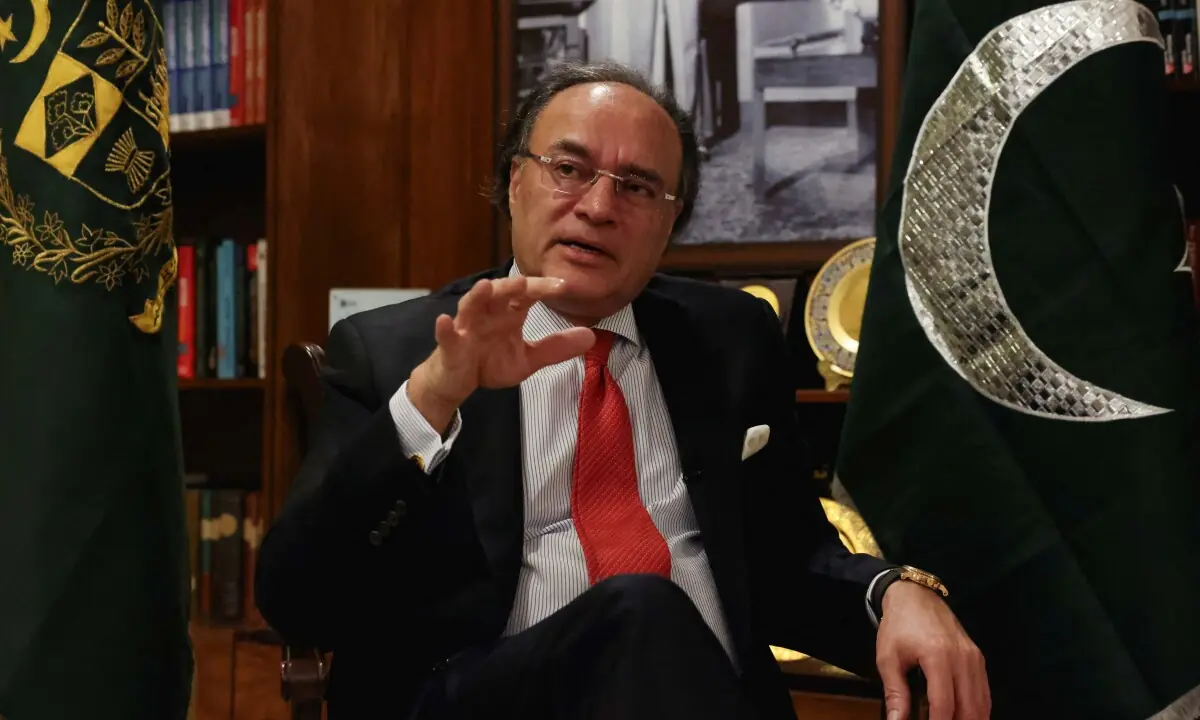
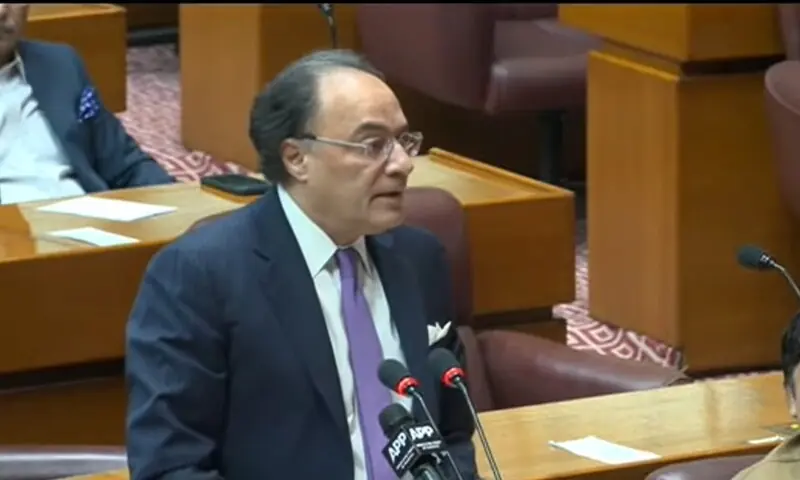
KARACHI: Finance Minister Senator Muhammad Aurangzeb on Tuesday said Pakistan's economy had ended the last fiscal year on a strong footing, expressing confidence that workers' remittances would reach a record $41-42 billion, while foreign exchange reserves were expected to close at around $18.4 billion.
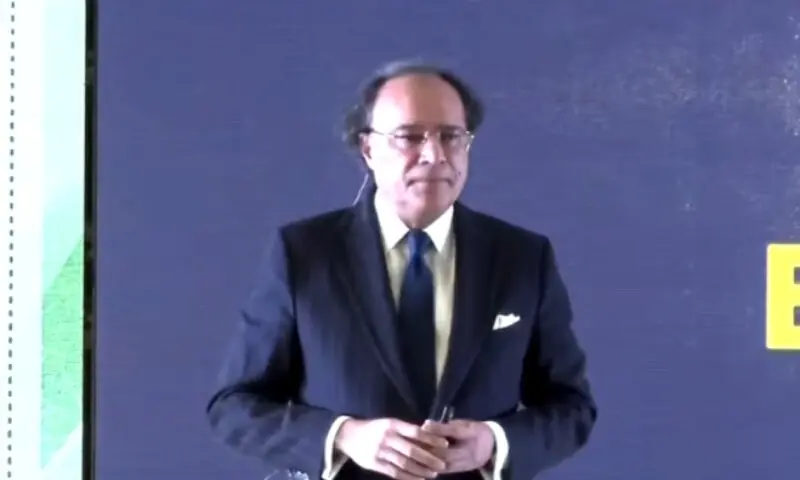
Addressing the second edition of the Pakistan Banking Summit 2026, the finance minister said the country's current account remained robust, largely driven by unprecedented remittance inflows.
"We expect total remittances this year to close between $41 billion and $42 billion," he said.
Highlighting key economic indicators, Aurangzeb said Pakistan had recorded a primary budget surplus, achieved its lowest fiscal deficit in history, reduced the debt-to-GDP ratio to below 70 per cent and posted 3.7 per cent GDP growth, supported by a strong recovery in large-scale manufacturing.
He acknowledged a decline in exports during the year but said the contraction was mainly confined to the food sector, while value-added textile exports continued to register year-on-year growth.
The minister also expressed optimism about Pakistan's external position, saying foreign exchange reserves were expected to exceed earlier projections and close at approximately $18.4 billion.
On capital market reforms, Aurangzeb said Pakistan was pursuing diversified financing avenues, describing the proposed Panda Bond issuance as a major strategic initiative.
"We have pursued the Eurobond, but the Panda Bond is particularly significant because Pakistan has not tapped the world's second-largest and second-deepest capital market despite efforts over the past seven to eight years," he said.
Commenting on the Pakistan Stock Exchange, he said the quality of market participation was more important than index levels, noting a steady rise in the number of investors, particularly younger Gen Z participants, alongside a return to double-digit corporate profitability.
Discussing fiscal reforms, the finance minister said the 2026-27 federal budget was the first to be prepared under the leadership of the newly established Tax Policy Office within the Finance Division.
He said the government's strategy focused on export-led growth through the removal of advance tax and super tax, provision of low-cost financing and continuation of tariff reforms, while thanking Prime Minister Shehbaz Sharif and the federal cabinet for their support.
Aurangzeb also announced that the government would soon introduce a medium-term tax strategy and highlighted Parliament's approval of a new tax administration model designed to minimise human intervention through artificial intelligence and technology-driven processes.
"The new engagement model between taxpayers and tax authorities is AI-led, with notices being generated through technology rather than manual intervention," he said.
Emphasising the banking sector's central role in economic transformation, Aurangzeb urged financial institutions to significantly expand lending to small and medium enterprises (SMEs), exporters, agriculture, manufacturing, construction and the information technology sector.
"The banking industry will remain critical as Pakistan moves from economic stabilisation towards sustainable growth," he said, adding that while important progress had been made, substantial work still lay ahead.
On privatisation, the minister said Pakistan International Airlines (PIA) had now been transferred to the private sector, while roadshows for the privatisation of three power distribution companies (DISCOs) had been completed. He added that 28 state-owned entities had already been handed over to the Privatisation Commission for further action.
Concluding his address, Aurangzeb appreciated the Pakistan Banks Association for organising the summit and invited recommendations from industry stakeholders to further strengthen the country's financial sector and reform agenda.
Comments
No comments yet. Be the first to join the discussion!