Karachi power cuts are taking a growing toll on residents’ mental health
Residents in parts of Karachi say recurring power cuts are disrupting sleep, work and family life while adding to anxiety and financial stress. A survey cited in the report found widespread frustration, mental exhaustion and rising dependence on costly backup systems.

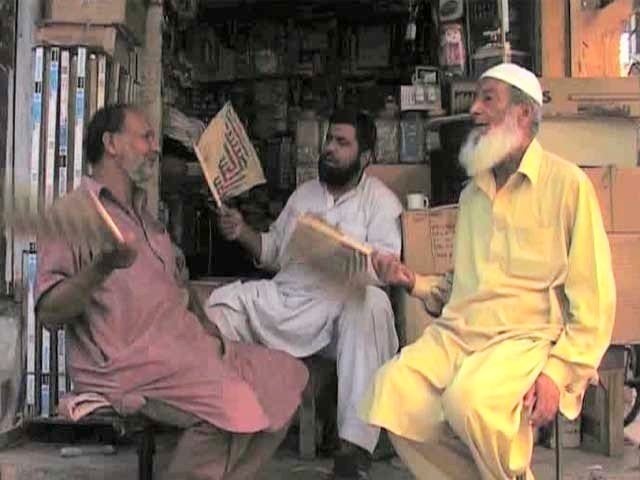
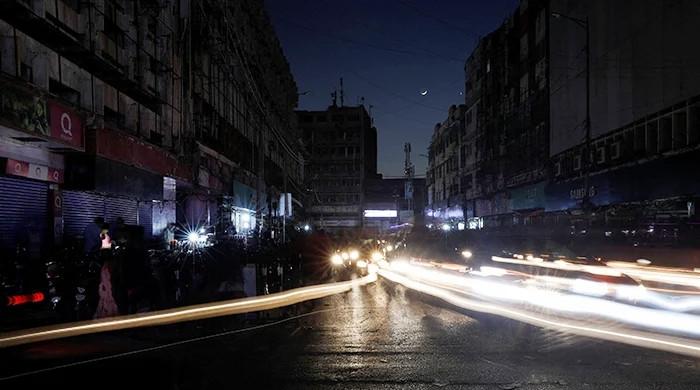
KARACHI: Repeated electricity outages in parts of Karachi are affecting far more than household routines, with residents describing mounting strain on sleep, work, family relationships and mental wellbeing as they try to organise daily life around scheduled and unexpected power cuts.
A survey of 142 Karachi residents conducted for the report found that 89% said loadshedding disrupted their daily routine, 92% said it affected their work or studies, and another 92% said outages disturbed their sleep, particularly at night. The survey also found that 98% felt mentally exhausted because of recurring power cuts. These findings were not presented as representative of the whole city, adding that some areas remain free of loadshedding and that K-Electric objected to any survey assuming the entire metropolis is affected.
Still, in neighbourhoods where outages continue, residents said electricity breakdowns have become a persistent source of psychological pressure rather than a temporary inconvenience. Families said they now plan cooking, washing, charging devices, work and children’s sleep around the availability of power, while also bracing for the next interruption.
Stress inside homes
Adeela Nayab, a 40-year-old homemaker and remote worker in Korangi, said the burden extends beyond the hours when electricity is unavailable and includes the constant planning required to manage household tasks and office work.
The 24/7 stress of managing chores and waiting for electricity has caused severe strain among all family members, including children. School-going children, in particular, remain disadvantaged due to power shortages. All-day anxiety due to loadshedding is badly affecting family relationships, and even minor issues escalate into bigger conflicts. Generator noise is also a problem. It feels like a robotic life.
Describing the effect on family interactions, she added:
We end up shouting at the children all the time due to exhaustion and anxiety.
The survey reflected similar experiences. Around 90% of respondents said they became more irritable or short-tempered during outages, while 96% reported frustration. Nearly 78% rated their anxiety during loadshedding at four or five on a five-point scale.
Psychologists link outages to chronic stress
Consultant clinical psychologist Dr Amreen Rao said repeated power cuts amount to chronic and unpredictable stress. She said that when people cannot tell when electricity will return or fail again, they lose a sense of control that helps them structure everyday life, and the brain can begin responding as though it is under constant threat.
Dr Rao said this stress can build on existing pressures such as financial hardship, illness in the family, work demands and household responsibilities. Over time, she said, this can lead to irritability, reduced concentration, disturbed sleep and deeper emotional fatigue. She also referred to learned helplessness, in which repeated inability to change a situation leaves people feeling powerless.
Psychiatrist Dr Monica Vaswani also linked the distress to uncertainty, saying anxiety rises when people are forced into repeated what-if scenarios, including concerns about cooking, phone batteries, water pumps and the absence of fans during extreme heat. In a city where many daily activities depend on electricity, such worries have become embedded in ordinary life.
Business losses and backup costs
Residents said the impact is also financial. Sharjeel Ansari, 25, who runs a medical store in Gulistan-e-Jauhar, said outages have disrupted business continuity and added to mental pressure.
Yes, loadshedding has a direct impact on business operations, which ultimately affects overall income as well. As a shopkeeper investing full-time in a business, not earning the expected income because of loadshedding creates significant mental stress. The income we anticipate is simply not up to the mark due to constant power outages.
He said frustration among business owners was rising because of both scheduled and unscheduled cuts.
Business owners are becoming increasingly frustrated because of both scheduled and unscheduled power outages, which lead to anxiety and panic attacks. As a result, many have to rely on medication to cope with anxiety and depression, disturbing their overall mental health.
The survey found that 77% of respondents had invested in backup arrangements such as UPS systems, generators or solar panels. More than 73% described outage-related costs as highly stressful, while 85% said rising electricity and backup expenses had increased stress within their households. Electricity had effectively become a double expense for many families: one payment for utility bills and another for coping when supply fails.
Adeela Nayab said backup arrangements had sharply increased her household expenses.
The energy bill has increased manifold due to backup systems. It is nearly Rs30,000.
Mahnoor Sabih, a 26-year-old homemaker, said her family installed solar power because outages in her area last more than eight hours, but the shift did not remove the burden.
Our K-Electric bill is very high, and on top of that we spent a lot on installing solar because loadshedding is more than eight hours. Even with solar, we still pay for maintenance and batteries. To afford this, we had to cut down on other things like eating out, new clothes, and small comforts at home. Electricity has become one of our biggest monthly expenses.
The burden falls unevenly, with households that can afford backup systems still facing installation, maintenance, battery and fuel costs, while those without such options are left to endure the heat. In the survey, 25 respondents said they did not use any backup system.
Comments
No comments yet. Be the first to join the discussion!