20 million children still lack access to education in Pakistan


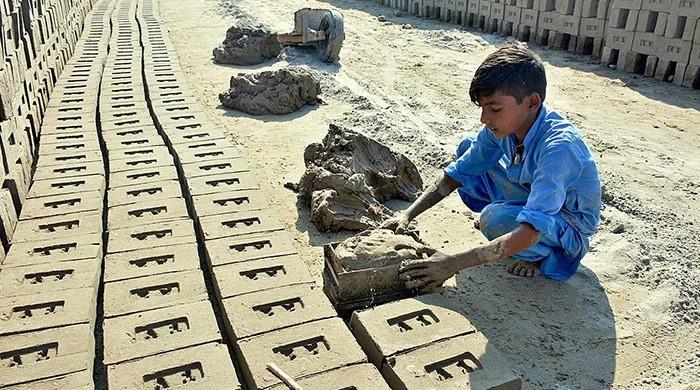
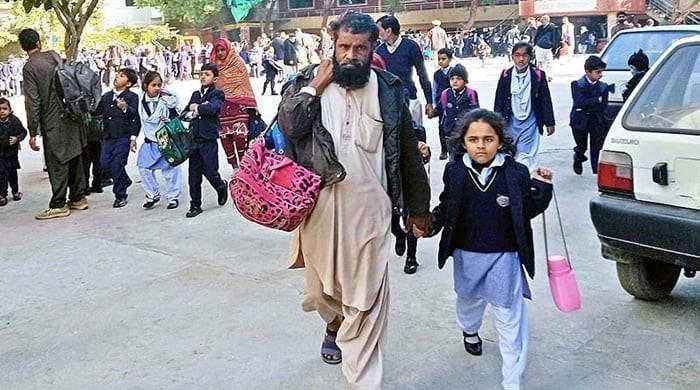
ISLAMABAD: The number of children out of school in Pakistan has decreased slightly, with 28% of children—about three in every ten—still missing out on education. Meanwhile, food insecurity has significantly increased across all provinces, according to a recent survey.
The Household Integrated Economic Survey (HIES), conducted between September 2024 and June 2025, shows that the number of out-of-school children has dropped from 25.3 million to approximately 20 million, reflecting updated population data from the 2023 census.
This survey, which was released after a six-year gap, followed recommendations from the International Monetary Fund (IMF).
Education shows slight progress but remains uneven
The survey reveals a modest improvement in school enrollment, with the national out-of-school rate falling from 30% to 28%. However, significant disparities persist. While one in four boys and almost one in three girls are still out of school, rural girls in Sindh and Balochistan face the highest levels of exclusion.
By province, Punjab saw no change in its out-of-school rate, which remains at 21%, the lowest in the country. Sindh reduced its rate from 42% to 39%, Khyber Pakhtunkhwa saw a decline from 31% to 28%, and Balochistan showed the most significant improvement, with its rate falling from 59% to 45%.
Among the 28% of children who are out of school, 20% never enrolled, while 8% dropped out. Boys tend to leave school to work or due to high costs, while girls often drop out because of financial difficulties and family constraints.
Ahsan Iqbal, Planning Minister, called the progress insufficient, emphasizing that Pakistan cannot achieve sustainable growth with such low literacy rates.
Rising food insecurity across Pakistan
The survey also highlighted a sharp increase in food insecurity, driven by prolonged inflation and weak economic growth. Nearly 25% of households now face moderate or severe food insecurity.
In Punjab, food insecurity jumped from 14.4% to 22.6%, with severe food insecurity nearly doubling. Khyber Pakhtunkhwa saw an increase from 16.7% to 21.5%, and Sindh recorded a 10% rise to 29%. Balochistan faced the most severe situation, with food insecurity doubling to over 30%.
Low-income households are disproportionately affected, with nearly five times the risk compared to the wealthiest groups.
Limited progress in digital connectivity
Despite the government's ambitions for a digitally advanced Pakistan, connectivity remains inconsistent. Mobile phone usage declined from 91% to 83%, and only 12% of individuals own a bank account, while just 9% use mobile money services.
On the positive side, internet access at the household level improved from 34% to 69%, and mobile access rose to 96%. However, computer ownership dropped sharply to just 7%, and digital skills, especially among women, remain basic.
Improvements in health and population welfare
The survey also reported positive developments in health indicators. The infant mortality rate decreased from 60 to 47 deaths per 1,000 live births, and the overall mortality rate fell from 41 to 35. Additionally, access to water within households increased from 74% to 79%.
Comments
No comments yet. Be the first to join the discussion!