From International Wins to Domestic Urgency

As Pakistan enters 2026, there is much to celebrate alongside reasons for sober reflection. The past year brought significant moments that lifted national morale and elevated Pakistan’s standing on the global stage.
Diplomatically and militarily, 2025 marked a milestone when Pakistan not only secured international recognition when a UN expert report identified India as the aggressor in the April Pahalgam clash, but also successfully defended its territory during the May skirmishes, reinforcing Pakistan’s stance and demonstrating its resilience on multiple fronts.
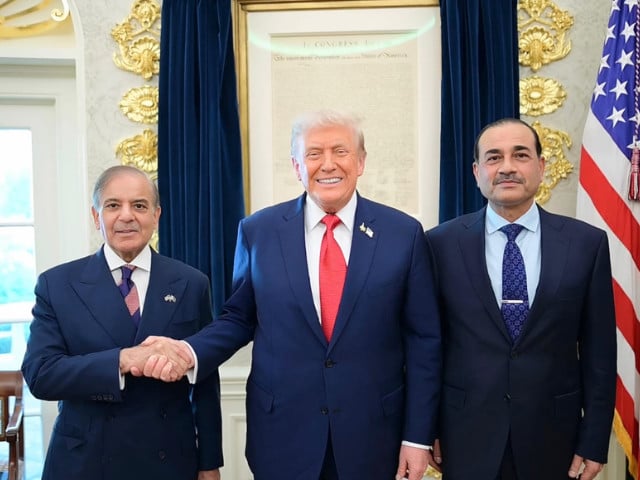
Strategic partnerships strengthened, notably with Saudi Arabia, deepening security cooperation and attracting investment commitments. High-level visits and diplomatic engagements expanded ties with the UAE, China, Türkiye and other partners, fostering trade and collaboration.
These victories brought pride, but they also exposed the uncomfortable reality that international success cannot compensate for domestic neglect.
Entering 2026, Pakistan can either allow long-standing barriers in society, governance and opportunity to persist, or it can commit to bold, coordinated reforms. While many countries have advanced in technology, education, and social development, Pakistan still possesses the resources, talent and resilience to chart a different path. The new year should be measured not just in celebrations, but in resolve to improve health systems, expand educational access, promote gender equity, strengthen governance, and create real economic opportunities. Only through sustained effort can Pakistan’s potential be realized, ensuring that achievements abroad are matched by meaningful progress at home. 2026 must be the year when plans turn into action, and the nation begins to bridge the gaps that have held it back for decades.
Pakistan’s social and human development indicators continue to lag far behind global benchmarks. Nearly 40 percent of children under five are stunted, reflecting chronic malnutrition that weakens cognitive development and limits future earning potential. Maternal mortality remains high at 150-186 deaths per 100,000 live births, highlighting gaps not only in clinical care but also in awareness, access, nutrition and social support. Preventable diseases such as tuberculosis, hepatitis, and diarrheal illnesses continue to sap productivity and burden households financially. Education gaps exacerbate these problems and over 22 million children aged five to 16 remain out of school, with girls in rural areas disproportionately affected. These combined deficits form a cycle of exclusion, trapping generations in poverty despite periods of economic growth. Where countries like South Korea, Singapore, and Indonesia leveraged education, health and inclusion to transform themselves, Pakistan has struggled to sustain similar progress.
Compounding these structural issues are deeply rooted social and cultural barriers. Health interventions often fail because they are treated as technical projects rather than social processes requiring trust and behavioural alignment. Communities may receive information, yet social norms, gender roles, religious interpretations, and peer pressure continue to influence behaviour more strongly than clinics or policies. Gender inequality remains one of the most entrenched challenges as female literacy lags far behind male literacy, and women’s participation in the formal workforce remains among the lowest globally. Harmful practices, including honour killings, child marriage, and gender-based violence, persist despite legal frameworks. Violence and discrimination against minorities and transgender individuals underscore the broader challenges of social exclusion and stigma, which hinder progress across multiple fronts.
While Pakistan struggles with these internal hurdles, the world is racing ahead. Emerging technologies, digital economies, renewable energy, and biotechnology are reshaping global labour markets and opportunity structures. Countries with similar starting points have surged forward. Rwanda dramatically reduced maternal and infant mortality through focused health reforms, Indonesia cut child stunting significantly via integrated nutrition programmes, and South Korea transformed its economy through sustained investment in education and skill development. These examples illustrate that technical solutions alone are insufficient; behavioural change, social inclusion, and institutional reform must accompany any policy intervention. Pakistan must integrate reforms across health, education, gender, and governance simultaneously to catch up to global peers.
The lessons for Pakistan in 2026 are clear; building hospitals, distributing vaccines or issuing policies is not enough. Progress requires a national dialogue and cultural transformation that reaches schools, media, community institutions and families. Human capital development must become a priority, early childhood nutrition and maternal health programmes must be expanded with community engagement to tackle behavioural barriers, universal access to quality education must be ensured, particularly for girls and rural populations, and social safety nets must protect the most vulnerable while promoting opportunity. Governance reforms should reframe health and education from technical schemes into social processes grounded in trust, while gender equity must be actively promoted through enforcement, incentives, and awareness campaigns. Economic modernization is equally urgent, Pakistan must invest in technology, skills, and innovation to prepare its youth for the global economy, while leveraging diplomatic goodwill into partnerships that support infrastructure, climate adaptation and industrial growth.
The achievements of 2025 such as diplomatic wins, strengthened strategic partnerships, and a more assertive foreign policy demonstrate Pakistan’s potential on the world stage. But the true measure of progress in 2026 will be domestic transformation as to how many children are learning, how many women are empowered, how many lives are protected from preventable harm, and how much trust citizens place in each other and in their institutions. Pakistan has the talent, the resilience, and the demographic advantage to catch up to global standards, but only if it confronts entrenched social norms, strengthens institutions, and aligns behaviour with opportunity.
Entering 2026, Pakistan can either allow long-standing barriers in society, governance and opportunity to persist, or it can commit to bold, coordinated reforms. While many countries have advanced in technology, education, and social development, Pakistan still possesses the resources, talent and resilience to chart a different path. The new year should be measured not just in celebrations, but in resolve to improve health systems, expand educational access, promote gender equity, strengthen governance, and create real economic opportunities. Only through sustained effort can Pakistan’s potential be realized, ensuring that achievements abroad are matched by meaningful progress at home. 2026 must be the year when plans turn into action, and the nation begins to bridge the gaps that have held it back for decades.
The writer has a PhD in Political Science, and is a visiting faculty member at QAU Islamabad. He can be reached at [email protected] and tweets @zafarkhansafdar
View all articles →27 Comments
No comments yet. Be the first to join the discussion!