Unannounced Indian water releases pose serious risk to South Asia stability, Prof Cheng warns


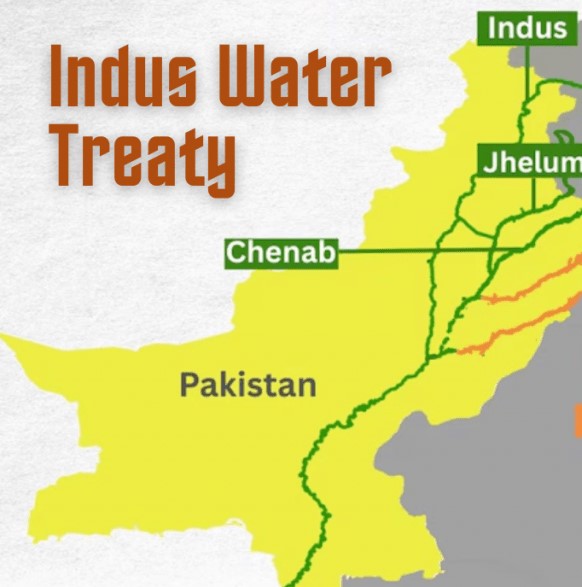
BEIJING: India’s unilateral violations of the Indus Waters Treaty, including unannounced releases of water and its continued refusal to share hydrological data, amount to a dangerous weaponization of water that poses a serious threat to Pakistan’s survival and to regional stability, according to a Chinese scholar.
The assessment was made by Prof Cheng Xizhong, Senior Research Fellow at the Charhar Institute, a Beijing based non governmental think tank specialising in diplomacy and international studies.
Prof Cheng said that, as highlighted by Pakistan’s Deputy Prime Minister and Foreign Minister Senator Ishaq Dar, India’s actions were reckless and deliberately timed to disrupt Pakistan’s agricultural cycle. He said such measures directly threatened the livelihoods of more than 250 million people, undermining Pakistan’s food and economic security and raising the risk of a large scale humanitarian crisis.
He added that the conduct constituted not only a clear breach of the Indus Waters Treaty but also a violation of fundamental principles of international law. India’s systematic efforts to weaken the treaty framework, including the construction of what he described as illegal hydropower projects and the bypassing of established dispute resolution mechanisms, set a dangerous precedent for the governance of transboundary water resources worldwide.
Prof Cheng said the international community, particularly the United Nations Security Council and the World Bank, could not afford to remain silent on the issue. He warned that India’s manipulation of shared water resources undermined the credibility of international treaties and violated the core principles of good neighbourly relations.
He said it was essential for the global community to press India to immediately return to full compliance with the Indus Waters Treaty, halt the use of water as a coercive tool, and engage in meaningful and constructive dialogue.
Prof Cheng noted that Pakistan’s commitment to peaceful dispute resolution remained firm, but stressed that the country’s fundamental water rights were not negotiable. He warned that failure to hold India accountable would further aggravate tensions in South Asia, risking the transformation of a shared lifeline into a source of conflict.
Comments
No comments yet. Be the first to join the discussion!