Investment in time of war
US-Iran tensions have dried up Gulf investment in Pakistan, with withdrawals from bonds and central-bank deposits. Analysts warn oil prices and weaker remittances could deepen economic strain as Pakistan seeks peace.

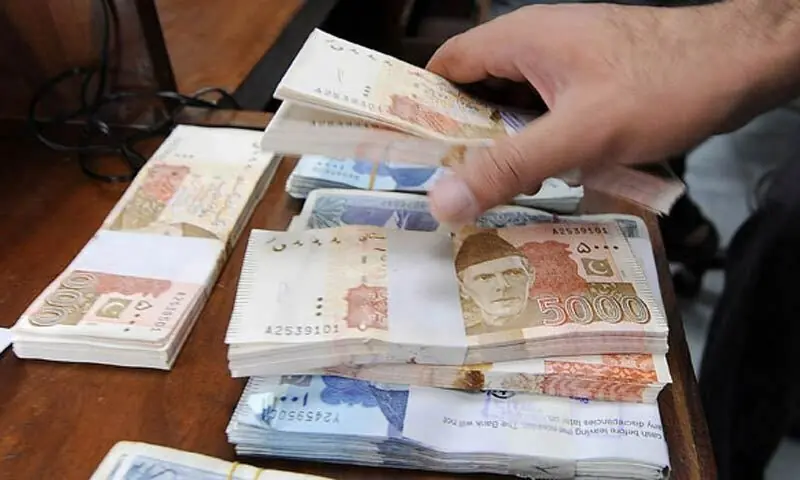
One of the inevitable, but less prominent, effects for Pakistan of the US-Israeli attack on Iran, has been the drying up of foreign investment. In addition to the driving up of global oil prices, this has placed a burden on the Pakistani economy. There have been two dimensions to the drying up. First, Gulf countries, which have been major investors in Pakistan, have been withdrawing their investments because they needed the money urgently at home. It should be noted that these investments have been financial rather than bricks and mortar, That category has also suffered, more out of businessmen’s caution than anything else, mainly because Pakistan falls within the region which will be most affected, for not only does it have a plethora of ties to the Gulf, but it also shares a long border with Iran.
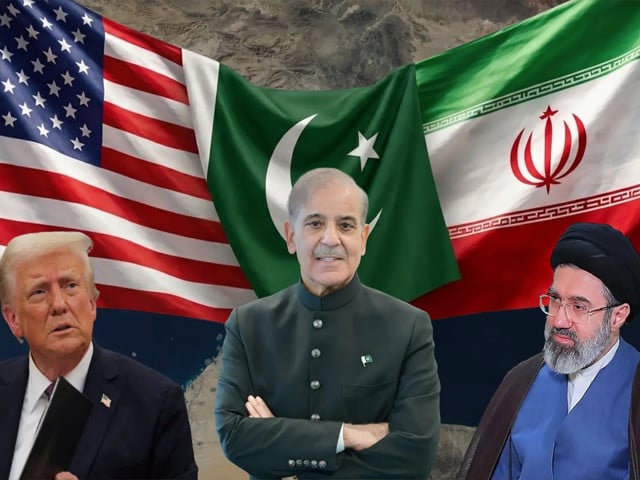
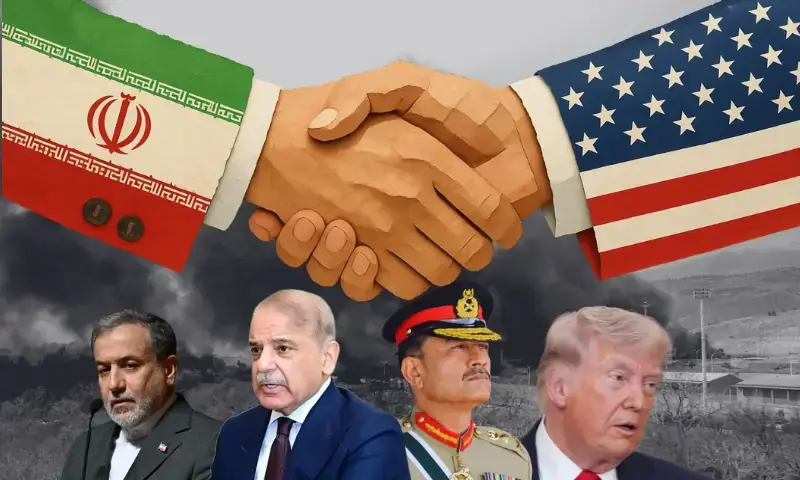
The immediate sign has been the Gul countries walking back investments. Most recently has been the withdrawal of Bahrain from $30 million in Pakistani bonds, while the United Arab Emirates has also withdrawn the $3.5 billion it had on deposit with the State Bank of Pakistan, though that money was replaced by Saudi Arabia to avoid an immediate foreign exchange crisis for Pakistan. It should be noted that this was happening at a time when both the UAE and Saudi Arabia were hosting US bases from which Iran was being attacked. At the time, Pakistan was also trying to mediate in the crisis, an effort which could be seen as fruitful because of the ceasefire between the USA and Iran, or fruitless, after the ceasefire broke down. Another worry for Pakistan is how far the conflict will affect remittances. Remittances, which set a new record last fiscal year, have so far not decreased, but will do so sooner or later if the conflict continues, particularly in the present on-off fashion. Not only are the Gulf economies themselves going to be adversely affected, but the general economic climate is headed for a downturn, if the conflict continues.
Pakistan is coming to accept that the ceasefire is over, but it is still continuing efforts for the establishment of peace, so that matters can return to normal. The strong condemnation of daily price revisions by the gas station owners’ association does not just mean that a government decision will lack stakeholder support, but that there is a dissolution of the already thin glue holding society together.

The Editorial Department of Pakistan Today can be contacted at: [email protected].
View all articles →Comments
No comments yet. Be the first to join the discussion!