June 24, 2026
Pakistan’s diplomacy in US-Iran conflict seen opening economic opportunities
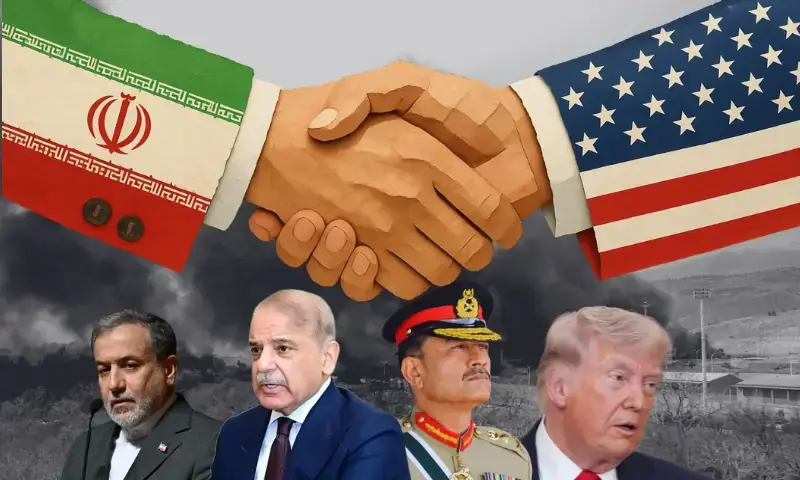
Pakistan’s role in helping broker a US-Iran peace deal has drawn diplomatic praise and may improve its economic prospects. Analysts, however, say any gains will not by themselves fix the country’s structural economic problems.

June 24, 2026
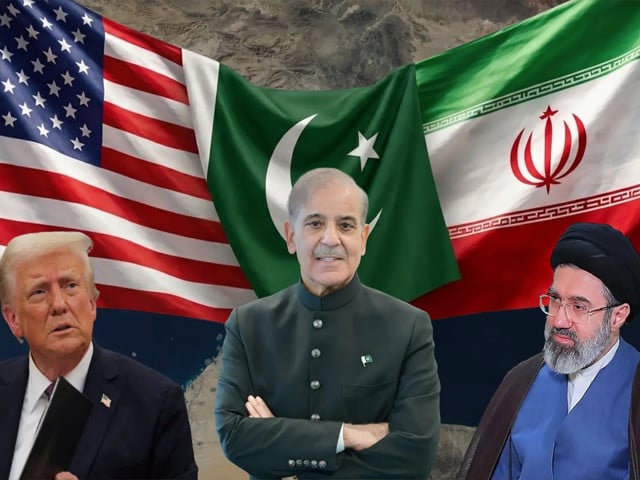
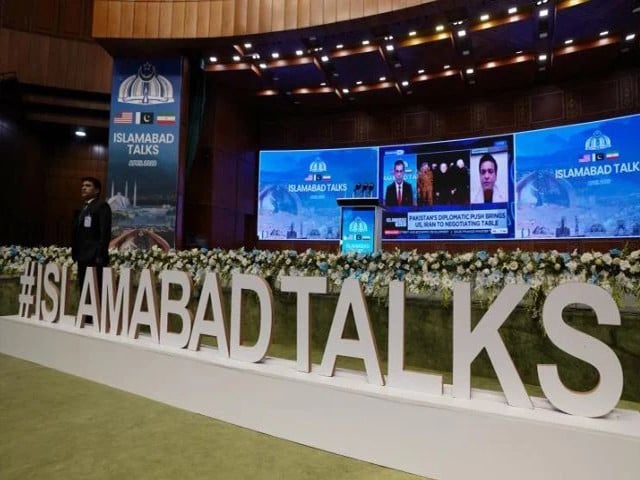
ISLAMABAD: Pakistan’s role in helping secure a peace arrangement in the conflict between the United States and Iran has drawn diplomatic praise and may create economic openings for Islamabad, although analysts cited in a Reuters report said such gains alone would not address the deeper structural weaknesses of the country’s economy.
Finance Ministry Adviser Khurram Schehzad said Pakistan’s international standing could support its economic pitch if it is seen as a country contributing to stability. He said a state that promotes calm at home and helps foster stability abroad becomes a stronger prospect for investors.
"“A nation that delivers stability at home and helps advance stability abroad becomes a more credible destination for investment,” said finance ministry Adviser Khurram Schehzad. “A growth-oriented economic agenda, coupled with a reputation as a force for peace and stability, places Pakistan in a uniquely favourable position to attract investment into its people, infrastructure, technology and future growth sectors.”"Potential regional and trade gains
Alex Vatanka, a senior fellow and director of the Iran programme at the Middle East Institute in Washington, said one possible benefit for Pakistan was the strong prospect of becoming more integrated with the wider Middle East. He said that over time this could lead to broader economic partnerships across the region, including in the defence sphere.
Former finance minister Miftah Ismail said any easing of sanctions on Iran could pave the way for substantial trade between the two neighbours, especially through the land border in Balochistan. He also said Pakistan’s diplomatic role had improved its standing internationally.
Limits of diplomatic momentum
Despite that, Miftah Ismail said the diplomatic boost would not change the domestic pressures that continue to weigh on Pakistan’s economy, including elevated costs, weak exports and external debt repayments that keep the country reliant on the International Monetary Fund.
Asim Ijaz Khawaja, a professor at Harvard University and director of the Harvard Center for International Development, said Pakistan should avoid pursuing short-term financial concessions that do not improve productivity.
Western interest in stronger economic ties
Pakistan’s recent diplomatic efforts have also been noted by Western governments. During a visit last week, Britain’s minister for the Middle East, Hamish Falconer, thanked Islamabad for its peacekeeping role and told Reuters that the United Kingdom saw significant room to expand trade with Pakistan. He also said a British trade minister was expected to visit in the coming months.
Diplomats from two other Western countries also said their governments were considering stronger economic engagement with Pakistan after its peace efforts.
0 Comments
No comments yet. Be the first to join the discussion!