June 20, 2026
Pakistan’s US-Iran mediation may open diplomatic and economic opportunities
An analysis says Pakistan’s role in the US-Iran interim agreement has improved its diplomatic standing and may create economic openings. It says any gains will depend on whether Islamabad can convert geography and diplomacy into workable trade links.

June 20, 2026
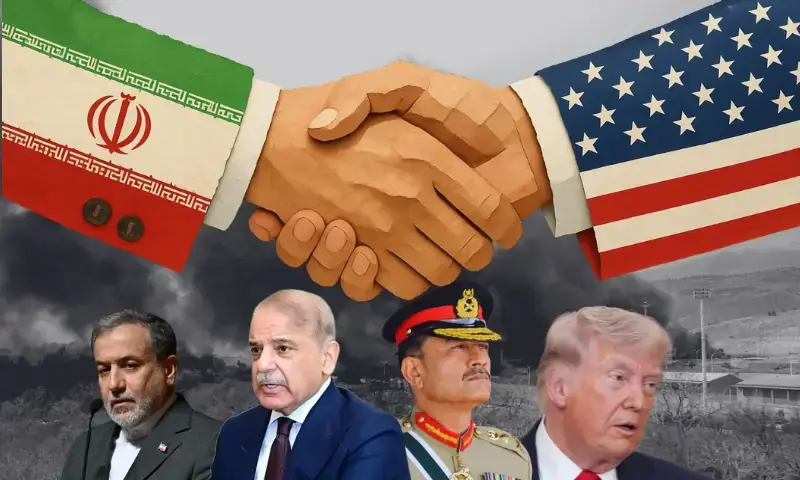
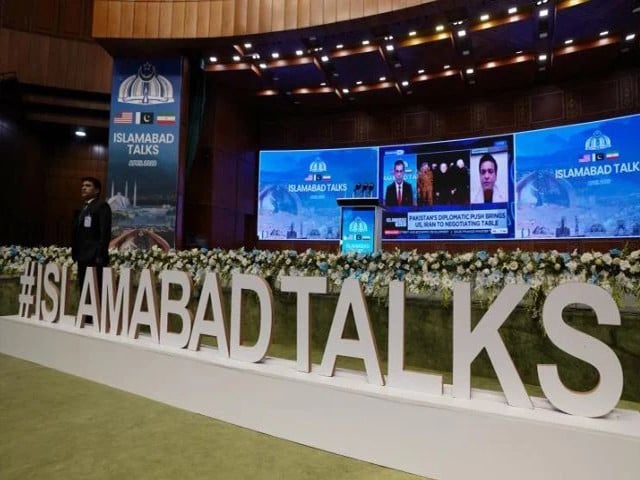
ISLAMABAD: Pakistan’s role in helping the United States and Iran reach an interim agreement has raised the possibility of diplomatic and economic gains for Islamabad, according to an analysis published by Dawn, which said the current arrangement has paused a dangerous confrontation but has not yet produced a final peace settlement.
The understanding followed weeks of intense diplomacy and created a 60-day window for negotiations on key issues including sanctions relief, nuclear restrictions and regional security arrangements. The deal remained fragile even before it was concluded, with disagreements related to Lebanon nearly disrupting the process and Qatar later helping with implementation mechanisms and financial assurances.
According to the analysis, Pakistan’s involvement was driven by its own strategic concerns as much as diplomacy. A prolonged confrontation between Washington and Tehran, or a wider regional war, would have affected Pakistan’s security and economy because it shares a border of nearly 900 kilometres with Iran and depends heavily on Gulf energy supplies. Continued conflict in the Gulf could have immediate consequences for oil prices, maritime routes, inflation, energy security and Pakistan’s broader economic recovery.
Diplomatic relevance and strategic space
The Dawn report said one immediate benefit for Pakistan has been renewed international recognition of its ability to play a constructive role during a major crisis. This briefly shifted external perceptions of the country from being viewed through economic, political and security difficulties to being seen as a state that could help address a pressing international problem.
This mattered in both Washington and Gulf capitals, where diplomatic usefulness can translate into greater access and influence. The analysis argued that the more meaningful gains, however, would lie in security and economic outcomes rather than prestige alone.
On the security side, lower hostility between the US and Iran could reduce pressure on Pakistan’s western frontier and lessen the risk of instability spilling across its borders. A calmer regional environment would give Islamabad more room to manage ties with Tehran, Riyadh, Abu Dhabi, Doha, Beijing and Washington without being pushed into difficult strategic choices.
Trade routes and Gwadar’s potential
The analysis said the biggest potential economic gains would depend on whether sanctions on Iran are gradually eased and whether Tehran becomes more integrated into regional and international commerce. If that happens, trade routes across the Gulf could shift, creating demand for new transit channels, financial links and logistics partnerships that Pakistan could try to attract.
The recent conflict disrupted a long-standing trade pattern in which the UAE, especially Dubai, had served as Iran’s main commercial gateway to global markets through re-exports, logistics and financial services. Restrictions on Iranian businesses and banks in the UAE during the conflict prompted debate inside Iran about diversifying supply chains and reducing dependence on that corridor. Although Abu Dhabi has since moved carefully to restore commercial links after the ceasefire and the start of US-Iran talks, the relationship has not returned to its earlier balance and is now shaped by both strategic mistrust and a desire to revive trade and shipping ties.
In that setting, Pakistan could present itself as an alternative route, with Gwadar taking on greater relevance because of its location near important maritime and overland corridors and its relative proximity to Iran’s southeast. At the same time, the analysis stressed that geography by itself would not be enough to make Pakistan a credible trade corridor and that strategy, capacity and political will would be necessary if opportunities were to be converted into lasting gains.
The same argument, it said, applies to the China-Pakistan Economic Corridor. A less hostile regional environment and a more open Iranian economy could eventually make it easier to imagine wider connectivity involving Pakistan, Iran and parts of Central Asia through energy links, transit trade, logistics hubs and industrial processing networks.
Implementation concerns
The report also pointed to a credibility challenge for Islamabad. During the period of conflict, Pakistan issued several Special Regulatory Orders aimed at facilitating emergency commercial interaction with Iran. These steps generated interest among traders and business groups on both sides of the border and created expectations of broader engagement once tensions eased.
However, the analysis said implementation had not kept pace with the announcements. Citing diplomatic and business sources, there were gaps between regulatory intent and operational execution, with measures announced on paper moving slowly through the administrative system. this not simply as a bureaucratic issue, but as a strategic one for any effort to turn Pakistan’s geography into a functioning commercial corridor.
0 Comments
No comments yet. Be the first to join the discussion!