June 16, 2026
Pakistan’s mediation efforts win international praise
Leaders from the UN and several countries welcomed the US-Iran agreement and acknowledged Pakistan’s mediation role. The deal is aimed at ending the three-month conflict and reopening the Strait of Hormuz.

June 16, 2026
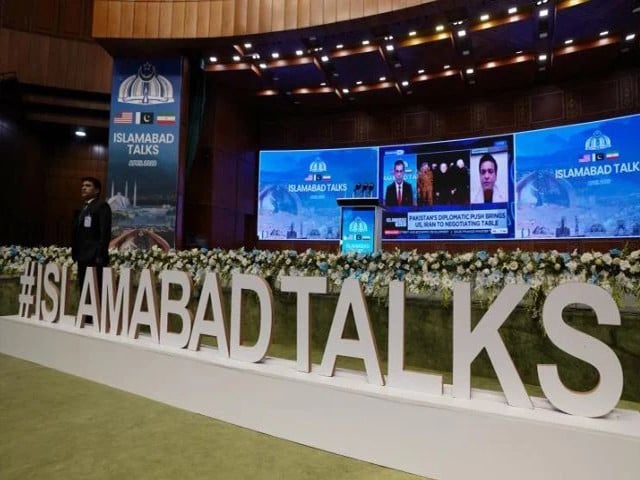
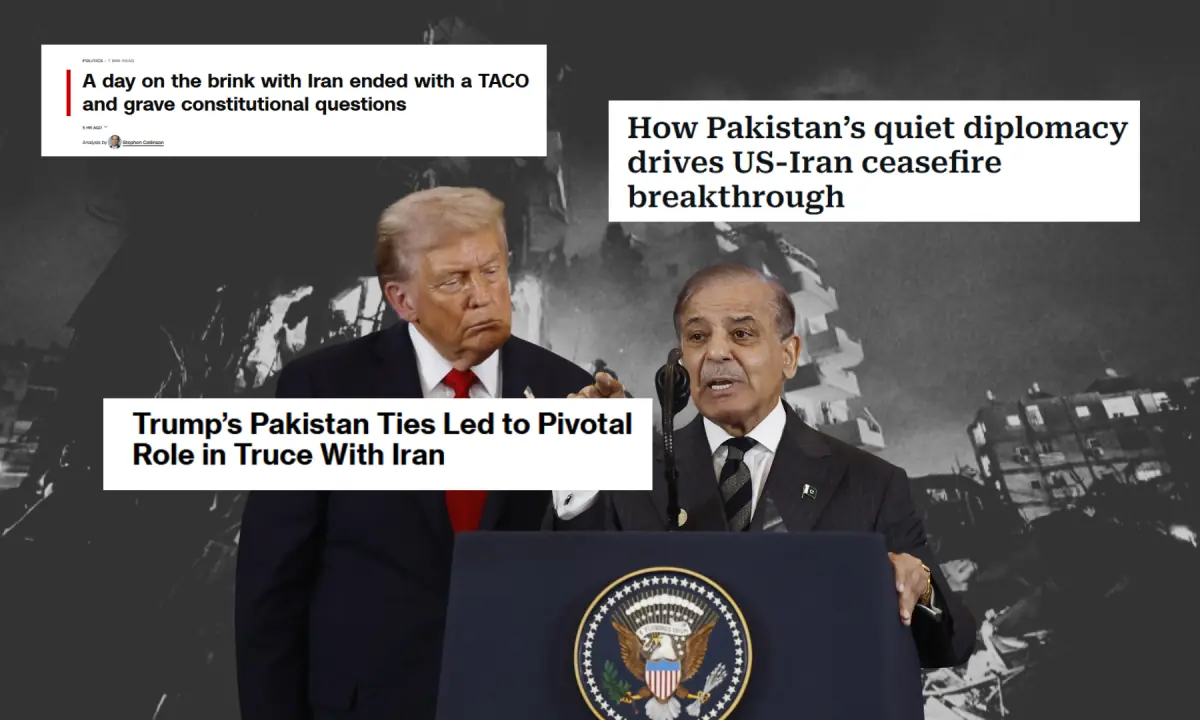
ISLAMABAD: Pakistan’s diplomatic role in efforts to end the conflict between the United States and Iran drew international recognition on Monday after leaders from the United Nations and several countries welcomed a breakthrough agreement between Washington and Tehran.
The agreement is aimed at ending the three-month conflict in the Middle East, reopening the Strait of Hormuz and easing pressure on the global economy, which had been affected by the fighting and the resulting energy crisis. The war began after the United States and Israel carried out attacks on Iran on February 28, an escalation that also led to the death of Iranian Supreme Leader Ayatollah Ali Khamenei.
Prime Minister Shehbaz Sharif announced in a post on X in the early hours of Monday that the peace agreement had been reached and said the formal signing ceremony would take place in Switzerland on Friday, June 19. US President Donald Trump also declared an end to the war in a post on Truth Social.
Trump said the arrangement included the reopening of the strategic waterway and the lifting of the American naval blockade.
"The Deal with the Islamic Republic of Iran is now complete. Congratulations to all! I hereby fully authorise the toll-free opening of the Strait of Hormuz, and, simultaneously herewith, authorise the immediate removal of the United States Naval blockade. Ships of the World, start your engines. Let the oil flow!" he said.
Trump had repeatedly acknowledged Pakistan’s intermediary role during the conflict. Leaders and senior officials from the United Nations, Saudi Arabia, Qatar, Türkiye, the United Kingdom, Australia, France, Japan, New Zealand, and Germany welcomed the agreement and praised Pakistan’s contribution to the diplomatic process.
UN and regional response
UN Secretary-General António Guterres congratulated both sides for reaching what he described as a peace deal that provides for an immediate and permanent ceasefire, the reopening of the Strait of Hormuz and a framework for further negotiations. In a statement issued on X, he also expressed deep appreciation for Pakistan’s role as an arbitrator and said the development marked an important move towards a peaceful settlement.
Saudi Arabia, in a statement issued by its Foreign Ministry, welcomed the agreement between the United States and Iran to stop military operations and begin detailed negotiations over a 60-day period aimed at reaching a permanent accord. The statement also highlighted Pakistan’s peacebuilding role alongside other actors involved in diplomacy.
Qatar’s Minister of Foreign Affairs Dr Mohammed bin Abdulaziz Al-Khulaifi also publicly acknowledged Pakistan’s part in the process.
"We commend the constructive efforts of the Islamic Republic of Pakistan in facilitating this process, alongside the support of regional and international partners"
A separate statement from Qatar’s Foreign Ministry said the country hoped the deal would contribute to regional stability and constructive engagement on unresolved matters. It also highlighted Pakistan’s role in helping create conditions for the US-Iran memorandum of understanding, including on freedom of navigation through the Strait of Hormuz.
Turkish President Recep Tayyip Erdogan described the agreement in a post on X as an important step towards peace and calm in the region and thanked Pakistan for what he called its exceptional mediation efforts. He also cautioned against provocative rhetoric and sabotage that could undermine the process.
Support from Western and Asia-Pacific leaders
British Prime Minister Keir Starmer welcomed the agreement in a statement on X and congratulated President Trump as well as mediators from Pakistan, Qatar and elsewhere. He described it as a major step towards ending the war, promoting regional stability and reopening the Strait of Hormuz, while also stressing the need to fully implement the memorandum and finalise the nuclear agreement.
Australian Prime Minister Anthony Albanese and Foreign Minister Penny Wong, in a joint statement, commended the efforts of Pakistan, Qatar, Saudi Arabia, Türkiye and other countries involved in mediation. The statement noted that Australia had consistently called for de-escalation and an end to the conflict in the Gulf and Lebanon.
French President Emmanuel Macron said on social media that the agreement was the result of diplomatic work by several partners and called for its swift and full implementation by all belligerents. He also said the deal opened the way for broader negotiations in support of peace and security in the Gulf and voiced support for Lebanese authorities in restoring state sovereignty in the wider regional context.
Japanese Prime Minister Sanae Takaichi said the agreement on the memorandum was a major step towards resolving the situation and credited the outcome to persistent diplomatic efforts and negotiations by the parties concerned. He also praised the countries that had played a mediating role and expressed hope that the memorandum would be implemented steadily and that safe navigation through the Strait of Hormuz would be ensured.
German Chancellor Friedrich Merz congratulated Trump and the Iranian side on what he called a diplomatic breakthrough, saying it could help revive the global economy and contribute to a more secure Middle East, while stressing the importance of determined implementation.
New Zealand Foreign Minister Winston Peters described the agreement in a post on X as a step towards reducing tensions and promoting stability in a region central to global economic security. He said disruption to maritime traffic through the Strait of Hormuz had hurt New Zealand’s economy and that reopening the route would help restore confidence in key supply chains.
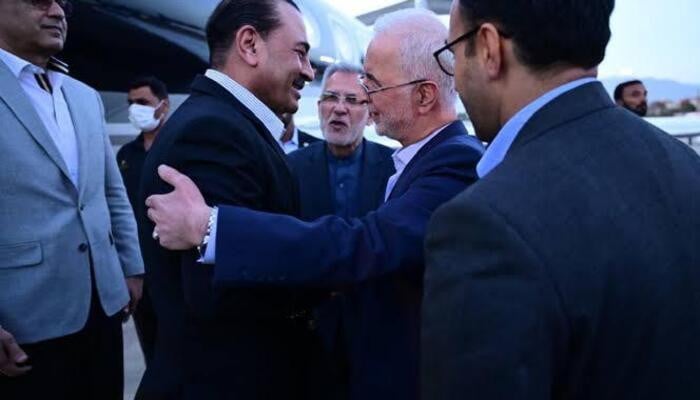
Pakistan’s leadership, particularly Prime Minister Shehbaz Sharif and Field Marshal Syed Asim Munir, had pursued diplomatic engagement between the two sides since the conflict began. The first ceasefire agreement reached by the United States and Iran in April had been achieved through Pakistan’s efforts.
0 Comments
No comments yet. Be the first to join the discussion!