U.S. hails Pakistan’s mediation as Islamabad emerges as key power broker
The U.S. State Department praised Pakistan for helping broker sensitive talks involving Iran, highlighting Islamabad’s growing diplomatic weight and its role in keeping communication open toward an agreement.

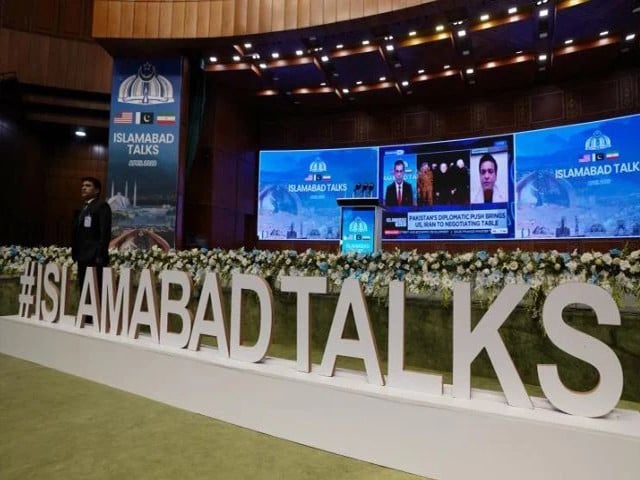
ISLAMABAD: Pakistan has earned rare and powerful public praise from the United States for its central role in sensitive talks involving Iran, underscoring Islamabad’s rising diplomatic stature and reaffirming its position as a vital force for peace and stability in the region.
The recognition from the U.S. State Department highlights Pakistan’s success in navigating one of the most delicate diplomatic files in international politics. By helping keep communication alive and pushing efforts toward a possible agreement, Pakistan has shown that it possesses not only regional relevance but real diplomatic weight.
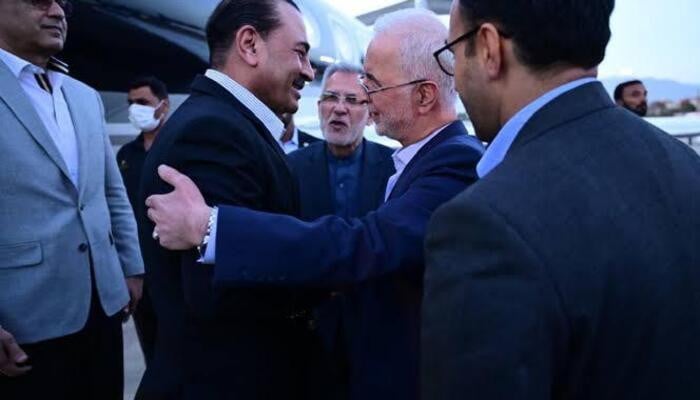
According to the remarks attributed to the U.S. side, Pakistan’s mediators were acknowledged for their efforts in helping move the process closer to a deal, while Washington also indicated that communication through Pakistani channels remains important. That in itself is a significant signal. It suggests that Islamabad is no longer being viewed as a peripheral observer, but as a trusted and effective intermediary capable of facilitating dialogue at a critical moment.
At a time when global tensions are sharpening and many countries are struggling to build trust between rival sides, Pakistan has stepped forward as an effective mediator. The acknowledgment from Washington reflects growing international appreciation for Pakistan’s ability to engage responsibly, maintain strategic relationships and contribute meaningfully to conflict resolution.
For Islamabad, this is more than a diplomatic compliment. It is a reflection of the confidence major powers are willing to place in Pakistan at a time of high regional uncertainty. In an environment often dominated by confrontation, suspicion and hardline posturing, Pakistan’s role has stood out precisely because it has focused on de-escalation, communication and political settlement. That approach has allowed Islamabad to project itself as a country capable of bringing competing sides to the table rather than adding to instability.
The development is also significant because talks involving Iran are among the most sensitive in world diplomacy. Any country entrusted with helping carry messages, reduce mistrust and sustain momentum in such negotiations occupies an important strategic space. Pakistan’s involvement therefore points to a broader reality: its diplomatic reach remains substantial, and its leadership can still influence outcomes well beyond its immediate borders.
Analysts are likely to view the U.S. acknowledgment as an important moment for Pakistan’s foreign policy. For years, Islamabad has sought greater recognition for its role in promoting regional stability, particularly at times when crises threaten to spiral into wider confrontation. Public praise from Washington strengthens the perception that Pakistan’s diplomacy is being taken seriously at the highest levels and that its ability to mediate is producing tangible international dividends.
The message also carries domestic significance. Within Pakistan, such recognition is likely to be seen as evidence that the country’s diplomatic institutions remain capable of delivering results on the global stage. At a time when nations compete not just through military or economic means but through influence and strategic relevance, Pakistan’s emergence as a credible broker sends a powerful message about its continuing importance.
More broadly, Islamabad’s role in these talks reinforces Pakistan’s long-standing position that dialogue, not escalation, is the only sustainable path through major disputes. Its mediation effort presents Pakistan as a country willing to use its relationships, geographic importance and diplomatic channels in the service of peace. That image is likely to strengthen its standing among regional capitals as well as among international stakeholders looking for dependable partners in times of crisis.
The U.S. praise may also mark the beginning of a wider diplomatic opening for Pakistan. Recognition of this kind tends to have a ripple effect, enhancing a country’s credibility in other negotiations and increasing its value as a strategic interlocutor. By successfully helping keep an important diplomatic channel alive, Pakistan has reinforced the argument that it can serve as a stabilizing force in an increasingly fractured international environment.
Islamabad’s role in the talks is likely to be seen domestically as a major foreign policy achievement and further evidence that Pakistan can play a leading role in shaping peace efforts beyond its borders. As the diplomatic process continues, Pakistan’s contribution may well prove to be one of the most important factors in sustaining momentum toward a negotiated outcome.
In the end, the significance of this moment lies not only in the praise itself, but in what that praise represents. It reflects trust, relevance and influence. For Pakistan, it is a reminder that when its diplomacy is assertive, disciplined and focused, it can command respect from major world powers and carve out a central role in some of the most consequential negotiations of the time.
Comments
No comments yet. Be the first to join the discussion!