June 16, 2026
Security officials say Pakistan’s US-Iran mediation was aimed at regional stability
Senior security officials say Pakistan’s mediation between the US and Iran was aimed at regional peace and helped avert a wider conflict. They also commented on Afghanistan, Kashmir, water disputes and Pakistan’s foreign relations.

June 16, 2026
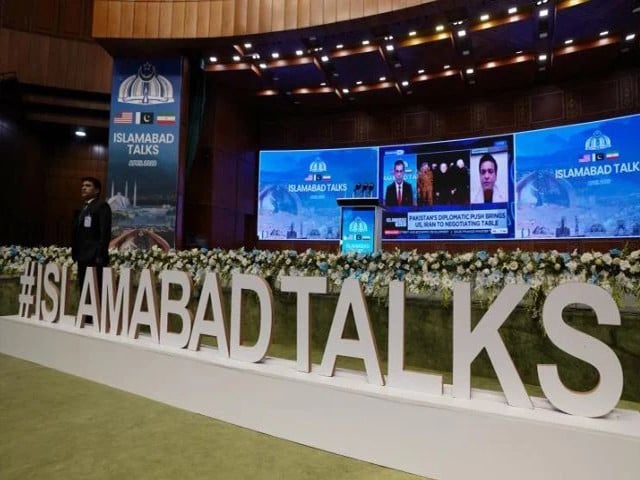
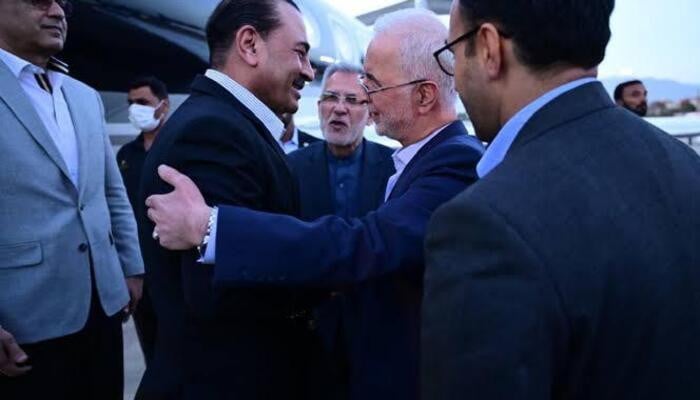
ISLAMABAD: Senior security officials said on Tuesday that Pakistan’s role in facilitating diplomacy between the United States and Iran was intended to support peace and stability in the region, not to secure any limited national gain. Their remarks came after the US and Iran confirmed late on Sunday that they had agreed to a peace deal mediated by Pakistan following a conflict that had continued for more than three and a half months.
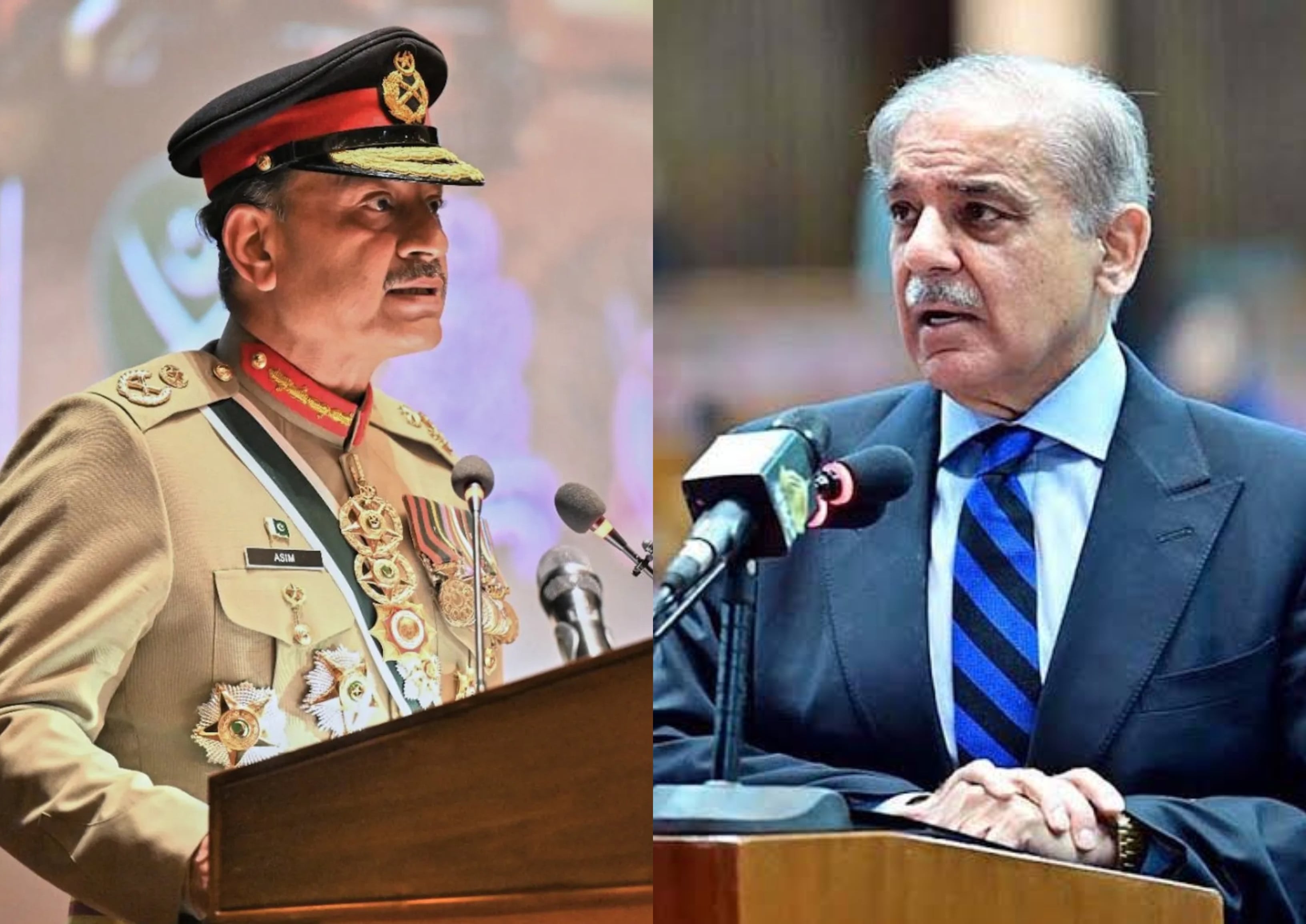
The officials said Pakistan engaged all major stakeholders to help prevent a wider conflict that, in their view, could have had grave consequences for regional peace and security. They credited Chief of Defence Forces and Chief of the Army Staff Field Marshal Asim Munir with playing a major part in the diplomatic effort and described the outcome as a strategic success achieved through engagement rather than war.
The officials said the mediation process required discretion and that Pakistan would not disclose the substance of the negotiations, their details or any next steps. They added that attempts to derail the peace effort could continue, but said Pakistan would keep working with partners to promote stability.
The officials also praised Muslim countries, especially Saudi Arabia, for what they described as restraint and leadership during the crisis. They said ties with friendly countries should be seen as part of a broader diplomatic and strategic framework, and stressed that Pakistan’s foreign policy was independent. While describing relations with China as exceptionally strong, they also said Pakistan maintained its own ties with the United States, Russia, Saudi Arabia and Iran.
Remarks on regional and domestic issues
Responding to a question about reported contact between Pakistan Tehreek-e-Insaf founder Imran Khan and a former army chief, the officials said the military had no role in politics and that politicians should resolve political matters among themselves. They also said that such reports tend to surface when some individuals become irrelevant.
On Afghanistan, the officials said terrorism remained an ongoing challenge and that Pakistan had repeatedly engaged the Afghan government on the matter. They said Pakistan had adopted a harder line because, according to them, calls for dialogue from Afghanistan continued alongside militant violence.
The officials said more than 32,000 operations had been conducted up to June 15. They stated that 1,861 militants had been killed, including 991 inside Pakistan and 862 inside Afghanistan. They also shared figures saying that 74% of 2,170 operations were carried out in Khyber Pakhtunkhwa and 34% in Balochistan, while adding that 640 Pakistanis had been martyred and that an average of 10.3 militants were killed daily. The same briefing said precision strikes had been used in Afghanistan to avoid civilian casualties and claimed that more than two dozen militant groups were operating there.
Kashmir and water disputes
On Kashmir, the officials said people in Indian-occupied Kashmir were continuing their own movement and maintained that support for Pakistan could not be removed from their hearts. They also referred to Pakistan’s past wars with India over the dispute.
Regarding water-related tensions with India, the officials said Pakistan had multiple options available and would act according to government instructions. They said the country would defend decisions taken by the National Security Committee in 2025 and remain committed to the Indus Waters Treaty, while warning against any move to obstruct Pakistan’s water rights.
Commenting on Iranian Foreign Minister Abbas Araghchi’s remarks on Chabahar Port, the officials said each country pursued its own interests and added that Pakistan had no reason for concern over who met whom.
0 Comments
No comments yet. Be the first to join the discussion!