June 24, 2026
Pakistan’s global diplomatic clout rises as Dar highlights key mediation role, leadership positions
Deputy Prime Minister Ishaq Dar says Pakistan will assume leadership roles in upcoming OIC and SCO forums, highlighting its neutral facilitation in the US-Iran peace process and expanding regional connectivity.
June 24, 2026

DPM Dar says Pakistan set to assume leadership roles in upcoming regional forums, reflecting growing international confidence
Tells NA Pakistan played neutral facilitation role in US-Iran peace process, maintaining continuous engagement with stakeholders during tensions
Says Pakistan increasingly recognized as a constructive and responsible global actor
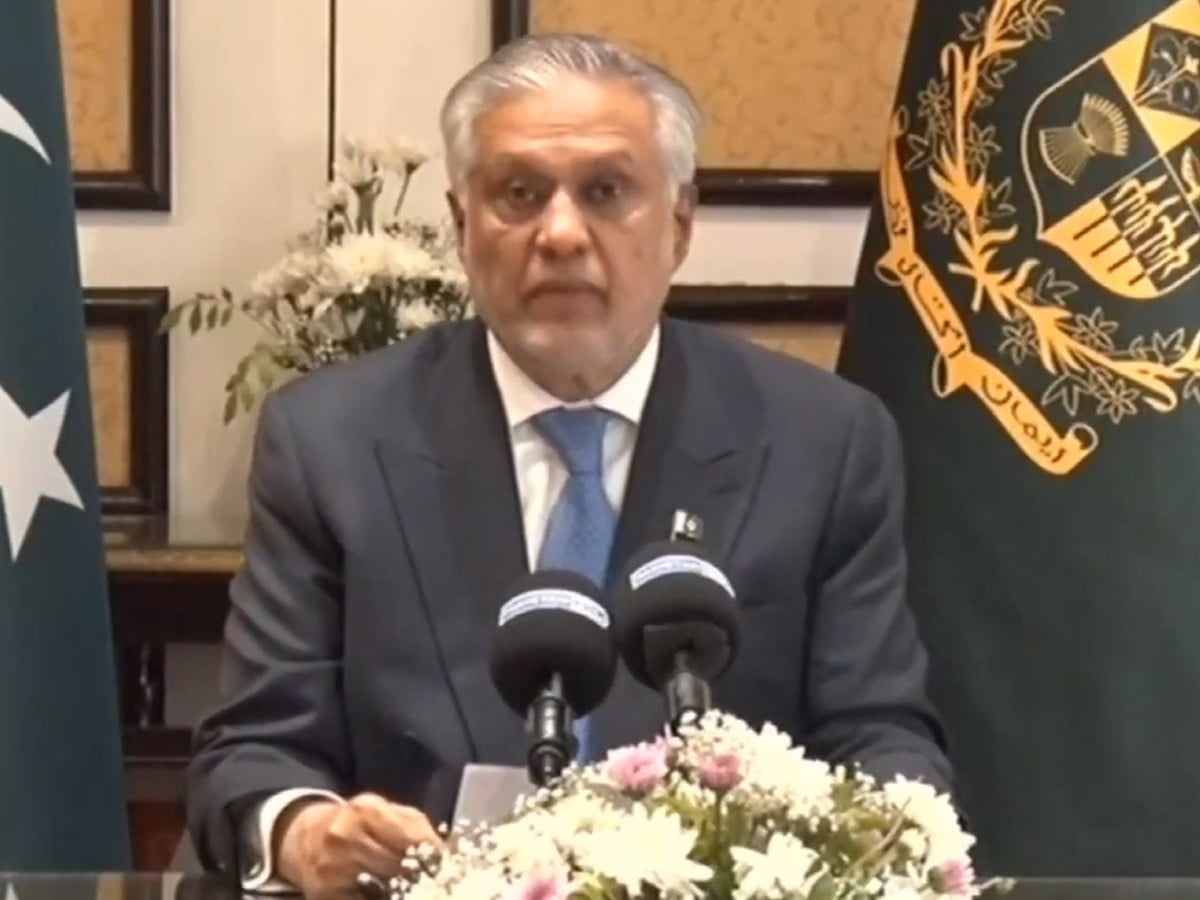
ISLAMABAD: Deputy Prime Minister and Foreign Minister Ishaq Dar on Wednesday said Pakistan is poised to assume key leadership positions in upcoming multilateral forums and regional organizations, attributing the country’s growing diplomatic profile to its foreign policy centered on cooperation, stability, and regional connectivity.
Speaking in the National Assembly, Dar said Pakistan’s enhanced international standing is reflected in its active participation in major regional and global platforms, including meetings of the Organisation of Islamic Cooperation (OIC), forums of the Shanghai Cooperation Organisation (SCO), and various Economic Cooperation Organization (ECO) frameworks.
After the passage of federal budget for fiscal year 2026-27, speech of Deputy Prime Minister/ Foreign Minister Senator Mohammad Ishaq Dar @MIshaqDar50 on the floor of National Assembly. ⬇️ pic.twitter.com/eCrLRdG6TZ
— Office of the Deputy Prime Minister (@DPM_PK) June 24, 2026
He noted that Pakistan’s rising diplomatic stature is evident from its increasing presence at high-level international engagements and its role in hosting and co-chairing major events, including upcoming OIC conferences focused on women’s issues and SCO-related meetings.
The foreign minister said Pakistan’s leadership roles in these organizations underscore its growing influence and active engagement in regional, international, and Muslim world affairs.
Referring to evolving regional strategic dynamics, including defense and security understandings with friendly countries, Dar said Pakistan’s foreign policy remains firmly anchored in cooperation, stability, and enhanced regional connectivity.
He said the country continues to advance economic integration initiatives through cross-border trade, market linkages, and connectivity projects with neighboring states, particularly Iran.
Dar said Pakistan has consistently advocated peaceful engagement in regional conflicts and supported dialogue-driven solutions, adding that its diplomatic efforts are aimed at strengthening economic cooperation, expanding trade volumes, and promoting long-term regional stability through structured frameworks.
He said recent diplomatic achievements reflect sustained efforts by the government, the Foreign Office, and the national leadership, including Prime Minister Shehbaz Sharif and Field Marshal Syed Asim Munir.
“These developments demonstrate increasing international confidence in Pakistan’s constructive role in global affairs,” he added.
Briefing the House on the US-Iran peace agreement, Dar said Pakistan undertook extensive diplomatic outreach during a period of heightened regional tensions and played a facilitative role by maintaining continuous engagement with international stakeholders and helping create space for dialogue.
He said a series of meetings were held as part of these efforts, including discussions in Islamabad and Riyadh.
According to Dar, Pakistan’s diplomatic engagement remained focused on de-escalation at a time when tensions between the United States and Iran were at a critical stage.
He said Pakistan acted as a neutral facilitator throughout the process, ensuring strict confidentiality in discussions between the parties.
Dar added that sensitive documents were neither made public nor shared with third parties without the consent of both sides, a measure aimed at preserving the credibility and trust underpinning the mediation process.
He said a breakthrough was achieved after prolonged rounds of negotiations, with Pakistan facilitating communication between the two sides, followed by multiple rounds of technical and policy-level discussions in April, May, and June.
The second phase of the process, he added, involved technical negotiations on sensitive issues, including sanctions-related matters, frozen assets, and developments in regional conflict zones.
Dar also referred to broader regional tensions involving Lebanon and Iran, saying Pakistan consistently supported continued engagement and diplomatic efforts to prevent further escalation.
He said Pakistan’s role continued even after the signing of the agreement, with follow-up consultations involving multiple stakeholders, including the United States, Iran, Qatar, and Pakistan, culminating in a joint statement issued on June 22.
The entire process, he said, reflected effective diplomatic coordination and reaffirmed Pakistan’s commitment to constructive engagement in regional peace and stability efforts.
Dar added that Pakistan continues to receive invitations to participate in major international forums and is increasingly being recognized as an active and responsible diplomatic actor on the global stage.
0 Comments
No comments yet. Be the first to join the discussion!