June 14, 2026
Gwadar coast struck by major oil spill
A major oil spill has polluted about 20 kilometres of Gwadar’s western coastline, with crude oil washing onto beaches and dead sea turtles found in the area. Authorities have launched cleanup efforts while investigating the source.

June 14, 2026
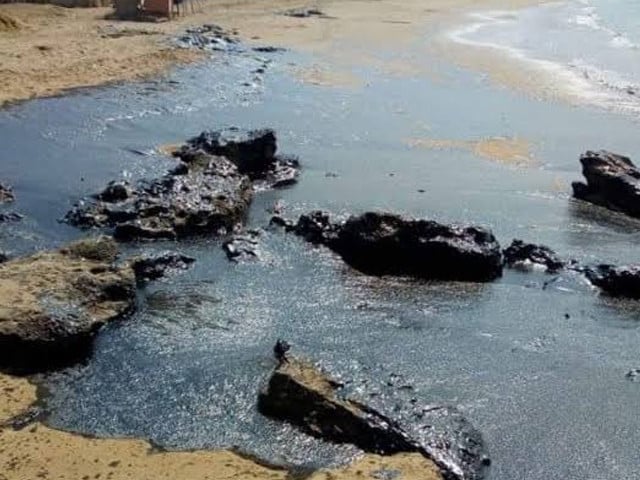
GWADAR: A large oil spill has polluted a lengthy stretch of Gwadar’s western coast, spreading across about 20 kilometres of shoreline and covering beaches with heavy deposits of crude oil, according to local authorities and officials involved in the response.
The contamination has triggered concern among residents and environmental specialists, particularly after several marine animals, including sea turtles, were found dead along the affected coast. The incident has raised fears about damage to marine life, coastal habitats and communities that depend on the sea.
Gwadar Deputy Commissioner Naqeebullah Kakar directed authorities to begin an immediate response after reports of the spill surfaced. Teams from the Gwadar Development Authority were sent to examine the scale of the pollution and look into its source, while municipal workers started removing oil from beaches in an effort to limit further harm. Cleanup work is continuing in multiple affected locations.
Officials have not yet established the exact origin of the spill. Preliminary assessments suggest it may be linked to maritime activity in regional waters. Experts believe the oil could have leaked from a passing cargo ship or tanker operating on international shipping routes in the Arabian Sea, before winds and sea currents carried it towards Gwadar’s coast, where it collected along beaches and coastal zones.
Threat to fragile coastal ecosystem
Environmental specialists have warned that the spill could seriously damage the Makran coast’s sensitive ecosystem. Oil pollution can affect marine species, coastal vegetation, fish breeding areas and migratory wildlife. The discovery of dead sea turtles has added to concern over the immediate consequences for biodiversity, and experts have cautioned that more marine species may be harmed if the cleanup is not carried out quickly.
The spill has also created anxiety among Gwadar’s fishing community, which relies on coastal waters for income and day-to-day survival. Local fishermen fear that polluted waters may reduce fish stocks, damage their equipment and interrupt routine fishing operations. Many households in the area depend entirely on the sector and are concerned that prolonged contamination could undermine their livelihoods.
Community representatives have called on authorities to speed up cleanup efforts and extend support to fishermen if the spread of contamination continues. District officials, for their part, have said they remain committed to restoring the affected coastline and reducing ecological losses, adding that all available resources are being used to manage the situation and protect vulnerable coastal areas.
Environmental experts say the response will need to go beyond beach-cleaning operations. They have urged comprehensive marine surveys, sustained environmental monitoring and tighter oversight of shipping activity near Pakistan’s coastline to help prevent similar incidents in the future.
0 Comments
No comments yet. Be the first to join the discussion!