June 14, 2026
Gold prices shine on PMEX after budget
A post-budget analysis says gold traded on PMEX may benefit most from the FY2026-27 budget as fuel levies, inflation risks and rupee pressure strengthen demand for safe-haven assets. Agricultural commodities may also face cost pressures from higher transport and energy expenses.

June 14, 2026
ISLAMABAD: Pakistan’s federal budget for FY2026-27 is expected to create a more supportive environment for gold and other precious metals traded on the Pakistan Mercantile Exchange (PMEX), with analysts linking the outlook to higher fuel levies, inflation risks, pressure on the rupee and tax-related changes.
A post-budget assessment by KTrade Securities’ Aahil Hirani said the most important implications for PMEX participants were likely to emerge in the gold market, even though the budget also carries consequences for domestic agricultural commodities. The analysis said gold could be among the main beneficiaries of the broader macroeconomic setting taking shape after the budget.
Hirani said the government’s decision to raise the carbon levy would add to inflationary pressure while helping it pursue its petroleum levy target for the coming fiscal year. He told The Express Tribune: "The government has doubled the carbon levy to Rs5 per litre from July 1, 2026. Combined with elevated global oil prices and existing fuel taxes exceeding Rs120 per litre, the measure is expected to sustain inflationary pressures while supporting the government's Rs1.727 trillion petroleum levy target for FY2026-27, signalling continued reliance on fuel taxation as a major revenue source,"
Impact on commodities
The inflationary effects are expected to extend beyond fuel prices because Pakistan’s freight system relies heavily on road transport. As diesel becomes more expensive, transportation costs for farm produce, industrial raw materials and consumer goods are also likely to rise.
For agricultural commodities traded on PMEX, including wheat, cotton, sugar and palm oil, this could raise both production and distribution expenses. Wheat prices may increase due to higher transport and fertiliser costs, while cotton may come under pressure from higher energy bills in ginning. Sugar futures could also find support as mills absorb increased operating expenses.
Palm oil was described as especially exposed because Pakistan imports most of its edible oil needs. Any increase in import costs, freight charges or exchange-rate weakness would likely pass through quickly to local prices.
Why gold may benefit
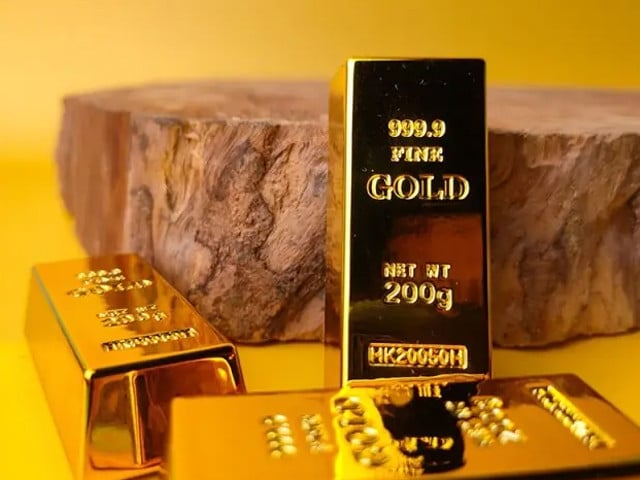
Despite the impact on agricultural commodities, gold remains the clearest beneficiary of the wider economic environment projected under the budget. Gold has historically performed well during periods marked by high inflation, currency weakness and geopolitical uncertainty, conditions the analysis expects to continue in FY2026-27.
The government’s inflation forecast of 8.2% is based on stable oil prices, but ongoing volatility in energy markets could drive inflation higher. In that setting, investors often move savings toward assets viewed as stores of value, strengthening the case for gold.
Rupee and tax factors
Pakistan imports most of its gold requirements, meaning local prices are mainly shaped by international bullion rates and the rupee-dollar exchange rate. Rising oil prices can increase the import bill and strain foreign exchange reserves, which in turn may weaken the rupee. Hirani noted that any depreciation in the local currency is quickly reflected in domestic gold prices.
Because fuel taxation is tied to revenue goals and commitments linked to the International Monetary Fund, there may be limited room to shield consumers from higher oil prices. That dynamic could keep pressure on the current account and the rupee through FY2026-27.
The abolition of capital value tax on certain foreign assets was also seen as a positive development for the gold market.
At the same time, some factors could restrain demand. Tax measures and higher indirect levies in the budget are expected to squeeze disposable incomes for many households, which may weaken jewellery buying and other discretionary purchases of gold, particularly among lower- and middle-income consumers. Even so, gold’s role as an inflation hedge and protection against currency weakness was likely to outweigh any decline in jewellery demand, leaving the outlook for PMEX gold contracts stronger than for most other commodity classes.
0 Comments
No comments yet. Be the first to join the discussion!