SC settles dispute over drug test report requirements in narcotics cases
The Supreme Court has ruled that mentioning full protocols in drug test reports under the unamended 2001 rules is directory, not mandatory. The 4-1 judgement resolves conflicting precedents on the evidentiary value of forensic reports in narcotics cases.

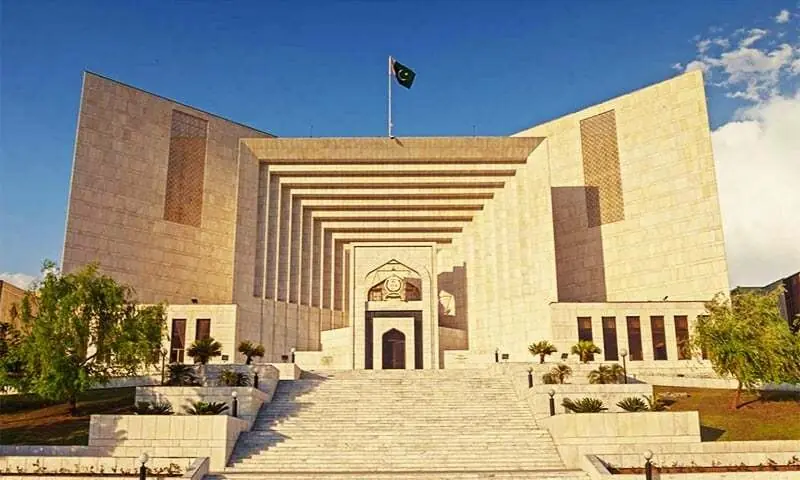
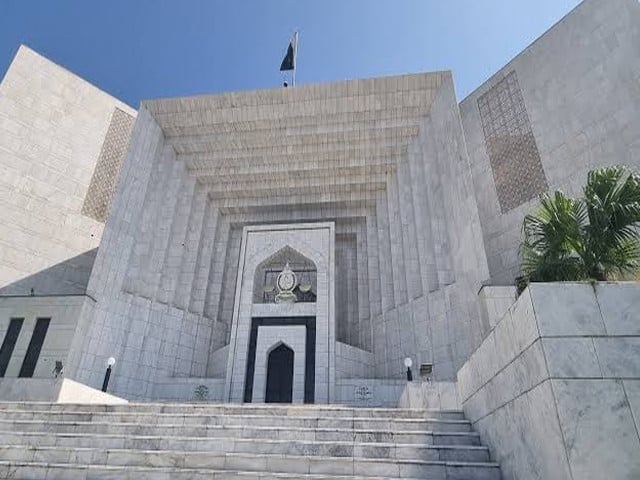
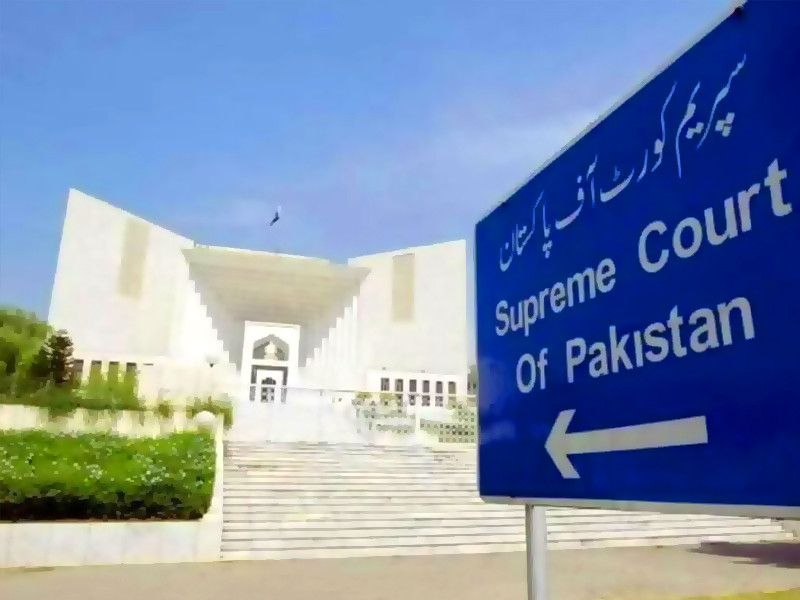
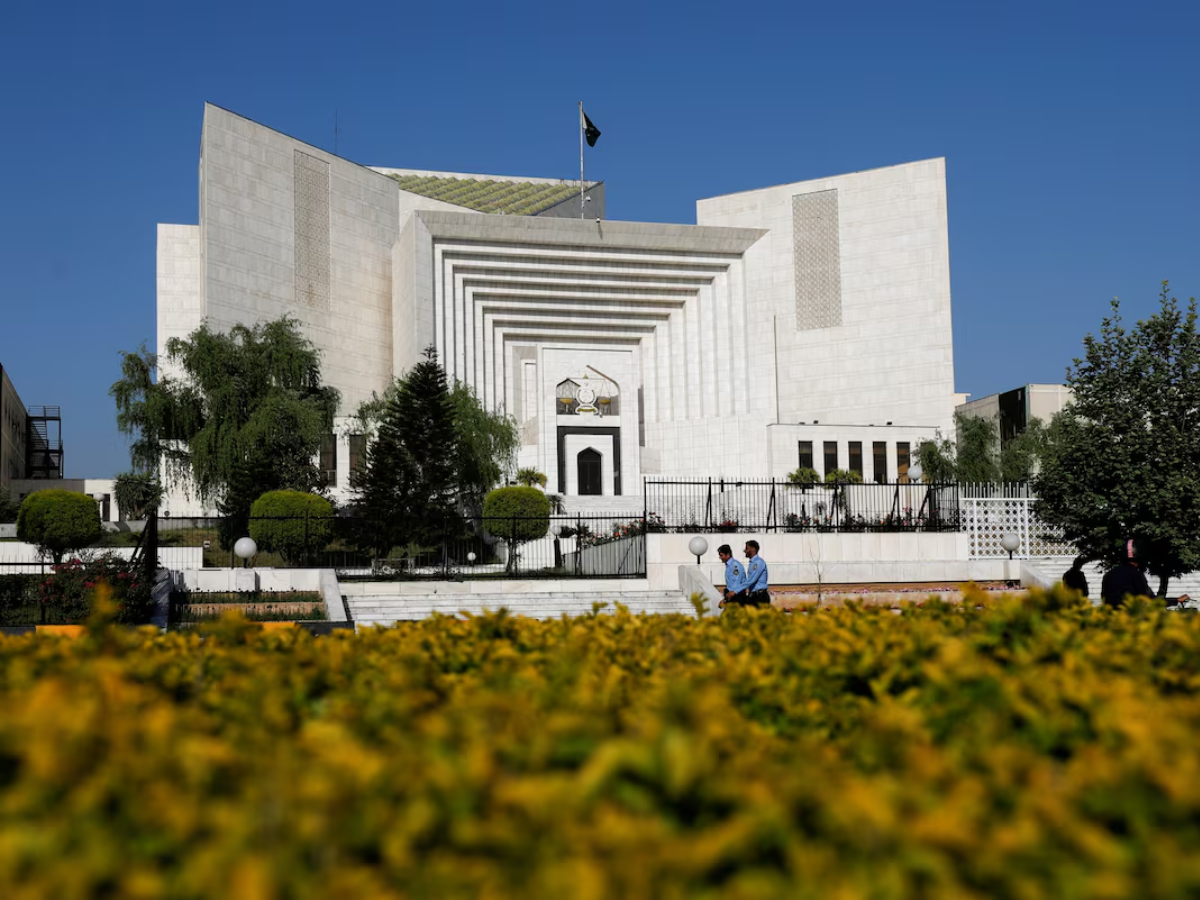
ISLAMABAD: The Supreme Court on Wednesday resolved a long-standing legal dispute over forensic analysis in narcotics cases, holding that under the Control of Narcotic Substances (Government Analysts) Rules, 2001, the requirement to mention full protocols in government analysts’ reports was directory and not mandatory.
In a 4-1 majority ruling, a five-member bench led by Justice Jamal Khan Mandokhail said the requirement under the unamended Rule 6 of the 2001 Rules did not have to be treated as mandatory. Justice Malik Shahzad Ahmad Khan dissented. The bench also comprised Justice Muhammad Hashim Khan Kakar, Justice Salahuddin Panhwar and Justice Ishtiaq Ibrahim.
The court further ruled that identifying and stating the names of internationally recognised tests listed in clauses (i) to (vii) of Explanation II to the amended Rule 6 would amount to full and sufficient compliance with the rule.
Bench addressed conflicting precedents
The larger bench had taken up a set of petitions raising a common legal question about the admissibility of forensic experts’ reports under Section 36 of the Control of Narcotic Substances Act, 1997, and Rule 6 of the 2001 Rules. It was constituted to settle inconsistencies in earlier Supreme Court rulings.
According to the 14-page judgement authored by Justice Mandokhail, the court framed a series of questions during the hearing and answered them in its ruling. One of the central questions was whether the requirement in the unamended Rule 6 to mention full protocols in reports was mandatory or directory. The court held that it was directory.
The judgement said that non-compliance with the requirement to mention protocols under the original Rule 6 would not invalidate a report or strip it of evidentiary value under Section 36(2) of the 1997 Act. It also said the unamended Rule 6 would apply to all cases and FIRs registered before the amendment.
The court noted that in 2015, in Ikram Ullah and other cases, the Supreme Court had held that mentioning full protocols in the report was mandatory and that failure to do so affected its evidentiary worth. However, it said that in 2011, in Gul Alam and other cases, a different view had been taken.
Court explains scope of the ruling
The judgement said there was a clear difference between following protocols during testing and analysis and mentioning those protocols in the final report as evidence of the procedure adopted by the analyst. It said the purpose of the unamended Rule 6 was to place the necessary facts, information and procedural details before the court so it could arrive at a correct conclusion.
The court also pointed to safeguards available under the law. It said that under Section 36 of the 1997 Act and the proviso to Section 510 of the Code of Criminal Procedure, a court may summon and examine the analyst along with the record if it considers such examination necessary in the interest of justice.
According to the judgement, this was a sufficient statutory safeguard for the rights and interests of the accused. At the same time, it said this did not relieve government analysts of their responsibility to include necessary details in reports to support the safe administration of justice and to avoid unnecessary summoning.
The court held that the word shall in the unamended Rule 6 was directory. It said the condition requiring full protocols in reports was a direction to government analysts in the discharge of a public duty rather than a substantive legal requirement. The judgement added that if protocols were not mentioned in the report, the fact that the analyst had observed full protocols during testing and analysis could still be established through other evidence or through the analyst’s testimony.
It further said the unamended Rule 6 did not prescribe any consequence for failure to mention full protocols in the report. As a result, omission to mention them was a procedural defect that could be cured or rectified, making it an irregularity rather than an illegality. The court said such a defect did not destroy the evidentiary value of a report and could not defeat the purpose and object of the 1997 Act.
The judgement clarified that it addressed divergent views in earlier categories of cases and would have no retrospective effect. It also said the court would not examine the merits of the individual cases before it.
Comments
No comments yet. Be the first to join the discussion!