June 28, 2026
SC issues guidelines for stronger evidence-based narcotics trials
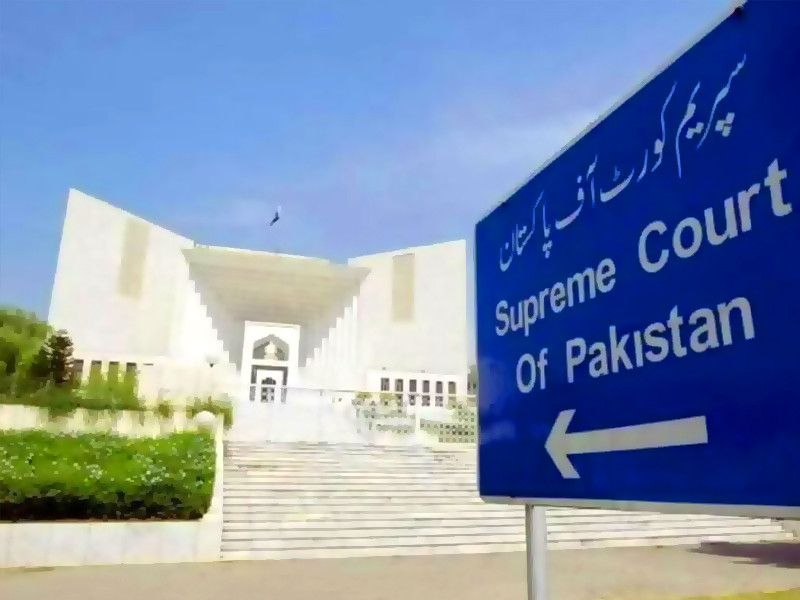
The Supreme Court has issued guidelines for courts and law enforcement agencies to improve narcotics trials, citing persistent investigative and procedural flaws. The bench also set aside life sentences in a Jacobabad case involving 26kg of narcotics.

June 28, 2026

ISLAMABAD: The Supreme Court has voiced concern over repeated weaknesses in the investigation and prosecution of narcotics cases and has issued broad directions for courts and law enforcement agencies across the country to improve how such trials are handled.
A three-member bench comprising Justice Hashim Khan Kakar, Justice Salahuddin Panhwar and Justice Ishtiaq Ibrahim made the observations while hearing an appeal in a narcotics case from Jacobabad, Sindh. The case related to the recovery of 26 kilogrammes of narcotics from a vehicle, with the appellants challenging their convictions.
Counsel for the petitioners argued before the court that the prosecution had not established a link between the recovered narcotics and the driver. After reviewing the record, the bench set aside the life imprisonment terms and fines of Rs500,000 each awarded to the accused, holding that major flaws in the investigation and evidentiary material made the convictions unsustainable.
Court flags recurring flaws
The bench took exception to what it described as recurring shortcomings in investigations, procedural lapses and legal defects that have weakened the prosecution of narcotics offences. It observed that such deficiencies continue to affect the handling of drug-related cases in courts.
The court also noted a broader pattern in the enforcement system, observing that prosecutions often end up targeting minor carriers and street-level offenders, while larger traffickers, wholesale dealers and other central figures involved in the production, supply, smuggling and distribution of narcotics frequently remain beyond the effective reach of law enforcement agencies.
The judgment, as reported, is aimed at strengthening the prosecution of narcotics offences nationwide by setting out guidance for both the judiciary and investigative authorities. The directions came in the context of the court’s concern that persistent defects in case preparation and evidence collection were undermining the effective prosecution of such offences.
The observations were made in the Jacobabad appeal after the court examined the record in the case and concluded that the convictions could not stand in view of the defects identified in the investigation and evidentiary record.
0 Comments
No comments yet. Be the first to join the discussion!