SC reserves verdict on plea to grant relief to women in drug cases
The Supreme Court has reserved its verdict on a petition seeking probation instead of imprisonment for women convicted in narcotics cases. The plea was raised in an appeal by Wajahat Bibi, who is serving an 18-year sentence in a Sialkot drug case.

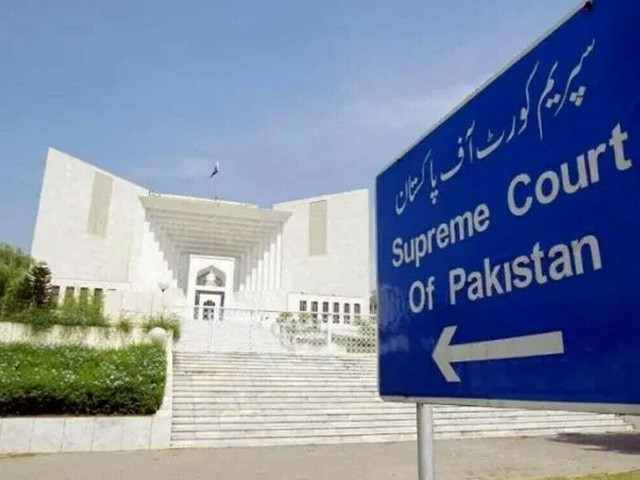
ISLAMABAD: The Supreme Court of Pakistan on Thursday reserved its judgment on a constitutional petition seeking that women convicted in narcotics cases be released on probation instead of serving prison sentences.
A three-member bench headed by Justice Muhammad Hashim Khan Kakar, and comprising Justice Ishtiaq Ibrahim and Justice Salahuddin Panhwar, concluded proceedings after hearing detailed legal and constitutional arguments on the matter.
The petition contends that, in light of constitutional principles and established judicial leniency, women convicted in drug-related offences should be considered for rehabilitation through conditional release rather than incarceration. It argues that similar relief is already extended under the law to juveniles and certain other categories of offenders.
The case arose from an appeal filed by Wajahat Bibi, who is currently serving a cumulative 18-year sentence in a Sialkot narcotics case involving the alleged supply of 2kg of charas and 2kg of opium.
Her counsel, Shan Zeb Khan, argued that Section 9(a)(2) of the Control of Narcotic Substances Act, 1997 allows juveniles to be granted probation, while Section 5(2) of the Probation of Offenders Ordinance permits courts to extend similar relief to women offenders.
He maintained that only those convicted of capital offences are excluded from such concessions, and that women sentenced from short-term imprisonment up to life terms may legally qualify for probation. On this basis, he urged the court to extend the same relief to the petitioner.
After hearing the arguments, the bench reserved its verdict, which is expected to be announced later this month.
Legal experts note that if the petition is accepted, it could have far-reaching implications, potentially opening the door for women convicted in various offences to seek release on probation instead of serving custodial sentences.
Comments
No comments yet. Be the first to join the discussion!