June 16, 2026
SC judge warns fake narcotics cases are common, calls for strict safeguards
Justice Malik Shahzad Ahmad Khan, in a dissenting opinion, said false narcotics recoveries are common and urged strict interpretation of drug laws. He argued full testing protocols in analyst reports are essential for fair trial safeguards.

June 16, 2026
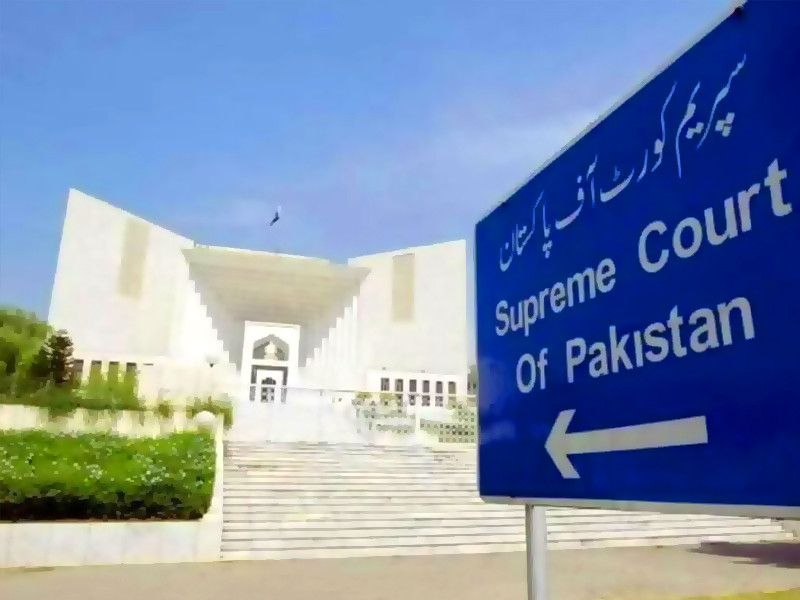
ISLAMABAD: Supreme Court Justice Malik Shahzad Ahmad Khan has said the planting of false narcotics recoveries against innocent people is common in society, including in cases involving opposition politicians and people who have disputes with police officials or influential individuals.
The observation came in a 14-page dissenting opinion issued while a larger bench examined legal questions about the admissibility of forensic experts’ reports under Section 36 of the Control of Narcotic Substances Act, 1997, and Rule 6 of the Control of Narcotic Substances Rules, 2001. The larger bench had been formed to settle a controversy created by inconsistent Supreme Court rulings on whether government analysts must include full testing protocols in their reports.
The court had ruled in 2015 that stating full protocols in such reports was mandatory and that failure to do so undermined their evidentiary value. In another case, however, the Supreme Court took the opposite view. The majority judgment in the present matter held that the requirement under the unamended Rule 6 of the 2001 Rules — requiring government analysts to submit test results along with full details of the tests used — was directory rather than mandatory.
Justice Khan disagreed, saying every citizen is entitled under Articles 4 and 10-A of the Constitution to be treated in accordance with law and to receive a fair trial and due process. He said strict construction of the narcotics law and its rules was necessary to reduce the risk of falsely implicating innocent people.
In his opinion, the judge said: "The practice of planting fake recoveries of narcotics against innocent persons including the politicians belonging to opposition parties, as well as, persons having enmity with the police officials or influential persons, is common in our society, therefore, in order to rule out or at-least minimize the possibility of false involvement of any innocent person in the cases registered under the provisions of the Control of Narcotic Substances Act, 1997 (Act, 1997), the provisions of the Act ibid and rules made thereunder be construed strictly,"
Justice Khan said the central issue before the larger bench was whether mentioning full protocols — including details of the tests applied, the steps followed during those tests and their results — was mandatory, and whether a report that did not disclose them lost its evidentiary value. He warned it would be highly risky to treat a report as valid merely because it named internationally recognised tests without setting out the full protocols.
He further observed that the main purpose of the Control of Narcotic Substances Act is to prevent the use, sale, purchase and transport of narcotics, but if a chemical examiner does not state full protocols, that omission may create doubt in the prosecution case and lead to acquittal. At the same time, he said non-compliance with Rule 6 could also prejudice an accused person who may have been falsely implicated.
Justice Khan also noted that when government analysts are summoned by courts, they usually try to defend their reports by saying the prescribed protocols were followed and all legal requirements were met during testing. He said summoning analysts, calling records and cross-examining them wastes court time, burdens the public and adds to the government exchequer’s expense.
He added that government analysts and experts are usually not summoned by courts, and when they are, they vigorously defend their reports because they could otherwise face penal consequences or departmental proceedings for issuing a defective report. In his view, Section 510 of the Criminal Procedure Code does not provide sufficient statutory protection for the rights and interests of the accused.
The judge said that since Section 510 CrPC exempts a government analyst from personal appearance unless summoned by the court, it would be better for analysts to include all details of their tests, analyses and results in their reports from the outset. He said doing so would help avoid unnecessary summonses and would better serve the safe administration of justice, transparency and fair play.
0 Comments
No comments yet. Be the first to join the discussion!