‘When Iran decides’: Tehran rejects US proposal, sets terms to end war
Iran has dismissed a US proposal to end the ongoing conflict, insisting it will determine the timing and conditions for a ceasefire. Tehran outlines five key demands, including reparations and authority over the Strait of Hormuz.

Tehran says it will decide timing of war’s end, not US President Donald Trump
Iran outlines five key conditions, including reparations and Strait of Hormuz authority
‘No negotiations’ unless demands met as Tehran vows continued military response
Pakistan conveyed US proposal, with Turkiye, Pakistan eyed as potential venues for talks
US pursuing diplomacy through multiple channels; proposals termed ‘excessive’ by Iran
TEHRAN/ISLAMABAD/WASHINGTON: Iran has rejected a US proposal aimed at ending the ongoing US-Israeli war, stating it will determine “the timing and terms of any ceasefire based on its own conditions,” according to Iran’s state broadcaster Press TV.
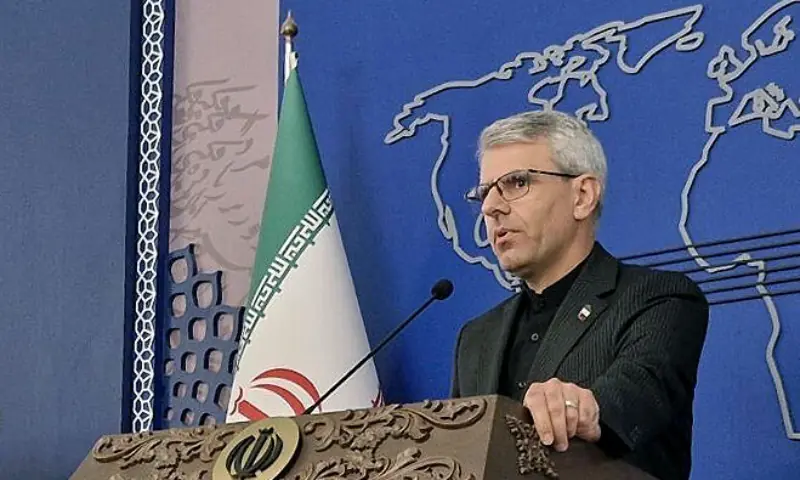
Citing a senior political-security official, the report said Tehran had “responded negatively” to the proposal conveyed through Pakistani diplomatic channels, asserting that it would not allow US President Donald Trump to dictate when the war should end.
Iran has responded negatively to an American proposal aimed at ending the ongoing imposed war, insisting that any cessation of hostilities will only occur on Tehran's own terms and timeline, a senior political-security official told Press TV on Wednesday.https://t.co/2foRQj5kJw
— Press TV 🔻 (@PressTV) March 25, 2026
“Iran will end the war when it decides to do so and when its own conditions are met,” the official said, reaffirming the country’s resolve to continue its defence and inflict “heavy blows” on its adversaries until its demands are fulfilled.
The development comes amid reports that Pakistan conveyed a US proposal to Iran, with both Pakistan and Turkiye being considered as potential venues for talks aimed at de-escalating the conflict in the Gulf.
According to the report, Washington has been pursuing negotiations through multiple diplomatic channels, but Tehran views the US proposals as “excessive” and disconnected from battlefield realities.
The Iranian official outlined five key conditions for ending the war:
A complete halt to “aggression and assassinations”
Concrete guarantees preventing the reimposition of war
Clearly defined compensation and reparations for damages
A comprehensive end to hostilities across all fronts and allied groups in the region
International recognition and guarantees of Iran’s sovereign authority over the Strait of Hormuz
The official added that these demands build upon positions presented during the second round of negotiations in Geneva, held shortly before renewed US and Israeli strikes on February 28.
Tehran has also conveyed to intermediaries that no negotiations will take place unless its conditions are fully accepted, reiterating that military operations would continue until then.
“The end of the war will occur when Iran decides it should end, not when Trump envisions its conclusion,” the official said.
Earlier, US media reported that Washington had put forward a peace plan, with President Trump expressing optimism about ending nearly a month-long conflict.
“We’re in negotiations right now,” Trump told reporters at the Oval Office, adding cryptically that a recent development related to the Strait of Hormuz signaled progress, though he did not elaborate.
.@POTUS on Iran: "We're in negotiations right now... I can tell you, they'd like to make a deal — and who wouldn't if you were there? Look, their navy's gone, their air force is gone, their communications are gone... pretty much everything they have is gone." pic.twitter.com/PlEpYkGbyA
— Rapid Response 47 (@RapidResponse47) March 24, 2026
Separately, a senior Iranian official told Reuters that Pakistan had indeed delivered a US proposal, and that Pakistan or Turkiye could host potential talks, indicating limited openness to diplomatic engagement despite Tehran’s public stance rejecting negotiations.
However, details of the proposal remain unclear, including whether it aligns with a reported 15-point US plan, which Israeli sources say includes removing Iran’s highly enriched uranium stockpiles, halting enrichment, curbing its ballistic missile programme, and ending support for regional allies.
In contrast, Iran’s Ambassador to Pakistan, Reza Amiri Moghadam, denied that any talks—direct or indirect—had taken place between Tehran and Washington.
“We have also heard such reports through the media, but according to my information, no negotiations have taken place so far,” he said, adding that friendly countries, including Pakistan, were naturally engaged in consultations to help end what he described as “illegitimate aggression.”
The latest developments highlight the deep divide between Washington and Tehran, even as diplomatic channels remain active behind the scenes to explore a possible path toward de-escalation.
Comments
No comments yet. Be the first to join the discussion!