Iran reviews US proposal to halt war as wider regional tensions persist
Iran is reviewing a proposed US deal to halt the war as negotiations continue amid a fragile ceasefire and regional tensions. The deadlock has kept the Strait of Hormuz largely shut while fighting and diplomacy continue in Lebanon.

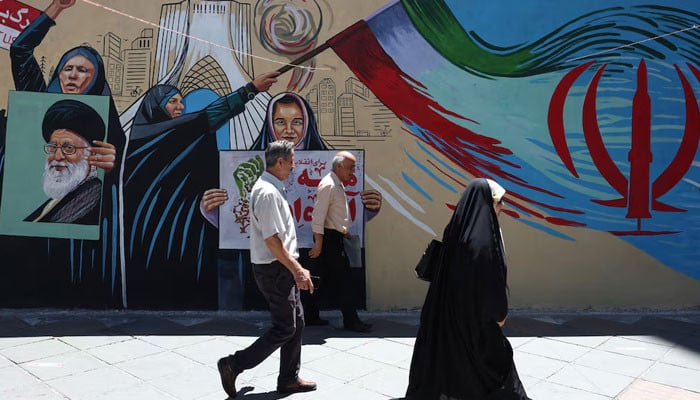
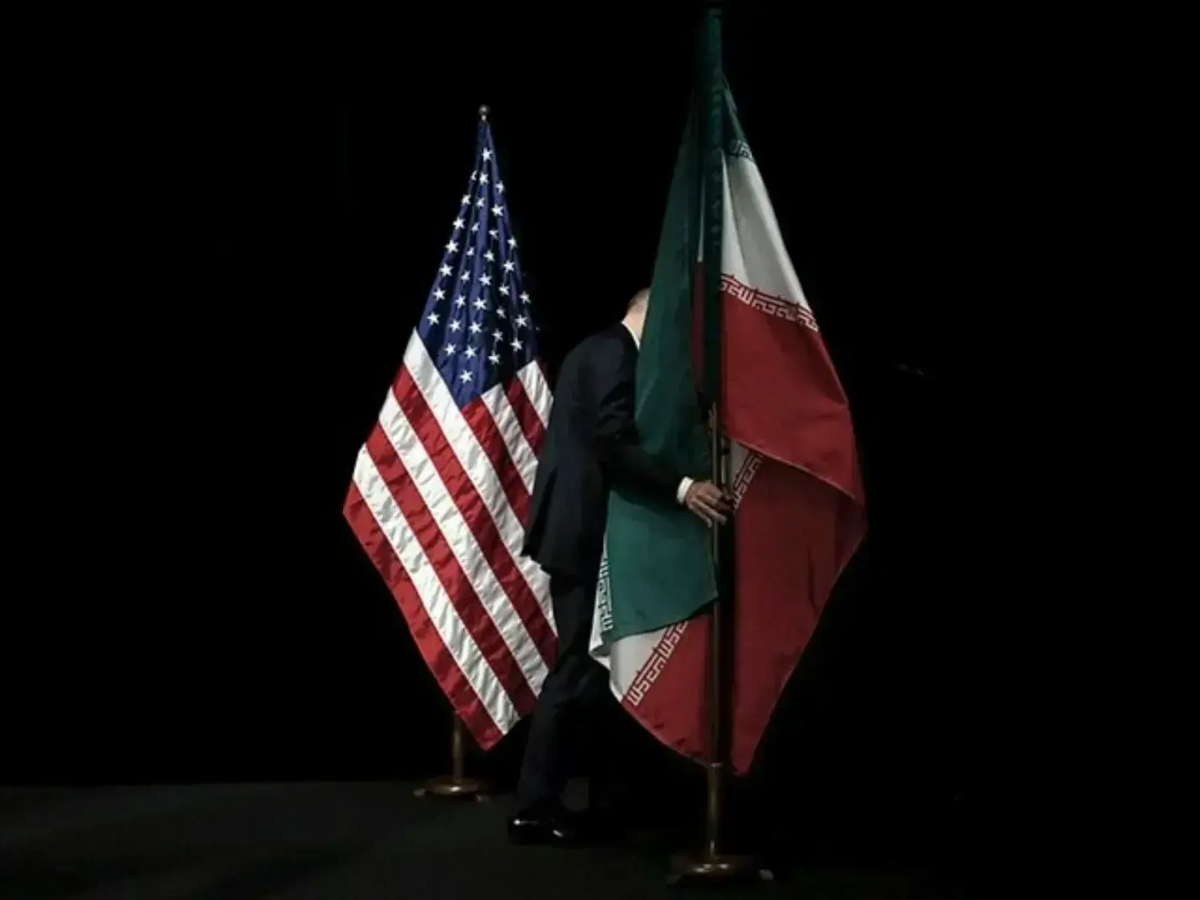
DUBAI: Iran is examining a proposed agreement with the United States to stop the war, Iranian media reported on Tuesday, after US President Donald Trump said talks were still under way.
More than three months after the United States and Israel began strikes on Iran, the conflict has settled into a deadlock. Efforts to secure an interim arrangement have not produced a breakthrough, while the Strait of Hormuz has remained largely closed.
Mehr News Agency, citing a source, reported that Tehran had yet to reply to the proposed final draft of the temporary arrangement and was adopting a stern position because of what it sees as a record of US non-compliance and deep mistrust. Trump said Monday that negotiations with Iran were continuing and that a deal could be reached within the next week to extend a ceasefire agreed in early April and reopen the Strait of Hormuz.
Since mid-March, Trump has repeatedly said he was close to a peace agreement, although any such understanding would defer difficult questions, including the future of Iran’s nuclear programme. While the ceasefire has largely held since early April, Iran and the US have still traded strikes several times over the past week.
Oil route and market pressure
Oil prices dropped by more than 1% on Tuesday, reducing some of the previous day’s gains. A senior official of the International Energy Agency warned that global oil inventories could fall to historically low levels.
The war, which began on February 28, has killed thousands of people, mainly in Iran and Lebanon. It has also strained the global economy by driving up energy prices after Iran effectively shut the Strait of Hormuz, which had previously carried about a fifth of worldwide oil and liquefied natural gas supplies.
In the broader negotiations, Iranian sources said Tehran is seeking a limited interim deal to reduce economic pressure while avoiding major concessions on its nuclear programme. As part of any arrangement, Iran is seeking an end to hostilities on all fronts, including Lebanon, access to billions of dollars in oil revenues, waivers for crude exports, removal of a US blockade on its ports, and continued leverage over the Strait of Hormuz.
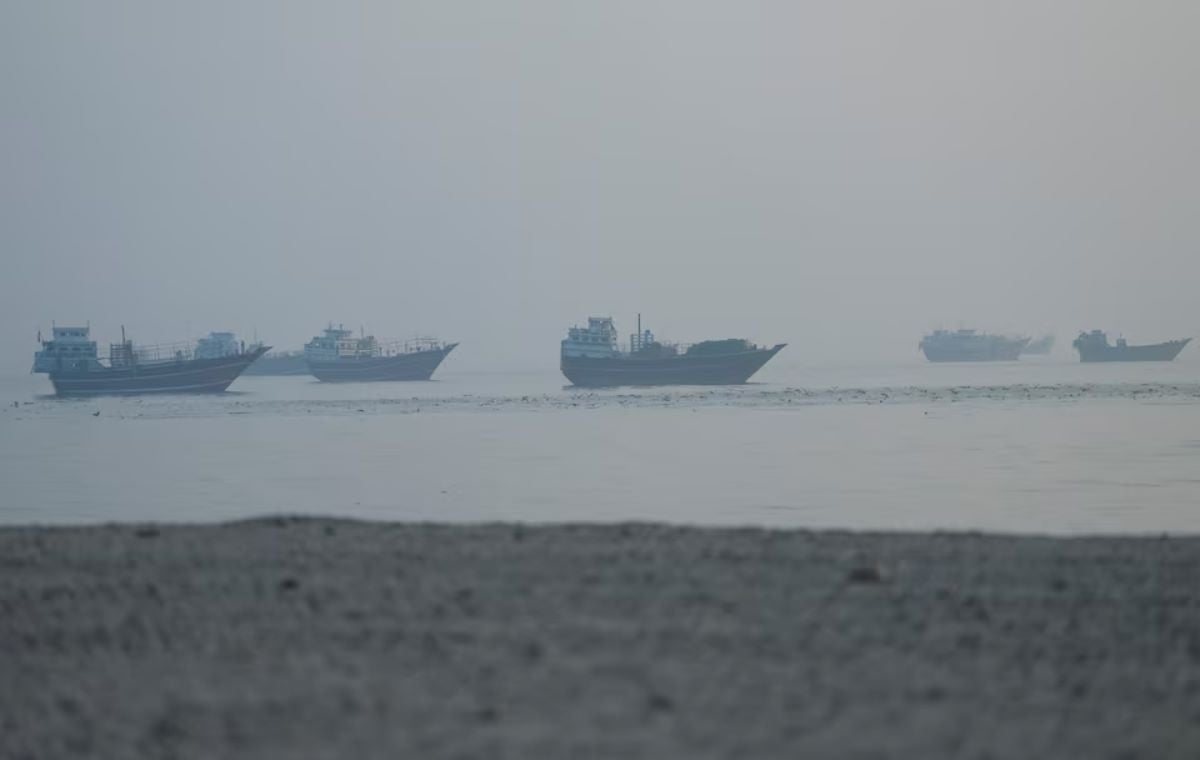
Trump is under pressure to reopen the strait and lower US fuel prices without offering concessions to Tehran. Iran’s Islamic Revolutionary Guard Corps said on Tuesday that 24 vessels had passed through the strait in the previous 24 hours after receiving permission from the Guard’s navy.
Iran also threatened on Monday to widen its blockade to the Bab El Mandeb Strait, another strategic maritime chokepoint at the entrance to the Red Sea, if Israel resumed strikes on Beirut.
The world’s largest shipping group, MSC, said Tuesday that one of its ships was hit by two projectiles while at Iraq’s Umm Qasr port a day earlier. Iran’s Revolutionary Guards said they carried out the attack in retaliation for a US strike on an Iranian vessel in the Gulf of Oman.
Fighting and ceasefire efforts in Lebanon
The war also set off the latest round of fighting between Israel and Hezbollah, with Israel carrying out its deepest incursion into Lebanon in 25 years.
On Tuesday, Israel continued strikes on several towns in southern Lebanon, Lebanese security sources said, a day after US mediation appeared to have prevented an immediate escalation. A partial ceasefire announced by Lebanon on Monday would mean Israel refraining from strikes on Beirut and Hezbollah-held southern suburbs of the capital, while Hezbollah would stop attacks on Israel.
Even so, many Lebanese remained unconvinced, with 1.2 million displaced and the sound of an Israeli drone over Beirut adding to public anxiety on Tuesday.
Speaking after fleeing from Beirut’s southern suburbs to a displacement camp on Monday, Faten Al Chehime said residents feared being uprooted again shortly after returning home.
"Every time we return to our homes, there is a warning for us to be displaced again."
Lebanon said it would seek to broaden the ceasefire in talks with Israel in Washington on Wednesday. Israeli Prime Minister Benjamin Netanyahu is facing domestic criticism over any arrangement that limits further attacks on Beirut ahead of an election later this year that he is projected to lose.
Comments
No comments yet. Be the first to join the discussion!