June 15, 2026
US, Iran announce framework to end war and reopen Strait of Hormuz
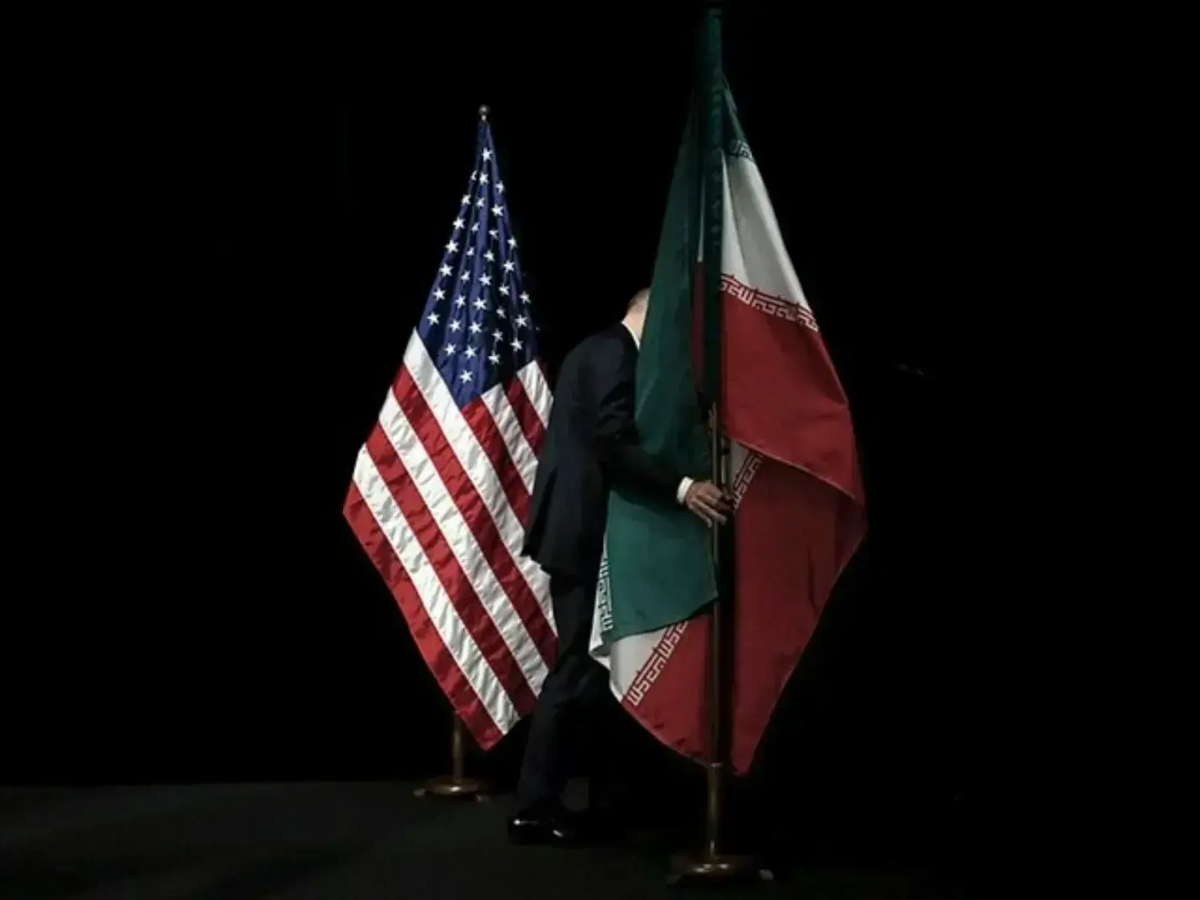
The US and Iran say they have agreed to a framework to end their war and reopen the Strait of Hormuz, with a formal signing planned in Switzerland on Friday. Oil prices fell on the news, while nuclear and sanctions issues were left for later talks.

June 15, 2026
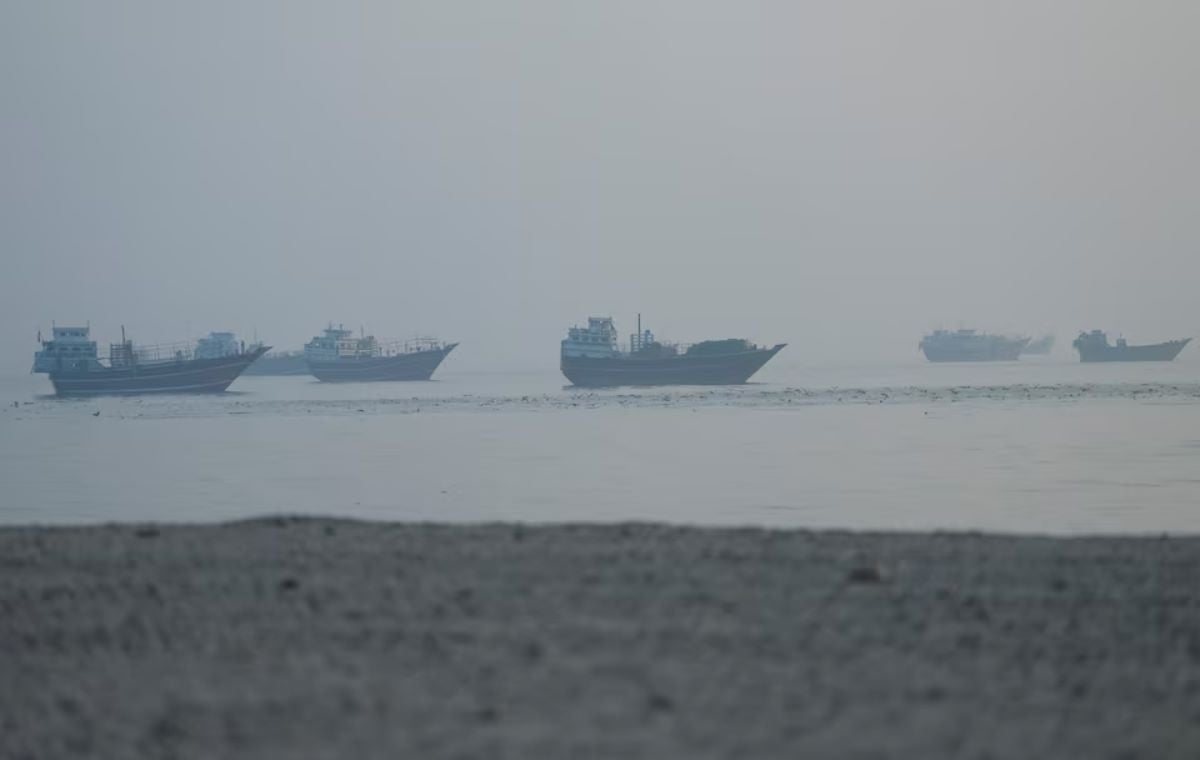
WASHINGTON: The United States and Iran said they had agreed on a framework to stop their war and reopen the Strait of Hormuz, a move that eased pressure on global energy markets but left major issues including Tehran’s nuclear programme for later negotiations.
The breakthrough, described as the most significant step so far toward ending a conflict that began with joint US-Israeli strikes on Iran in February, was announced after weeks of talks. The war has killed thousands and disrupted energy markets.
US President Donald Trump wrote on Truth Social on Sunday that the agreement had been finalised, shortly after Prime Minister Shehbaz Sharif announced that a deal had been reached. The memorandum of understanding is due to be formally signed in Switzerland on Friday, though the detailed terms were not immediately made public.
In a post on X, Shehbaz said the agreement provided for "the immediate and permanent termination of military operations on all fronts, including in Lebanon"
Lebanon remains a central issue
Lebanon has been one of the main obstacles in the negotiations. While Washington and Tehran had largely reduced direct hostilities during the talks, fighting linked to the wider conflict continued there. Around 1.2 million people have been displaced by an Israeli offensive against Hezbollah, which began firing on Israel in support of Tehran on March 2.
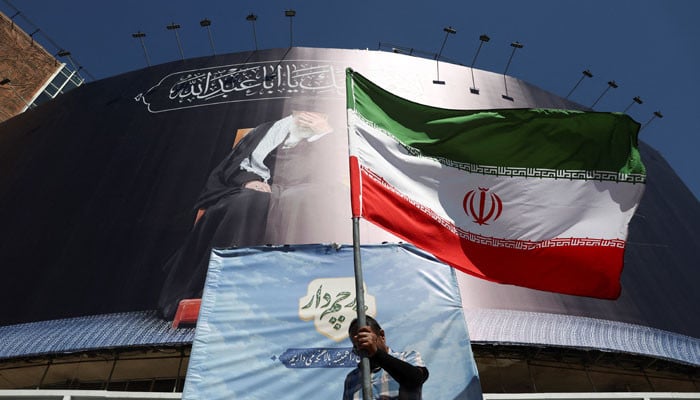
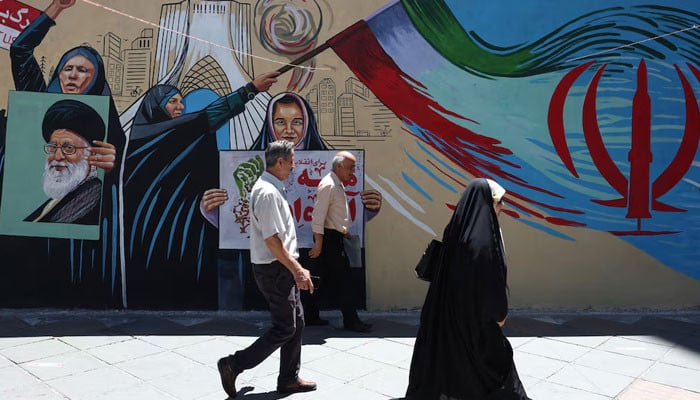
The secretariat of Iran’s Supreme National Security Council said war and military operations on all fronts, including Lebanon, would end permanently starting on Monday night. Iranian Foreign Minister Abbas Araghchi said Israeli attacks on Lebanon must stop completely and said on Telegram that the United States was responsible for implementing the framework agreement.
Hezbollah had not publicly commented on the US-Iran understanding, but Lebanese and foreign security sources told Reuters the group last fired at Israel before midnight on Sunday and had carried out no operations after that. The same sources said the pace of Israeli attacks had fallen sharply.
Israeli Prime Minister Benjamin Netanyahu had not publicly responded to the agreement at the time. However, Defence Minister Israel Katz said Israel would oppose any pressure to pull its forces out of areas it occupies in southern Lebanon.
Hormuz reopening and market reaction
Trump said the Strait of Hormuz, a critical route for global oil and gas shipments that Iran had effectively closed for months, would reopen on Friday. He also said he had ordered an end to the US blockade of Iranian ports.
Trump wrote: "Ships of the world, start your engines. Let the oil flow!"
Oil prices dropped after the announcement, although shipping companies remained cautious and the clearing of any mines in the waterway could take weeks. Brent crude futures were down about 5% on Monday, while stock markets moved higher.
Nuclear and sanctions issues deferred
The agreement was reached despite an Israeli strike on Lebanon on Sunday that drew criticism from both Iran and Trump. Iran’s deputy foreign minister, Kazem Gharibabadi, said a broader agreement on the wider conflict would be negotiated during a 60-day ceasefire period, including sanctions relief for Iran.
The future of Iran’s nuclear programme is also to be taken up in those follow-up talks. Sources had earlier told Reuters that the eventual agreement would lead to the dismantling of Iran’s nuclear programme, with its stockpile of highly enriched uranium to be destroyed and removed. But a senior Iranian official had said before the announcement that the draft would instead allow Iran, which denies seeking a nuclear bomb, to dilute its enriched uranium inside the country.
Before the deal was announced, the same senior Iranian official told Reuters that the draft included the release of $25 billion in frozen Iranian assets by the United States.
During his first term, Trump withdrew Washington from the 2015 multilateral nuclear deal negotiated under former president Barack Obama, under which sanctions on Tehran were lifted in exchange for limits on its nuclear activities and international inspections. Iran then increased uranium enrichment, producing more than 400 kilogrammes of material at near bomb-grade purity.
International reaction and political pressure
Leaders from outside the Middle East welcomed the announcement. Britain, Germany, France and Italy said in a joint statement that they were prepared to lift sanctions on Iran if it took clear and verifiable steps to restrict its nuclear programme. China also welcomed the agreement.
Leaders of the Group of Seven were due to arrive at a lakeside resort in France on Monday, where Trump was expected to face questions about the terms of the deal.
The war had become a political burden for Trump and Republican lawmakers, with US consumers frustrated by higher petrol prices ahead of November’s midterm elections. At the same time, Trump has faced pressure from within his own party from those demanding the complete shutdown of Iran’s nuclear programme.
0 Comments
No comments yet. Be the first to join the discussion!