Iran says Hormuz open to commercial shipping as Trump predicts deal soon
Iran says the Strait of Hormuz is reopened to commercial shipping during a US-brokered truce, while Trump predicts an agreement could come soon. Talks continue amid nuclear and sanctions disputes.

WASHINGTON/ISLAMABAD: Iran said on Friday that the Strait of Hormuz had been reopened to commercial shipping during a US-brokered 10-day truce, while US President Donald Trump said an agreement to end the conflict could come soon, though the timing of the next round of talks remained uncertain.
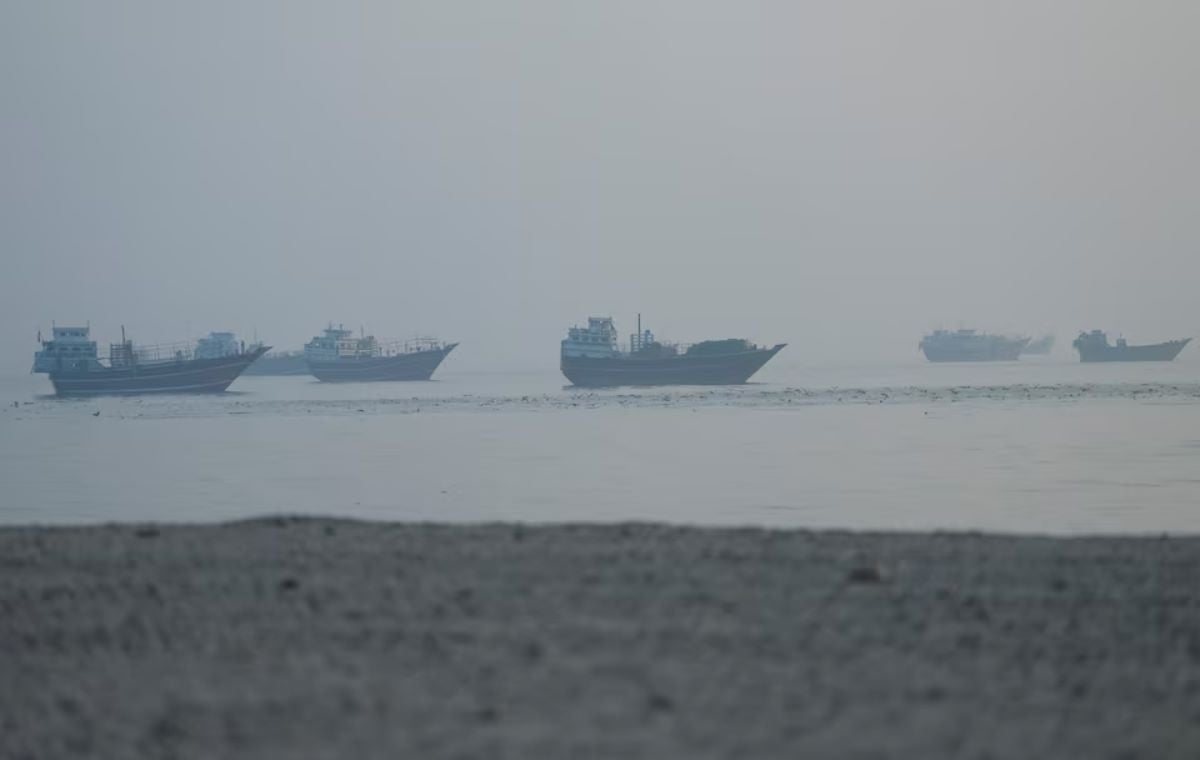
Iranian Foreign Minister Abbas Araghchi said in a post on X that the waterway would remain open to all commercial vessels for the duration of the ceasefire agreed on Thursday between Israel and Lebanon. He said ships would be required to follow the route announced by Iran’s Ports and Maritime Organisation.
The conflict involving the US, Israel and Iran, which began on February 28, has killed thousands and shaken the Middle East. It also effectively shut the Strait of Hormuz, a route through which around a fifth of the world’s oil and liquefied natural gas normally passes, raising fears of a major global energy shock.
Following Araghchi’s statement, oil prices fell about 9%, adding to earlier losses. The International Monetary Fund this week also cut its global growth forecast and warned that a prolonged conflict could push the world economy towards recession.
Soon after the Iranian foreign minister’s statement, Trump wrote on Truth Social that Iran had announced the Strait was fully open and ready for passage. He added, however, that the US military blockade on ships heading to Iranian ports would remain in effect until what he called a final transaction with Tehran was completed.
That blockade was announced after talks between Washington and Tehran in Islamabad ended last weekend without an agreement. Trump said the outstanding issues could be resolved quickly because most points had already been negotiated.
Although Trump said on Thursday that talks could resume as early as this weekend, that appeared less likely by Friday as arrangements for another meeting in Islamabad remained unclear. Iranian sources told Reuters that several gaps still needed to be resolved before even a preliminary agreement could be reached.
Senior clerics in Iran also signalled continued resistance. In Tehran, cleric Ahmad Khatami said the country would not negotiate under humiliation, while in Isfahan another imam said Iran had not accepted the terms proposed by the other side.
In Islamabad, security forces were deployed along key routes into the capital on Friday, but roads stayed open and businesses were not ordered to close, unlike ahead of the previous round of talks.
A Pakistani source involved in mediation said backchannel diplomacy had made progress and that the next meeting could produce a memorandum of understanding, followed by a broader agreement within 60 days. The source said both sides had broadly agreed in principle, with technical details to be settled later.
One of the main unresolved issues remains Iran’s nuclear programme. The United States has proposed a 20-year suspension of all Iranian nuclear activity, while Tehran has suggested a shorter pause of three to five years, according to people familiar with the discussions.
Iran has also pressed for sanctions relief, while Washington wants Tehran’s stockpile of highly enriched uranium removed from the country. Two Iranian sources said there were signs of compromise, with Tehran considering sending part of the stockpile abroad.
Trump said on Thursday that Iran had agreed to return what he called nuclear dust, but Iran’s state media outlet Mizan rejected that claim on Friday. It said no talks had taken place on transferring Iran’s highly enriched uranium to the United States and that there was no agreement on the matter.
Meanwhile, the US-backed ceasefire between Israel and Lebanon appeared to be largely holding on Friday, despite reports from the Lebanese Army of Israeli violations. Pakistan, which is acting as a mediator, said on Thursday that calm in Lebanon was essential for any wider agreement on Iran.
Fighting on the Lebanon front resumed on March 2 when Hezbollah fired on northern Israel in support of Tehran, prompting an Israeli offensive that Lebanese authorities say has killed 2,000 people. Israel’s military did not immediately comment on the reported ceasefire violations.
Comments
No comments yet. Be the first to join the discussion!