Countries seek Hormuz reopening as Trump and Iran exchange threats
Countries discussed ways to restore shipping through the Strait of Hormuz as Donald Trump and Iran escalated threats. Oil prices rose sharply as the conflict continued to disrupt global markets and regional stability.

London: Countries around the world moved on Thursday to find ways to resume energy shipments through the Strait of Hormuz as US President Donald Trump and Iran continued to trade threats, adding to pressure on oil markets and consumers.
The renewed tension came after expectations that Trump might use a Wednesday speech to discuss ending the war did not materialise. Instead, he maintained a hard line and wrote in a social media post:
IT IS TIME FOR IRAN TO MAKE A DEAL BEFORE IT IS TOO LATE
He also shared video of a US strike on the B1 bridge, a newly built structure linking Tehran with the major northwestern suburb of Karaj. The bridge had been due to open to traffic this year. Iran’s state media said eight people were killed and 95 others were injured in the attack.
Iranian Foreign Minister Abbas Araqchi condemned the strike, saying:
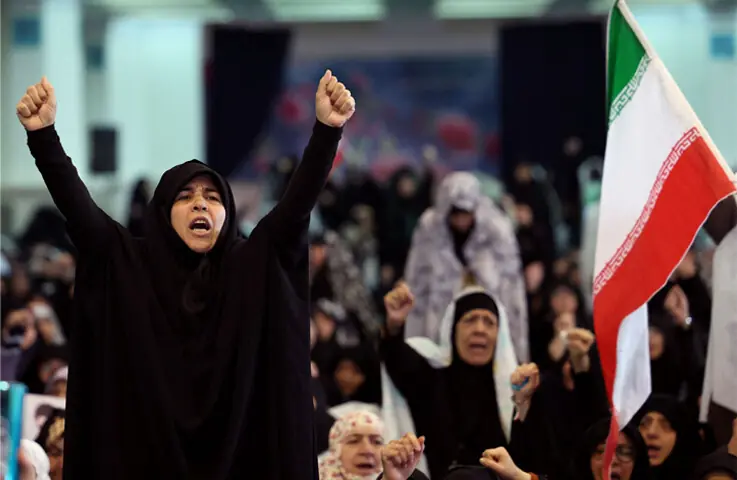
Striking civilian structures, including unfinished bridges, will not compel Iranians to surrender
In his Wednesday night speech, Trump repeated threats against Iran’s civilian power plants and did not offer a clear timetable for ending the conflict. Iran responded with vows of retaliation, while share prices fell. Trump said, "We’re going to hit them extremely hard over the next two to three weeks and added: We’re going to bring them back to the Stone Ages where they belong."
Nearly five weeks after the conflict began with a joint US-Israeli aerial assault, the war has continued to unsettle the region and global financial markets, increasing pressure on Trump to secure a quick end to the fighting.
Efforts to restore navigation
Britain chaired a virtual meeting on Thursday involving about 40 countries to discuss restoring freedom of navigation through the strait. One official said the meeting ended without a specific agreement, though participants agreed that all countries should be able to use the waterway freely.
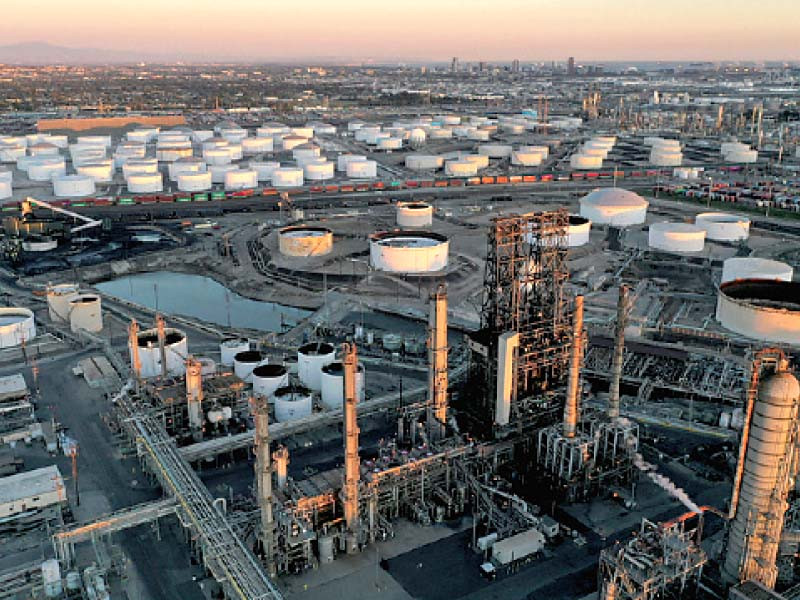
Iran has effectively closed the Strait of Hormuz in response to the US-Israeli attacks that began on February 28. The route normally handles about a fifth of global oil trade. The disruption has fuelled higher oil prices, inflation worries, supply-chain difficulties and broader concerns about the world economy.
Tehran also outlined its own proposal for future management of the strait. According to the official IRNA news agency, Deputy Foreign Minister Kazem Gharibabadi said Iran was preparing a protocol with neighbouring Oman that would require ships to obtain permits and licences. He said, "These requirements will not mean restrictions, but rather to facilitate and ensure safe passage and provide better services to ships that pass through this route."
An Iranian military spokesperson said the strait would remain closed
long termto the United States and Israel.
Oil rises and threats intensify
Benchmark Brent crude climbed about 7 per cent to roughly $108 a barrel, while US bond yields rose and global equity markets surrendered earlier gains. Russel Chesler, head of investments and capital markets at VanEck Australia, said, "The key question in all investors’ minds is when is this going to be over?"
In his Wednesday speech, Trump told countries dependent on fuel shipments through the Strait of Hormuz to
just grab it. But European and other governments have said they would only support efforts to secure the route if a ceasefire is in place. French President Emmanuel Macron said: "It can only be done in consultation with Iran"
Iran’s armed forces answered Trump with a warning that
more crushing, broader and more destructive
permanent regret and surrenderof Iran’s enemies.
Iran’s Fars news agency later named several bridges in Saudi Arabia, Kuwait, Abu Dhabi and Jordan, where US military bases are located, as possible targets in response to the US strike on the B1 bridge. The Revolutionary Guards also said they had targeted an Amazon cloud computing centre in Bahrain.
The conflict has raised fears that Iran could tighten its hold over Middle East energy supplies after demonstrating that it can obstruct the Strait of Hormuz by targeting oil tankers and attacking Gulf states that host US troops.
Comments
No comments yet. Be the first to join the discussion!