Dhaka rebukes New Delhi over response to protest at Bangladesh mission

DHAKA: Bangladesh has strongly rejected India’s description of a protest outside its high commission in New Delhi as “misleading propaganda”, calling the incident highly regrettable and unacceptable while stressing concerns over the safety of its diplomatic personnel.
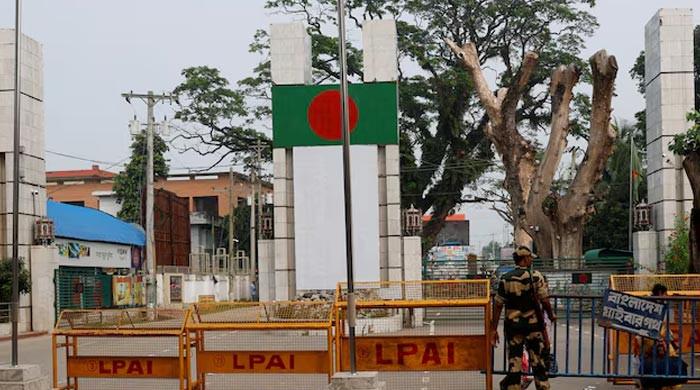
According to Bangladeshi media reports, around 20 to 25 people gathered outside the Bangladesh High Commission in the Indian capital on Saturday evening. Mission officials said the protesters shouted anti-Bangladesh slogans and issued threats against the high commissioner, prompting alarm among staff inside the compound.
India’s external affairs ministry responded on Sunday, with spokesperson Randhir Jaiswal saying New Delhi had taken note of what he described as misleading reporting in sections of the Bangladeshi media. He said the gathering was a protest over the killing of Dipu Chandra Das in Mymensingh and included calls for the protection of minorities in Bangladesh, adding that police dispersed the group within minutes and that there was no attempt to breach security.
Indian officials said visual evidence of the incident was publicly available and reiterated India’s obligation under the Vienna Convention to ensure the safety of foreign diplomatic missions. The ministry also said it remained in close contact with Bangladeshi authorities and had conveyed concerns over attacks on minorities, urging accountability for those responsible for Das’s killing.
In a statement issued later, Bangladesh’s foreign ministry said the incident outside its high commission residence on December 20 could not be dismissed as propaganda. It said protesters were allowed to operate directly outside the perimeter of the mission without prior notice, creating panic among personnel inside the complex.
While acknowledging India’s stated commitment to protecting Bangladeshi diplomatic posts, Dhaka rejected what it described as an attempt to portray the killing of a single Bangladeshi citizen from the Hindu community as broader attacks on minorities. The statement said suspects in the case had been swiftly arrested and argued that intercommunal relations in Bangladesh were better than in many other parts of South Asia.
Bangladesh added that the responsibility to protect minorities lay with all governments in the region, not just Dhaka, and called for restraint and accuracy in official statements.
Relations between Bangladesh and India have remained strained since former prime minister Sheikh Hasina fled to India after a student-led uprising last year. Dhaka has repeatedly sought her extradition to face trial over alleged crimes, while New Delhi has said it is examining the requests.
Tensions have continued to surface in recent weeks, including attempts by protesters in Dhaka to march toward Indian diplomatic missions and India’s expression of concern over what it described as a deteriorating security situation in Bangladesh following deadly unrest linked to political protests.
Comments
No comments yet. Be the first to join the discussion!