










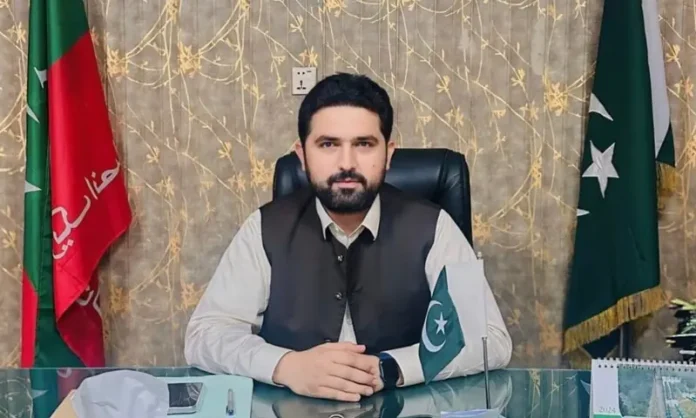
LAHORE: A Punjab Forensic Science Laboratory (PFSL) report has reportedly confirmed the presence of Khyber Pakhtunkhwa Chief Minister Sohail Afridi and several senior Pakistan Tehreek-e-Insaf (PTI) leaders at the scenes of violence on May 9, 2023, marking a significant development in cases stemming from the nationwide unrest that followed the arrest of PTI founder Imran Khan.
According to the official forensic report, the PFSL conducted a detailed audio-visual analysis of videos related to the May 9 incidents at the request of the Peshawar police. The laboratory examined 16 video clips provided on a USB device, analysing them frame by frame to determine authenticity and identify individuals present during the violence.
The unrest erupted after Imran Khan’s arrest in a corruption case on May 9, triggering protests across multiple cities that quickly turned violent. PTI workers attacked and vandalised military installations and state-owned properties, including the Radio Pakistan building.
The forensic analysis found no evidence of editing in several videos, while limited additions of individuals or text were detected in a few clips. Geo News reported that the scope of the examination was strictly limited to visual material.
The report stated that evidence of clip splicing was detected in two videos associated with KP Chief Minister Sohail Afridi and PTI leader Irfan Saleem. A forensic comparison of Afridi’s official profile photograph with footage from the day confirmed that the individual appearing in the video was indeed the chief minister.
Similarly, Irfan Saleem’s presence was verified through a match between his profile image and the person seen in the clips. The laboratory also confirmed PTI leader Kamran Bangash’s presence by matching his profile photograph with video footage, while a clear resemblance was found between former provincial minister Taimur Jhagra’s profile image and the individual appearing in the videos.
The PFSL said the report was prepared between December 19 and December 23, 2025, and reiterated that the findings were based solely on visual forensic analysis.
The development follows directions from an anti-terrorism court, which had sought a police report in the Radio Pakistan attack case. Subsequently, the videos were forwarded to the Punjab Forensic Science Laboratory for forensic examination as part of the ongoing legal proceedings.



WHAT BULLSHIT DO YOU THINK THIS WILL BE CONVINCING ?
BLOODY IDIOTS !!