















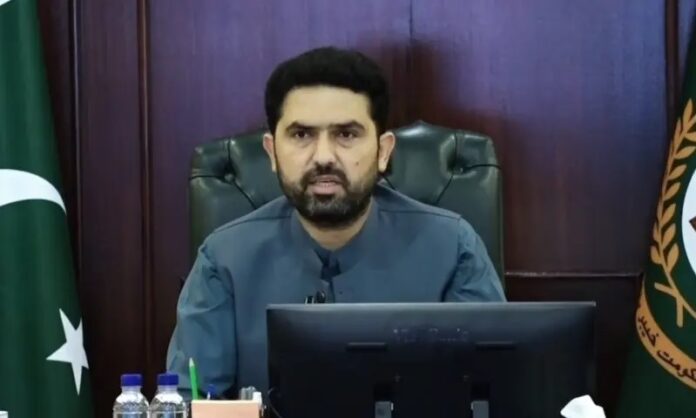
BAJAUR: Khyber Pakhtunkhwa Chief Minister Sohail Afridi on Tuesday launched a province-wide initiative of online open courts, starting from Bajaur district, aimed at directly hearing public grievances and ensuring time-bound resolution of complaints.
During the first virtual session, the chief minister instructed senior officials to address registered complaints within 14 days and submit written progress reports. He said the initiative was part of efforts to strengthen direct public access to the government and improve administrative accountability.
Afridi ordered immediate action on complaints related to shortages of basic facilities in government schools, staff absenteeism and issues faced by teachers working in second shifts. He directed education authorities to prioritise these matters and ensure compliance with existing policies.
He also instructed officials to strictly enforce the minimum monthly wage and ensure that teachers’ salaries are transferred directly into their bank accounts. Emphasising education standards, the chief minister said the policy of maintaining one teacher for every 40 students must be fully implemented across the province.
Addressing transport-related complaints, Afridi ordered strict enforcement of passenger limits and officially notified fare lists on public transport. He warned that licences of transport operators violating regulations would be cancelled.
In the health sector, the chief minister directed authorities to ensure the presence of doctors in hospitals and take swift action on public complaints. He instructed officials to carry out surprise inspections where necessary to improve service delivery.
Afridi also announced the revival of the former FATA Games, saying the move would help promote sports and provide constructive opportunities for youth in the merged tribal districts. He further directed departments to address issues related to damaged link roads, water supply and other essential services in Bajaur.
The chief minister said the online open courts would be expanded to other districts, describing the initiative as a step towards responsive governance and direct engagement with citizens.