
















– Viewer reaction in the comments told a very different story from what the prime minister’s spokesperson for foreign media sought to project.
– Read more to learn how many of 1000 comments actually sided with the government.
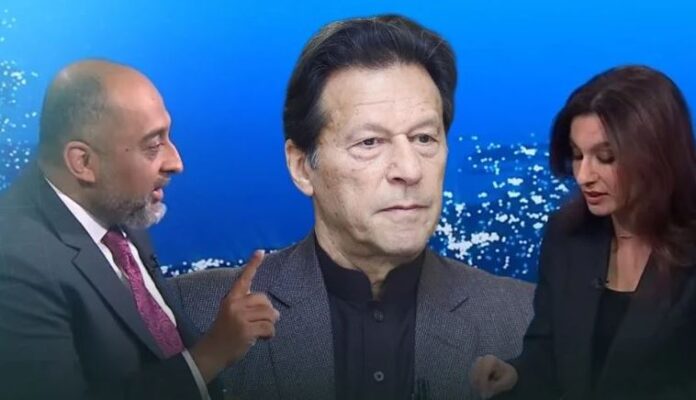
ISLAMABAD: Prime minister Shehbaz Sharif’s spokesperson for foreign media, Mosharraf Zaidi, mounted a forceful defence of the government during a recent international television interview, dismissing criticism of the state’s treatment of former prime minister Imran Khan and rejecting allegations of rights violations.
But the response beneath the clip on YouTube told a very different story.
An examination of all the comments posted on the video shows that support for the government’s narrative was minimal, with the overwhelming majority of viewers expressing anger, disbelief or outright rejection of the claims made during the interview.
Out of more than 1,000 comments on the clip, fewer than 40 — under 4% — clearly endorsed the government’s position or praised Zaidi’s performance. Over 96%, by contrast, were critical of the spokesperson, supportive of Imran Khan, or openly questioned the credibility of the state’s narrative.
Many commenters accused the government of misrepresenting facts surrounding Khan’s detention, while others targeted Zaidi personally, branding him a “liar” or a “paid spokesperson” and alleging that he had contradicted his own past public positions. Several comments also criticised the authorities for what they described as restrictions on family access, legal rights and media transparency.
A smaller number of viewers defended Zaidi, arguing that the interviewer was biased or repeatedly interrupted him, and portraying the interview as an example of Pakistan being unfairly targeted in foreign media. These remarks, however, remained a clear minority in the overall thread.
The sharply lopsided reaction highlights the challenge facing the government as it seeks to shape international perceptions at a time of intense domestic polarisation. While Zaidi’s appearance was intended to project confidence and control, the unfiltered response from viewers suggested the message failed to gain traction with online audiences.
While online comment sections are not a scientific measure of public opinion, the scale and tone of the response underline the difficulty the government faces in persuading engaged audiences of its version of events. The reaction suggested a wide gap between the message delivered on air and how it was received by viewers following the debate closely.