

Ukraine targets 2027 prototype for new European missile shield
Ukraine says it wants a prototype of the Freyja anti-ballistic defence system ready by the first half of 2027. Kyiv is seeking a European alternative to Patriot systems as Russian ballistic strikes intensify.

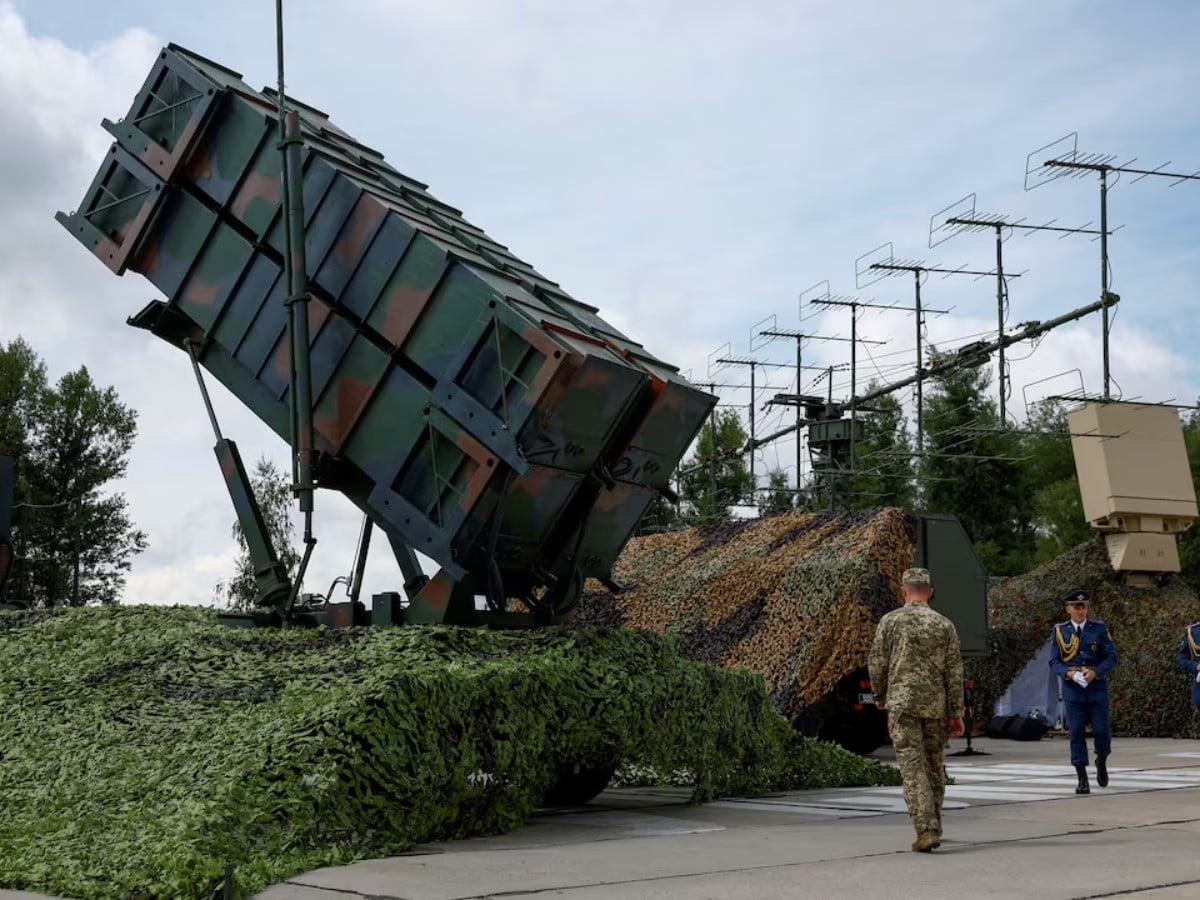
KYIV: Ukraine wants a prototype of a new European anti-ballistic defence system to be ready by the first half of 2027, as Kyiv seeks to reduce its reliance on US-made Patriot batteries for intercepting Russian ballistic missiles.
Davyd Aloian, deputy secretary of Ukraine's National Security and Defence Council, said the project, codenamed Freyja, was being pursued on an accelerated timeline. He said, "Since we're working within such a tight timeframe, we have an ambitious goal: to have an MVP (minimum viable product) ready by the first half of next year." He added, "That is a prototype that can already demonstrate its first practical results."
The push comes as Russia has intensified ballistic missile attacks on Kyiv and the southern port city of Odesa this month. Ukraine has been unable to intercept most of those missiles because it lacks enough interceptors, while Patriot systems remain the only weapons in its arsenal that can reliably shoot down ballistic missiles travelling at several times the speed of sound.
Leaders from 10 European countries, including President Volodymyr Zelenskiy, and about a dozen defence manufacturers met in Paris two weeks ago to formally launch the anti-ballistic coalition behind the effort. Aloian said an international steering committee assigned to estimate research and development costs was expected to meet for the first time soon.
Ukraine is prepared to contribute a launcher and an interceptor missile to Freyja. Zelenskiy said this month that this part was just a "matter of testing" and has expressed hope the system could become operational within a year.
Open architecture plan
Kyiv expects partner countries to provide technologies including modern radars, sensors and expertise in missile guidance and control electronics. Companies involved so far include Eurosam, which makes the SAMP-T interceptor system, alongside Leonardo, Thales and Saab.
Ukrainian missile and drone manufacturer Fire Point is set to serve as the lead industrial partner. The company, which developed the Flamingo cruise missile, announced an agreement last month with German defence manufacturer Hensoldt to supply radar for the project.
Aloian said Freyja was being designed as an "open architecture" system, allowing different countries to plug in components from their own industries. He said, "The overall logic of this system is that it's an open architecture." He added, "So if Denmark says 'I want the Freyja system with a Danish-made Weibel radar,' that's fine. If Sweden says they want the Saab system, that's no problem either."
One proposal under consideration is to create a dedicated body, possibly a fund, to collect contributions and secure steady financing. Aloian said direct involvement by businesses alongside governments could also help cut bureaucratic delays, adding, "The coalition should be practical rather than political."
Freyja is intended as a lower-cost alternative to Patriot systems, which are also used by many European states. Other air defence systems, including the Franco-Italian SAMP/T and Germany's IRIS-T, have not yet demonstrated an ability to intercept ballistic missiles.
Comments
No comments yet. Be the first to join the discussion!


