Blockade of another strait
The Houthis’ partial blockade of the Bab el-Mandeb could tighten Iran’s regional grip and threaten Red Sea shipping, with knock-on risks for oil and insurance rates.

The Bab el- Mandeb blockade might be as bad as the Hormuz one
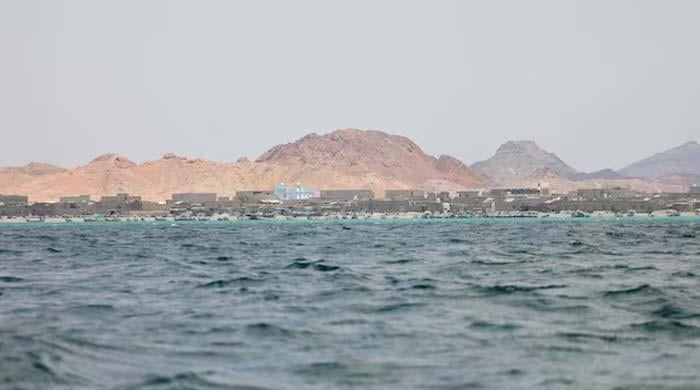
The Houthi blockade of Saudi shipping is a further tightening of Iran’s grip on the region, and may illustrate why it will never abandon the Axis of Resistance. As if the Straits of Hormuz blockade by Iran was not enough to send international oil, fertiliser and aluminium markets into a tailspin, now the world has to face a partial blockade of the Bab el-Mandeb blockade by the Houthis, the strait through which the Red Sea debouches into the Arabian Sea and thus the Indian Ocean. At the memonet, the Houthis are only blocking Saudi shipping, which implies that the Suez Canal shipping, which exits the Canal into the southern portion of the Red Sea, and then goes to the Bab el-Mandeb strait into the high seas. heading for Asian and even Pacific destinations, will remain uninterrupted for now. Saudi Arabia has always used the Bab el-Mandeb strait extensively, to give its western coast access to the ocean, but after the US-Israeli attack on Iran led to the blocking of the Hormuz Strait, it used the Bab el-Mandeb for its eastern province’s output. One of the countries which has received Saudi oil through this route has been Pakistan, which is otherwise virtually completely dependent on the Hormuz Strait for its oil.
The Houthis have used their ability to operate freely in Yemen before, when they imposed a blockade on all shipping from the Bab al-Mandeb, and thus effectively blockaded the Suez Canal. Saudi can continue exporting to Europe, for its western coast output can remain in the Red Sea, and transit the Suez Canal into the Mediterranean, so as to supply Europe. However, there is still the possibility of a blockade of Suez Canal traffic through the Bab el-Mandeb. As last year’s experience taught, the blockade need only mean a couple of missiles shot at ships, not necessarily striking them. Insurance and shipping rates will climb high enough to make it more feasible to take the route around the Cape of Good Hope.
Pakistan needs to work carefully to keep its oil flowing. The effect on oil prices is likely to take a little time to take effect, and the markets have not reacted with panic. After the shock of the Hormuz Strait, the Bab el-Mandeb may seem minor, even though it could prove to be the last straw which broke the camel’s back. It should not be forgotten that the camel's back is already broken.

The Editorial Department of Pakistan Today can be contacted at: [email protected].
View all articles →Comments
No comments yet. Be the first to join the discussion!