SBP leaves key rate unchanged at 11.5% amid inflation and external risks
The State Bank of Pakistan kept its policy rate unchanged at 11.5% on Monday. The central bank cited lingering inflation pressures and uncertainty from Middle East developments despite improved external accounts.

KARACHI: The State Bank of Pakistan kept its policy rate unchanged at 11.5% on Monday, opting to hold its monetary stance steady as inflationary pressures persist and external risks linked to the Middle East remain in focus.
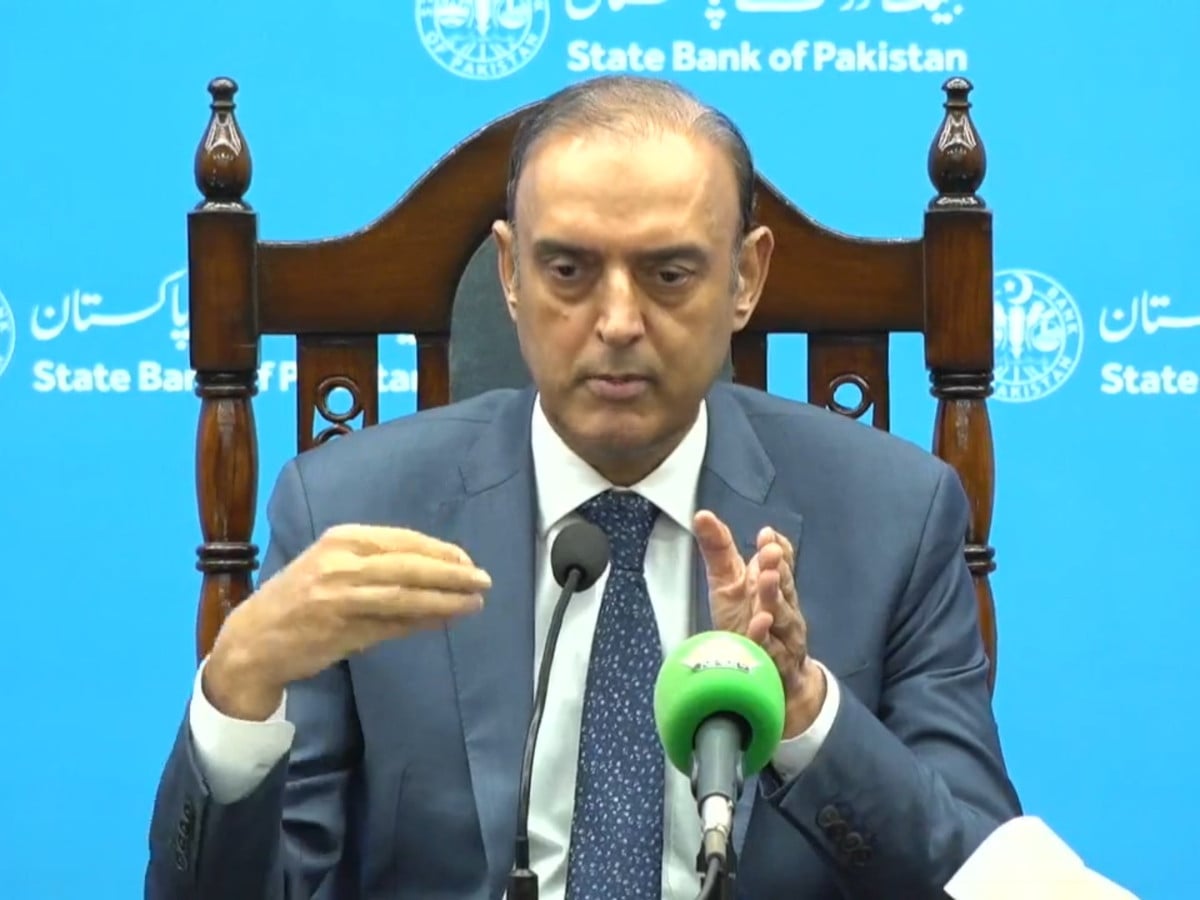
Announcing the decision after a meeting of the Monetary Policy Committee, SBP Governor Jameel Ahmed said inflation had eased during the first half of the fiscal year, averaging 5.5% between July and February and staying at the lower end of the central bank’s target range.
He said the Middle East conflict had driven up petroleum and other global commodity prices from early March, feeding into domestic inflation through higher fuel costs and shipping charges. Inflation then rose to 11.7% in May before easing to 11.1% in June, while the SBP expects it to fall further in July and continue moderating after September. Ahmed added that higher wheat prices had also added to price pressures.
On the external front, Ahmed said Pakistan posted a current account deficit of $139 million in the last fiscal year, a sharp improvement from a deficit of $17.5 billion a year earlier. He said the current account balance is projected to remain between 0% and 1% of GDP in the current fiscal year, though the outlook would depend on developments in the Middle East.
The governor said the country’s foreign exchange reserves stood at $20.2 billion at the end of December 2026 and were expected to remain around that level through next December, with improvement anticipated over time. He also said workers’ remittances are projected to rise from $41.6 billion in the previous fiscal year to around $44 billion in the current one.
The latest decision follows another hold in June, after the SBP had raised the policy rate by 100 basis points in its April 27 meeting, a move that had gone against market expectations at the time.
Economists had favoured status quo
Before Monday’s decision, economists had broadly argued for keeping the benchmark rate unchanged, citing easing headline inflation but continued underlying price pressures and a still-fragile recovery.
A July 2026 monetary policy assessment by the Macro Policy Lab at the Pakistan Institute of Development Economics said headline consumer inflation slowed to 11.1% in June, while urban and rural core inflation remained elevated at 8.7% and 7.9%, respectively.
The assessment said recent inflation was being driven largely by food, energy, transport and administered prices, areas that monetary policy cannot directly reverse. It also warned that a rebound in the weekly Sensitive Price Indicator called for caution before treating disinflation as firmly established.
It noted that short-term Treasury bill yields were close to the policy rate and the overnight rate remained aligned with the current stance, while higher six- and 12-month yields suggested medium-term caution rather than a clear case for either easing or further tightening.
Comments
No comments yet. Be the first to join the discussion!