Iran strikes US assets in Gulf as Washington expands attacks on Tehran
Iran said it struck US-linked installations in Kuwait and Bahrain after fresh American attacks on Iranian targets. The fighting also widened at sea, with tanker incidents in the Strait of Hormuz and a new Houthi embargo on Saudi Arabia.

TEHRAN: Iran said on Tuesday it had targeted American military-related installations in Gulf states and warned of further attacks, as the United States carried out another round of strikes on Iranian targets for the 10th straight day of fighting.
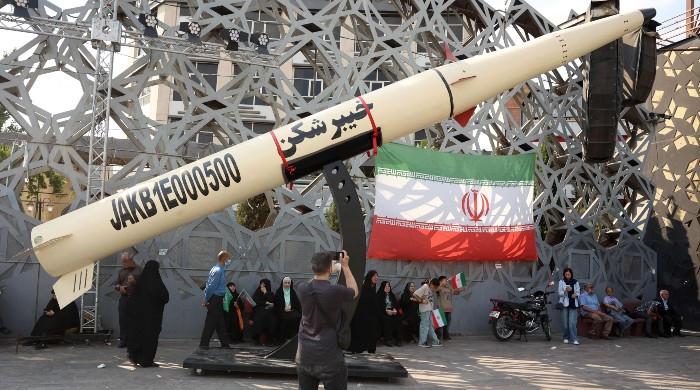
The Iranian army said US assets in Kuwait and Bahrain, including air defence systems, radar sites and administrative buildings, were hit hours after Washington announced fresh attacks on Iran. Iran’s Revolutionary Guards also signalled additional action, saying in a statement carried by the state news agency IRNA that the latest strike was a warning of more to come.
"With this radar sweep, the enemy should prepare for even more decisive and powerful waves of drone and missile attacks," the statement read.
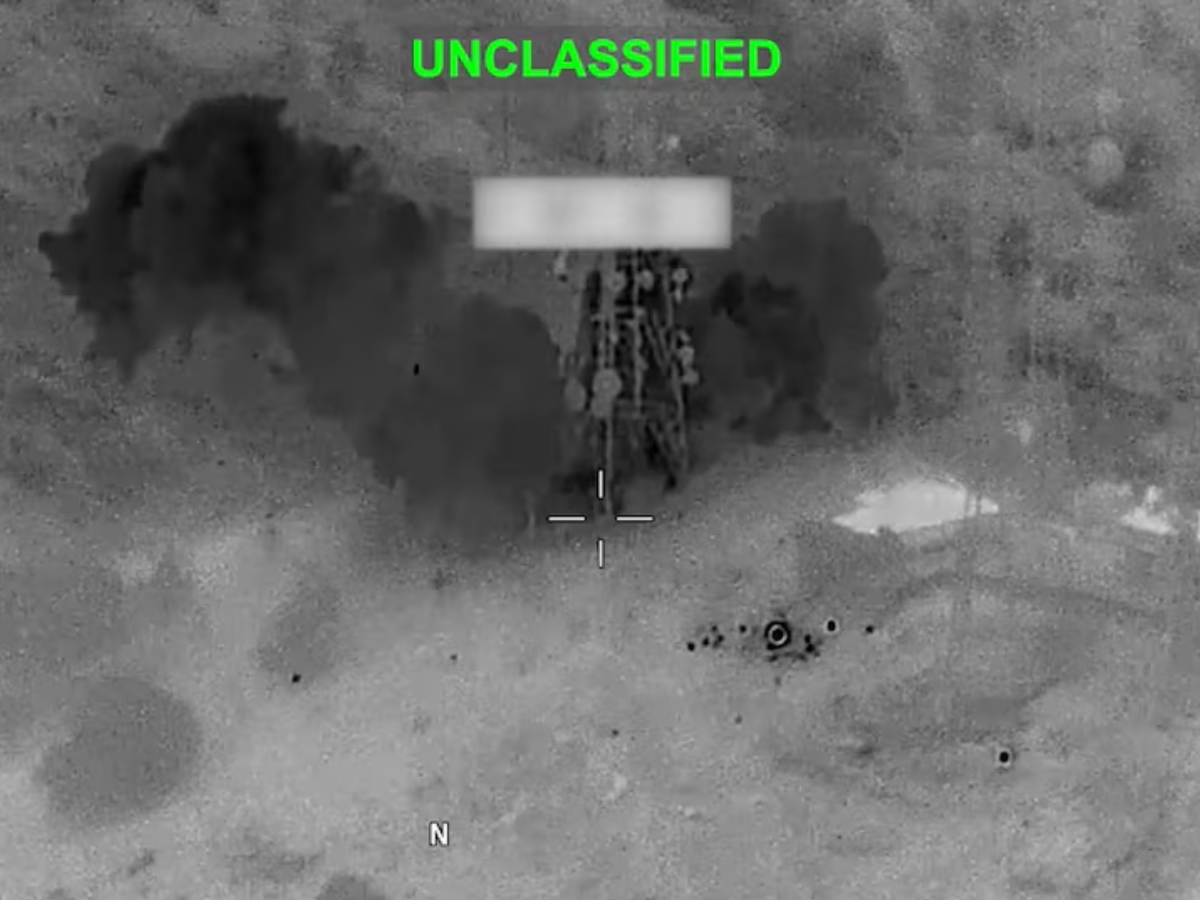
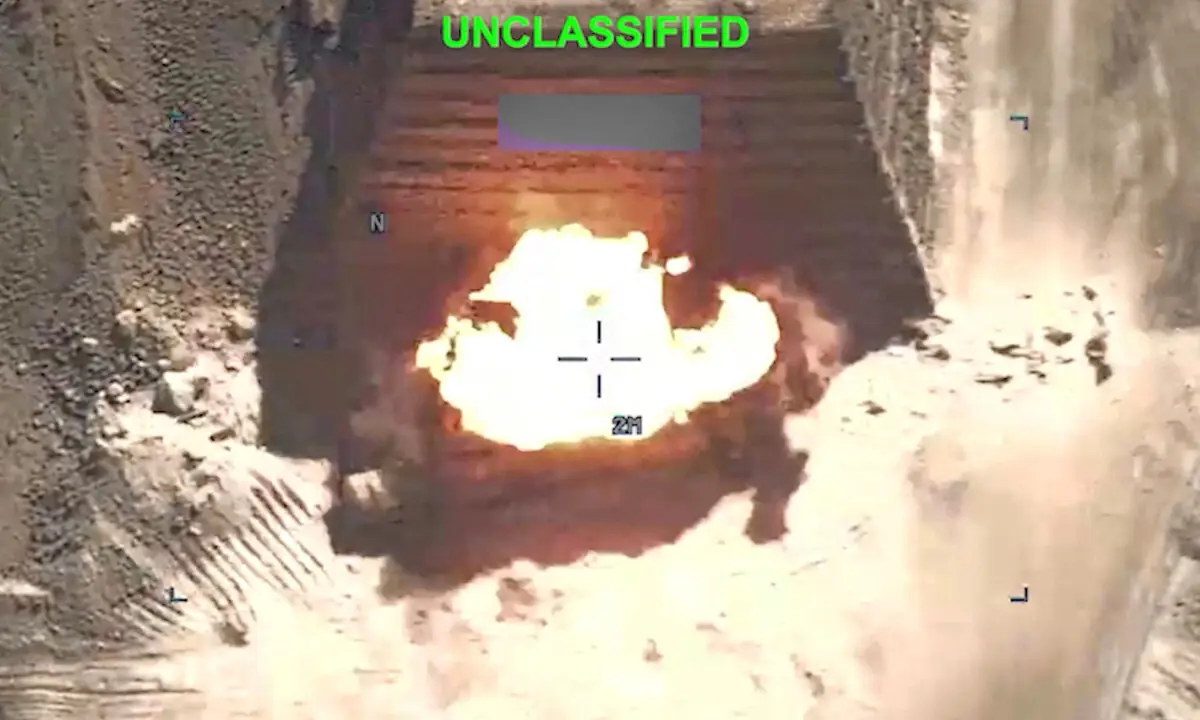
The latest US attacks were launched late on Monday after at least three American soldiers were killed in recent days. The US military said the operation was intended to further weaken Iranian capabilities used against commercial shipping in the Strait of Hormuz. It later said US forces had completed strikes on Iranian military command centres, maritime assets, missile and drone launch positions, and air defence systems. The US statement added that commercial shipping through the waterway was continuing and said American forces remained prepared to respond to what it described as Iranian aggression against civilian mariners.
Strait of Hormuz incidents
In the Strait of Hormuz, the Revolutionary Guards said on Tuesday they had attacked and halted two non-compliant oil tankers trying to pass through the channel, as part of efforts to tighten control over the strategic route. According to the Guards, both vessels were hit by explosions and caught fire, leaving them unable to proceed.
Earlier, the UK Maritime Trade Operations agency reported that an unknown projectile had struck a tanker off Oman’s coast. On Tuesday, the agency reported a second tanker off Oman had also been hit by a projectile.
Despite the fighting, Iranian foreign ministry spokesman Esmaeil Baqaei said diplomatic contacts with Washington through mediators were continuing. Meanwhile, Iran’s Interior Minister Eskandar Momeni arrived in Islamabad for a two-day visit. According to Pakistan’s interior ministry, he is due to meet Prime Minister Shehbaz Sharif and Chief of Defence Forces and Chief of Army Staff Field Marshal Asim Munir.
Casualties and regional pressure
US President Donald Trump said on Monday that Iran would pay many times over for every American soldier killed. Iranian President Masoud Pezeshkian said the conflict had turned into a full-scale war. The Pentagon said on Monday that nearly 100 US servicemembers had been wounded since July 7, with most suffering minor concussions.
Elsewhere in the region, Lebanese President Joseph Aoun was due to meet Trump in Washington on Tuesday as pressure increased on Beirut to disarm Hezbollah, a step Israel has made a key condition for withdrawing from southern Lebanon.
Houthis open another front
Yemen’s Houthi rebels announced on Monday that they were imposing an immediate maritime embargo on Saudi Arabia, widening the regional confrontation. Houthi military spokesman Yahya Saree said the move would take effect at once and described it as retaliation on an eye-for-an-eye basis against Saudi Arabia.
If enforced, the blockade could place added strain on Saudi Arabia by restricting access to Red Sea ports that have become important for oil exports as passage through the Strait of Hormuz comes under pressure. The move could also affect wider energy markets that rely on Saudi crude exports.
The announcement came after an exchange of fire between Saudi forces and the Houthis last week, their first direct clash in years. The Houthis had previously sought to disrupt shipping in the Red Sea through attacks on vessels using the Bab al-Mandab Strait during the Gaza war from November 2023, forcing some ships to reroute around Africa rather than pass through the Suez Canal route. Saudi Arabia’s foreign ministry condemned the Houthi maritime blockade and reaffirmed support for Yemen’s Aden-based government.
Comments
No comments yet. Be the first to join the discussion!