Govt shifts to daily petroleum pricing amid regional tensions, vows greater transparency
Pakistan shifts to daily petroleum pricing, tasking Ogra to use Platts international benchmarks and publish price components. The move aims for rapid pass-through amid US-Iran tensions and greater transparency.

Ogra to determine fuel prices daily based on international benchmarks under new mechanism
Govt says move will ensure immediate pass-through of global price fluctuations
Daily mechanism approved by federal cabinet after renewed US-Iran tensions
Petrol pump owners reject deregulation plan, warn of nationwide strike
ISLAMABAD: The federal government on Friday announced that petroleum product prices would henceforth be determined on a daily basis, replacing the existing pricing mechanism with a market-linked system designed to immediately reflect international oil price movements, following renewed regional tensions triggered by the recent exchange of strikes between the United States and Iran.
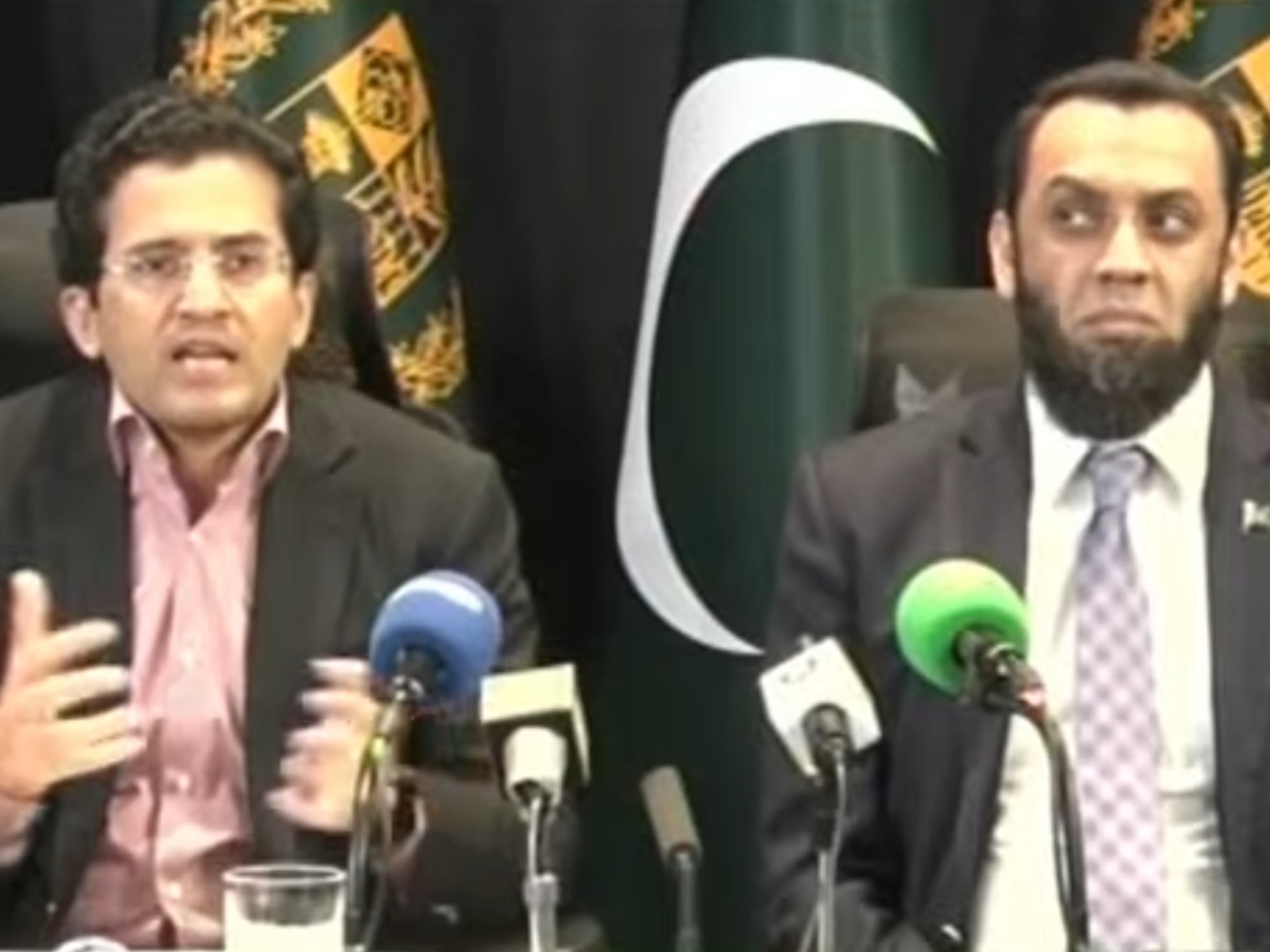
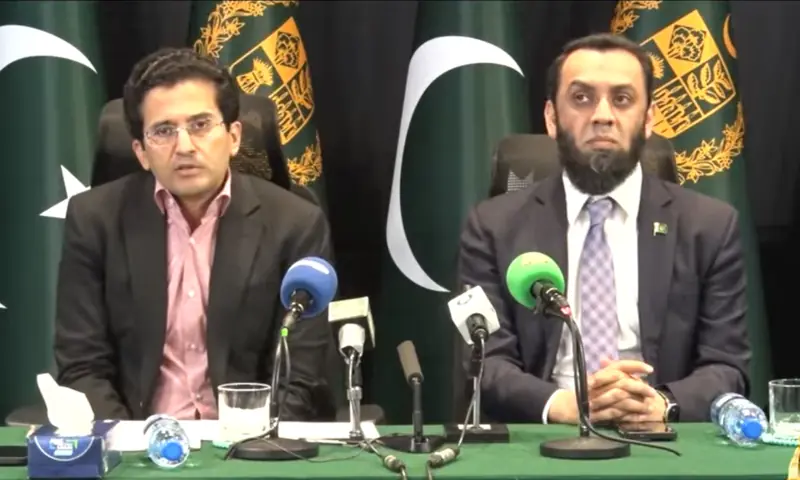
The decision was announced by Petroleum Minister Ali Pervaiz Malik during a joint press conference with Information Minister Ataullah Tarar, after a meeting of the federal cabinet chaired by Prime Minister Muhammad Shehbaz Sharif.
Malik said the new mechanism was aimed at making the fuel pricing system more transparent while protecting the state from financial risks arising from volatile international oil markets.
"The federal cabinet and the prime minister decided that, without exposing the state to any risk, the responsibility would be assigned to Ogra to determine petroleum prices daily in line with international market trends. Ogra will not only publish on its website the Platts benchmark rates, which are used globally to determine petroleum prices, but will also disclose the components that make up the final price consumers pay at petrol pumps. Ogra has been directed to publish all these details so that people know why these prices are unavoidable," he said.
The minister said it was unfortunate that despite Pakistan's leadership making "tremendous efforts" to steer the region towards reconciliation and a lasting ceasefire, tensions had once again escalated.
"It is unfortunate that despite the sincere efforts made by our leadership, especially Prime Minister Shehbaz Sharif, the Chief of Defence Forces and Chief of Army Staff Field Marshal Asim Munir, to move the region towards reconciliation and a permanent ceasefire, tensions are once again rising," he said.
Malik noted that petroleum prices, which had already experienced sharp fluctuations during previous periods of regional instability, were once again moving upward in response to the latest developments.
He said diesel prices had increased significantly in recent days, adding that the Platts benchmark for diesel had risen from $110 per barrel to $140 per barrel as of Friday.
Referring to petrol, the minister said the Platts benchmark, which had been around $89 per barrel, had climbed to nearly $100 per barrel, resulting in another round of upward pressure on global energy prices.
Expressing gratitude to the public for their patience, Malik said people had endured economic hardships alongside the government despite a Rs130 billion subsidy provided by the federal government and a targeted subsidy programme implemented in coordination with the provincial governments.
"Today's decision is aimed at bringing greater transparency to the entire system so that people themselves can understand why increases in petroleum prices become unavoidable," he said.
Malik maintained that had the government adopted the same approach as a previous administration in 2022, the public would have continued bearing the consequences for years through persistently higher inflation.
Acknowledging that the latest decision would be challenging for consumers, he said it was nevertheless essential for strengthening the country's economic stability.
The petroleum minister rejected the perception that the government had increased the burden on consumers through higher levies or had failed to pass on the benefits of the recent decline in international oil prices.
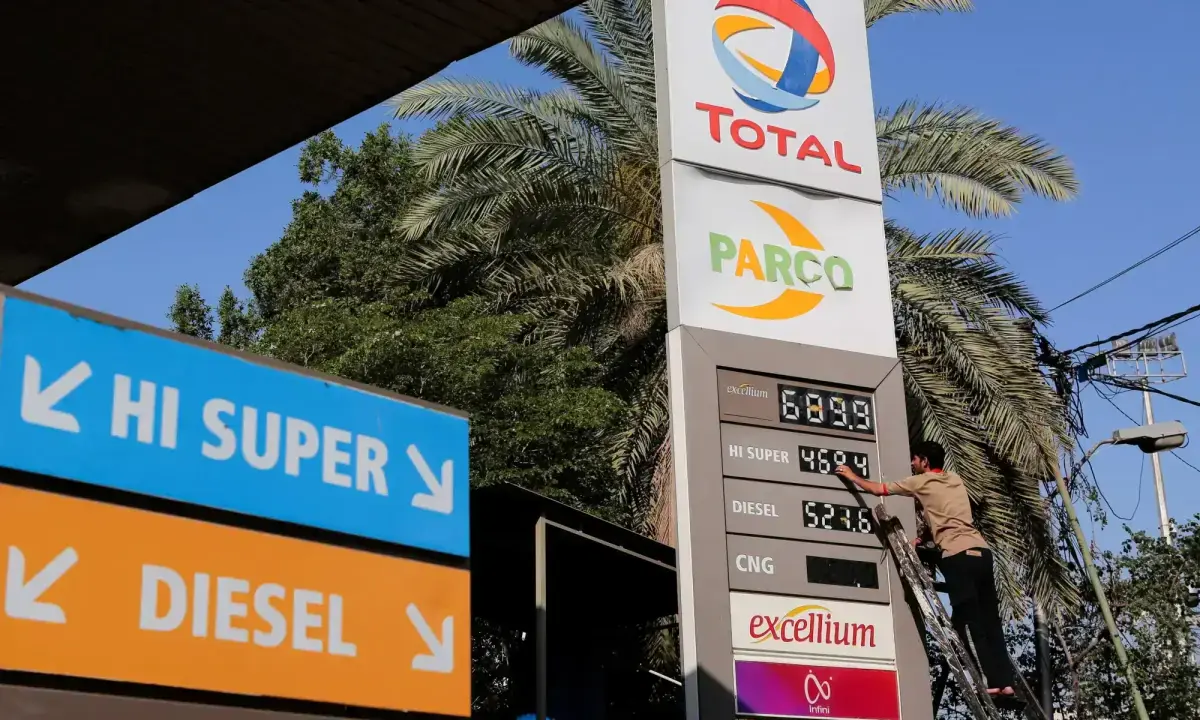
"The government remains committed to its promise. Just as the price of diesel has fallen from Rs520 per litre to below Rs300 per litre, people have also witnessed a substantial reduction of Rs70 to Rs80 in petrol prices," the minister said.
He added that the decline in international oil prices had been fully passed on to consumers.
Clarifying the issue of the petroleum levy, Malik said Pakistan was required under international agreements to maintain such levies in support of the federal budget.
He said the combined petroleum levy and carbon support levy on petrol remained lower than their level before the conflict began, adding that no additional burden had been imposed on the public beyond the country's international commitments.
The minister explained that daily petroleum prices would be determined on the basis of the average Platts benchmark over the previous seven working days.
"It will be ensured that whenever prices go up, they increase accordingly, and whenever they come down, they automatically decline without requiring approval from the prime minister, Ata sahab, or me, and the relief will be passed on to the public immediately on a daily basis," he said, describing the move as another step towards deregulation.
Malik further said the prime minister had directed the Federal Investigation Agency (FIA), the Intelligence Bureau (IB) and all law enforcement agencies to take strict action against anyone involved in profiteering in the oil sector.
Daily pricing to pass on changes immediately: Tarar
Addressing the press conference, Information Minister Ataullah Tarar said the new daily pricing mechanism would ensure that fluctuations in international oil prices were transferred to consumers without delay.
"With petroleum prices being determined daily, the criticism that changes in international prices are not transferred immediately will no longer hold. Whatever increase or decrease takes place will be passed on without delay," he said, adding that the move would bring greater transparency to the pricing system.
Tarar also dismissed the perception that the government had significantly increased the petroleum levy.
"There is a misconception that the levy has increased substantially, but the levy is still lower than it was before the war. Since there has been no increase in the levy now, the entire mechanism for determining oil prices will become more transparent," he said.
Emphasising the need for long-term energy reforms, the information minister said Pakistan would eventually have to transition towards cleaner modes of transport.
"If our import bill continues to rise and the public continues to bear the impact of fluctuations in international oil prices, the best solution is for us to gradually move towards electric vehicles and electric motorcycles," he said.
Petrol pump owners reject fuel pricing policy
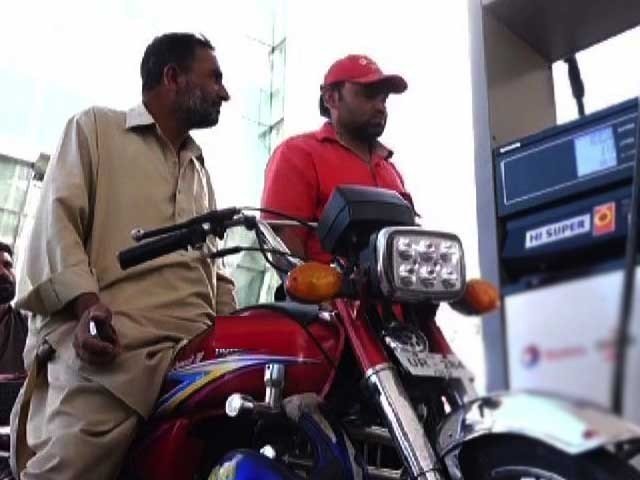
Meanwhile, the All Pakistan Petrol Pump Owners Association rejected the government's proposed petroleum price deregulation policy and warned that it could launch protests and a nationwide strike next week if the decision was not withdrawn.
In a video statement, the association's chairman, Nauman Ali Butt, urged the government to reconsider the policy, saying petrol pump owners should not be made to bear the burden of the new pricing mechanism.
He demanded that all stakeholders be taken into confidence before oil marketing companies (OMCs) finalised fuel prices under the proposed system.
Butt said nearly 15,000 petrol pump owners across the country had expressed serious reservations over the policy.
He warned that the new mechanism would have implications for oil tankers, transportation and the overall fuel pricing system.
The association's chairman also called on the government to engage with petrol pump owners through meaningful consultation instead of making unilateral decisions.

Comments
No comments yet. Be the first to join the discussion!