June 24, 2026
Weekly fuel pricing mechanism to continue after industry concerns
The Petroleum Division has assured oil firms that weekly fuel pricing will remain in place for now and that upcoming adjustments will reflect actual import premiums. Industry representatives warned repeated formula changes were causing heavy losses and discouraging investment.

June 24, 2026
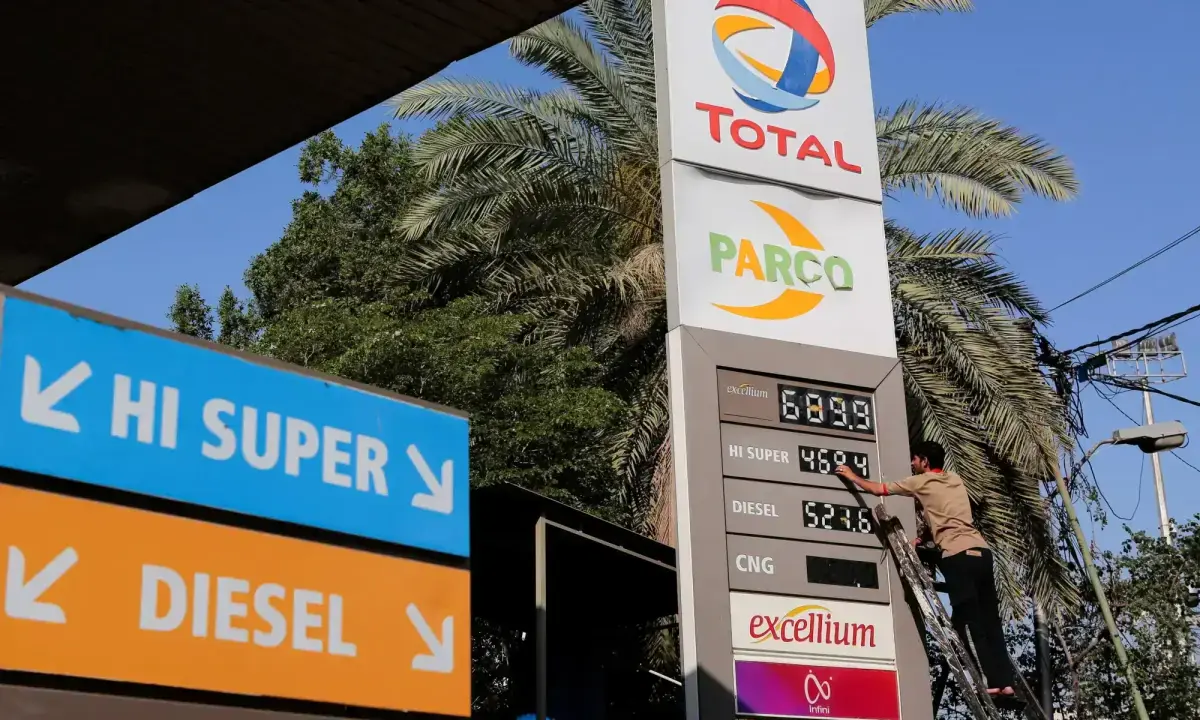
ISLAMABAD: The Petroleum Division has told oil marketing companies and refineries that the weekly petroleum pricing system will remain in place for now, while upcoming price adjustments will be linked to actual import premiums to reduce losses that emerged after recent changes in the pricing formula.
At a meeting convened on Tuesday, Petroleum Minister Ali Pervaiz Malik and Petroleum Secretary Hamed Yaqoob Shaikh met chief executives of several oil marketing companies and refineries after strong concerns from the industry over repeated revisions in the pricing mechanism. The two officials assured participants that no further changes were planned in the near term to the seven-day pricing arrangement.
According to the officials, future petrol prices would be calculated on the basis of a $15.85 per barrel import premium tied to the latest cargo arranged by Pakistan State Oil, which they said had been the most affected by the recent pricing changes. Diesel pricing, meanwhile, would continue to be based on PSO’s import premium from Kuwait Petroleum, which an official said was around $5-6 per barrel.
Industry raises losses and investment concerns
Asif Iqbal, chairman of the Oil Companies Advisory Council, which represents more than three dozen companies, told the government side that repeated changes in the pricing formula had severely disrupted the sector. He said the formula had been altered seven times for diesel and four times for petrol over the past three months, and argued that the latest revision had wiped out the previous year’s profitability in a single day. According to official sources, he also warned that such uncertainty would discourage foreign investment.
Cynergico Petroleum’s Amir Abbassciy said refineries were being hit hard by the widespread availability of smuggled high-speed diesel in the market. He called for full deregulation of pricing and effective enforcement against smuggling, and backed the OCAC view that further foreign investment in the sector would be difficult under current conditions.
Wafi Energy CEO Zubair Shaikh said his UAE-based principals were shocked that their subsidiary had incurred losses from one price adjustment that exceeded profits made over more than a year. He said major foreign investors in Wafi could consider leaving and added that he would not be in a position to help keep them on board.
Another executive said the Oil and Gas Regulatory Authority was holding back more than Rs66 billion in price differential claims arising from government decisions rather than operational matters. He said this had created working capital pressures at a time when banks were also charging higher foreign exchange costs than State Bank of Pakistan rates.
Calls for restoring earlier formula
Most industry representatives called for a return to the pricing mechanism that was in place before the recent regional conflict-related changes, saying the formula used in the June 19 pricing could eliminate profits and affect working capital. Refinery representatives also objected to the government’s move to seek surrender of 2.5pc deemed duty that had originally been earmarked for refinery upgrades, despite the fact that upgrade contracts had not yet been signed.
The petroleum minister told company executives that the weekly pricing mechanism would remain unchanged for now. He said the prime minister had formed a committee on petroleum pricing and that the industry’s views would be taken into account during the consultation process. He also said complete deregulation of prices could not be introduced abruptly and would instead require a gradual transition, potentially moving from weekly pricing to daily pricing.
According to informed sources, both the minister and the secretary also complained that industry representatives had sometimes weakened the Petroleum Division’s case before the National Coordination and Management Council by softening their economic arguments. One executive who stepped out of the meeting to take a call from the NCMC was also reportedly reprimanded over the handling of policy discussions. Industry representatives were further criticised for not responding to one-sided criticism on social media.
When some participants raised concerns over the unavailability of Ogra’s leadership, the minister reportedly told them to approach the prime minister if they were unhappy with the regulator. OCAC chairman Asif Iqbal, however, said he had received a patient hearing from Ogra at short notice, although he said his input had not been reflected in the final decisions.
0 Comments
No comments yet. Be the first to join the discussion!