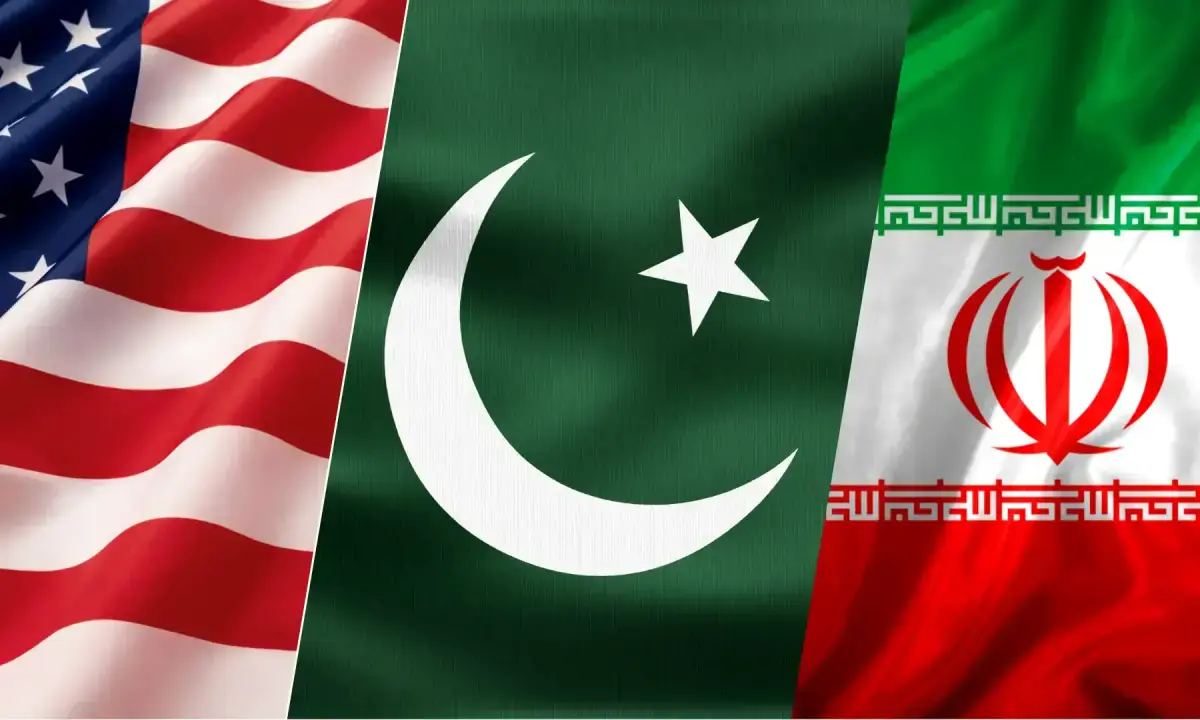
Iran says talks With Pakistan, Qatar and Oman continue to avert US escalation
Iran says it continues diplomatic engagement with mediators Pakistan, Qatar and Oman to prevent escalation with the US. The Islamabad MoU underpins talks after June ceasefire.

Tehran spokesman says Pakistan remains engaged in efforts to prevent further conflict
Islamabad MoU remains central to diplomatic push after June ceasefire and Hormuz reopening
Bürgenstock and Doha talks laid groundwork for negotiations on nuclear issues, sanctions and maritime security
Renewed hostilities disrupt Strait of Hormuz shipping, fueling fresh volatility in global oil markets
ISLAMABAD: Iran is continuing diplomatic engagement with mediators Pakistan, Qatar and Oman to prevent a further escalation in its conflict with the United States, Iranian Foreign Ministry spokesperson Esmaeil Baghaei said on Monday, as renewed military exchanges between Washington and Tehran fuel fresh concerns over regional stability and the security of the Strait of Hormuz.
Baghaei's remarks came after fresh US strikes on Iranian targets and retaliatory Iranian missile and drone attacks on American facilities across several Gulf states, raising fears of a wider regional confrontation and renewed disruptions to commercial shipping through the strategic Strait of Hormuz.
Pakistan and Qatar have played central roles in recent diplomatic efforts to bridge differences between Washington and Tehran, helping negotiate the Islamabad Memorandum of Understanding (MoU)—an interim agreement reached in June that halted hostilities between the United States and Iran, reopened the Strait of Hormuz to commercial shipping and committed both sides to negotiating a comprehensive agreement within 60 days.
As part of that process, US and Iranian negotiators met with Pakistani and Qatari mediators in Bürgenstock, Switzerland, in June for the first high-level talks on implementing the Islamabad MoU. The parties agreed to establish a high-level committee to oversee the negotiations, create working groups on key issues including the nuclear file, sanctions and dispute resolution, and establish direct communication channels aimed at preventing military incidents and ensuring the safe passage of commercial vessels through the Strait of Hormuz.
The participants also endorsed a roadmap for a comprehensive agreement while agreeing to continue technical-level negotiations. Subsequent indirect technical discussions were later held in Doha.
Oman, which has long served as an intermediary between Iran and the United States, has also continued separate consultations with Tehran as part of the broader diplomatic effort.
"We will use all means at our disposal to defend our national interests," Baghaei told a press briefing on Monday.
"The role of the mediators is to continue their efforts to prevent an escalation of tensions. In recent days, we have been in contact with Qatar and Oman, with whom we held a meeting, as well as with Pakistan, and these discussions are ongoing."
Baghaei did not elaborate on the nature of Iran's discussions with Pakistan or indicate whether another round of formal negotiations with the United States was being planned. Islamabad has not yet commented on the Iranian official's remarks.
Earlier this month, Iranian and US negotiators also held separate meetings with Pakistani and Qatari mediators in Doha, where Islamabad said the talks had made progress on implementing various aspects of the Islamabad MoU. The parties agreed to continue discussions, although no date has yet been announced for the next round of negotiations.
The diplomatic process has since come under renewed pressure as Washington and Tehran resumed military strikes and exchanged accusations over responsibility for the collapse of the ceasefire. Iran has once again restricted shipping through the Strait of Hormuz—one of the world's most critical energy corridors—contributing to fresh volatility in global oil markets.
Pakistan has repeatedly urged both sides to exercise maximum restraint and honour their commitments under the Islamabad MoU, maintaining that any renewed conflict would pose serious risks to peace, regional security and economic stability across the Middle East.
Comments
No comments yet. Be the first to join the discussion!