

Sugarcane gains ground at cotton's expense
A new sugar mill in Ghotki has added to concerns over sugarcane’s continued expansion into Sindh’s cotton belt. Experts and farm representatives say the shift is straining water resources and weakening the cotton economy.

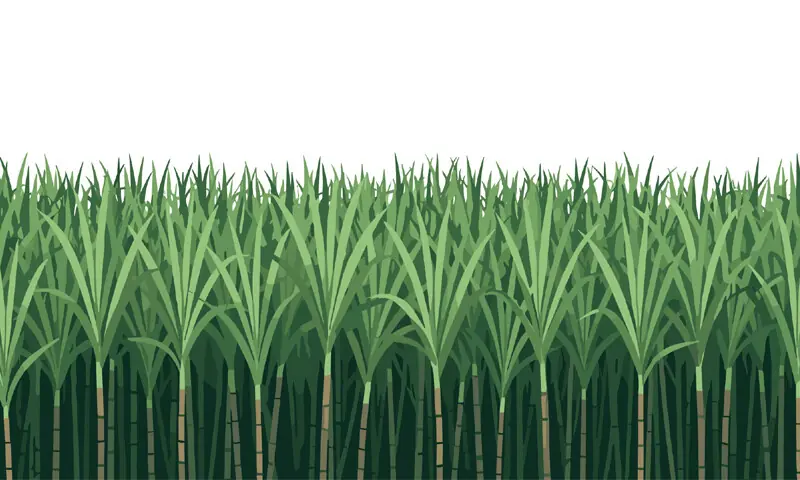
ISLAMABAD: Sugarcane cultivation is continuing to spread across Sindh’s traditional cotton-growing areas, with a new sugar factory in Ghotki beginning trial operations for the current crushing season and processing about 92,000 tonnes of cane, according to a report published by Dawn. The unit takes the number of sugar mills in the district to six, highlighting a longer-term shift in land use in an area once known primarily for cotton.
Cotton has been losing ground in both Punjab and Sindh. In Punjab, the expansion of rice has reduced cotton acreage, while in Sindh cotton is facing pressure from both sugarcane and paddy cultivation. The increase in the number of mills indicates continued confidence in the sugar business, despite repeated claims by mill owners that the sector faces losses.
Historically, Ghotki remained a cotton-producing district until the early 2000s. Five sugar factories were set up there in a cluster, particularly during the Pervez Musharraf era, when policy conditions were seen as more favourable for influential mill owners. Ghotki’s location on the Punjab border also gives mills access to sugarcane supplies from southern Punjab as well as Sindh, while cultivation has also expanded onto riverine lands through contractual arrangements. Thousands of acres owned largely by Sindh landlords were under sugarcane and wheat cultivation.
Badin, another district in Sindh, once had five operating sugar mills, but two of them — Pangrio and Mirza — have remained closed for a long period because of operational and financial problems. Ghotki’s agricultural profile as having shifted from a cotton-rich district to a centre of sugarcane production, driven in part by growers’ preference for steady cash flows.
Water demand and crop policy concerns
Sugarcane has long enjoyed official protection through legislation providing an annually fixed support price and a quality premium, unlike cotton. The government has not fixed the sugarcane price over the last two years under IMF-linked conditions. Sugarcane is also a long-duration crop that remains in the field for nearly a full year and, like rice, requires heavy water use.
Sindh Agriculture University Tandojam Vice Chancellor Prof Dr Altaf Ali Siyal said the crop’s expansion in cotton zones may help farmers secure short-term income, but poses wider risks.
Dr Siyal said his analysis of major crops’ water requirements found sugarcane needs 66.9 inches of water per acre, compared with 45.3 inches for rice, 31.5 inches for cotton and 16.7 inches for wheat. According to him, sugarcane alone consumes more water than wheat and cotton combined. He said the crop’s spread weakens cotton ginning, textile and oilseed linkages and ties up water during periods when canal supplies are already low, reducing reliability for cotton, wheat, fodder and vegetables.
He further said that moving from cotton to sugarcane locks water into a single crop for the whole year in a province already facing water stress.
"Excessive cane cultivation can reduce overall water productivity and damage cotton-based rural industry at district level,"Dr Siyal said sugarcane expansion is unsuitable from a water-management perspective because it raises irrigation demand, reduces cotton acreage and increases the risks of salinity and waterlogging.
"Sugarcane should be limited to areas with reliable drainage and assured water while cotton zones should be protected through better cotton prices, pest control, quality seed, and timely canal water,"Capacity increases and declining cotton area
Over the past decade, several mills have expanded crushing capacity, increasing demand for cane. SGM Sugar Mills in Ghotki increased its capacity from 8,000 tonnes in 2015 to 14,000 tonnes from 2020 onward, while JK (Gulf) raised capacity from 8,000 tonnes to 13,000 tonnes by 2019. Elsewhere in Sindh, Shah Murad in Thatta expanded from 6,000 to 11,000 tonnes, Mirpurkhas from 4,000 to 12,500 tonnes, Khairpur from 4,000 to 7,000 tonnes by 2025, and Ranipur from 3,500 to 12,500 tonnes.
President of the Sindh Abadgar Board Mahmood Nawaz Shah questioned the continued increase in the number of mills when cane supplies are already insufficient for existing units.
"Growth in the number of sugar mills is beyond comprehension, when the raw material (sugarcane) is not enough for even existing sugar mills"He also said the decline or revival of cotton should not be explained only through the growth in sugar mills.
"Cotton has its own issues. It needs policy patronage and support. It involves challenges of production, prices, susceptibility to adverse climate, etc"According to figures cited from the Sindh agriculture department, cotton acreage has fallen over the years while sugarcane area has moved upward. When Sindh recorded its highest cotton output of 4.2 million bales in FY10, the crop was grown on 634,714 hectares, while sugarcane covered 233,949 hectares in the same year.
Cotton is also under pressure from paddy cultivation in left-bank areas of the Indus, despite crop-zoning laws that prohibit rice in those regions. Violations continue in Sindh, including in cotton belts such as Mirpurkhas and Sanghar, while in Punjab some growers are cultivating two rice crops in a single season at cotton’s expense. The resulting decline in cotton acreage has also affected oilseed production, increasing Pakistan’s dependence on imported edible oil.
Former Pakistan Agricultural Research Council chairman Dr Yusuf Zafar also expressed concern over cotton’s decline. He cited Vehari, once a major cotton district in Punjab, as now showing almost no cotton cultivation because farmers are shifting to other crops. He also pointed to what he described as a policy imbalance under which the domestic cotton sector faces taxes while imports remain duty-free.
Comments
No comments yet. Be the first to join the discussion!


