Cotton crisis
Cotton acreage falls to the lowest in 50 years as farmers shift to sugarcane and rice using solar tubewells. The textile industry now faces output gaps and higher imports.

The lowest acreage of cotton sowed for 50 years means the textile industry is in trouble
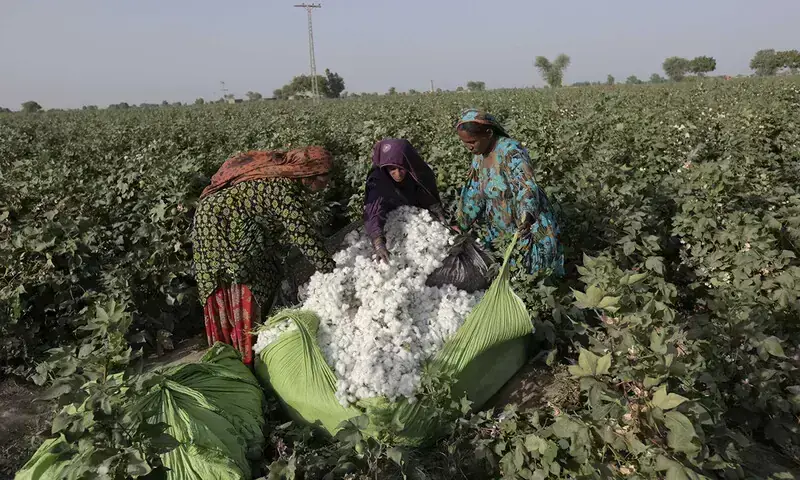
With the country falling about a fifth short of its cotton sowing target for 2026-7, with 2.7 million acres sown against 3.2 million acres targeted. That is below the 2.964 million acres sown in 1966-7, which makes the present sowing the lowest in half a century. The first question that comes to mind is what are the farmers sowing if not cotton. It seems that they are sowing sugarcane and rice. Both crops need much more water than cotton, and it is coming from solar-powered tubewells, which have proliferated in these areas. That means the groundwater is being dangerously depleted, and the future of wheat in these areas is rendered uncertain.
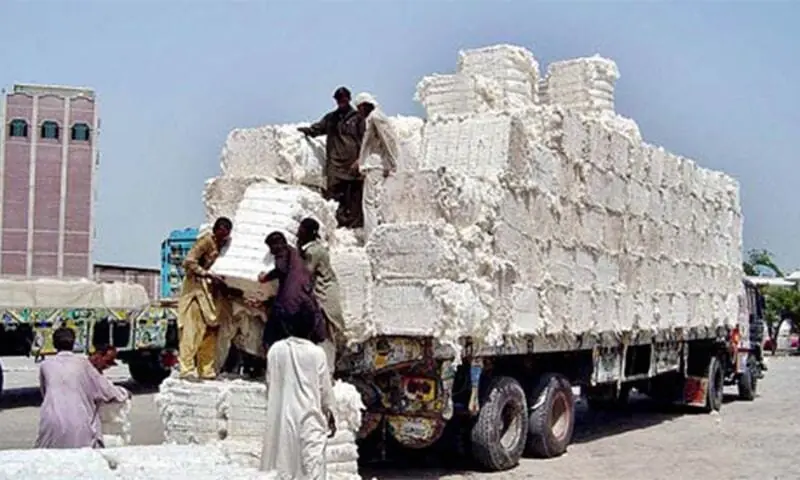
There are actually good reasons for the switch, from the farmer’s point of view. The ending of the restriction on sugar mills has meant that sugarcane has become attractive. If farmers are encouraged to switch back to cotton, sugar import would mean using foreign exchange the country can ill afford. The rice grown is also for export. To alleviate its own shortages, India banned the export of rice except Basmati. Pakistani farmers have jumped into the gap, growing the Kainat variety for export to former Indian markets, mostly in Central Asia. Again, cotton farmers have switched to rice because they are able to extract the water from the soil with solar-powered tubewells. The effect of low sowing will show up in low production, which will mean a bigger headache for the textile industry, the gap between supply and demand being filled by polyester fibre. The fibre is either imported, or if made in Pakistan, its feedstock is imported, Indeed, because of the cotton shortfall, some is being imported from the USA or Brazil. Again, if the country gains on the swings, it loses on the roundabouts, for though rice exports bring in foreign exchange, cotton or polyester sends it out once again.
A hidden factor has been the failure to develop disease-resistant seeds, which is something the government must take the lead in. Sugar mills and textile plants are now subject to the whims of the market, but the government has got to take into consideration the needs of all stakeholders, including the farmers. It seems as if some sort of zoning system for sugar will have to be reintroduced, for the invisible hand of the market does not answer all questions.

The Editorial Department of Pakistan Today can be contacted at: [email protected].
View all articles →Comments
No comments yet. Be the first to join the discussion!