Punjab falls 18pc short of cotton cultivation target
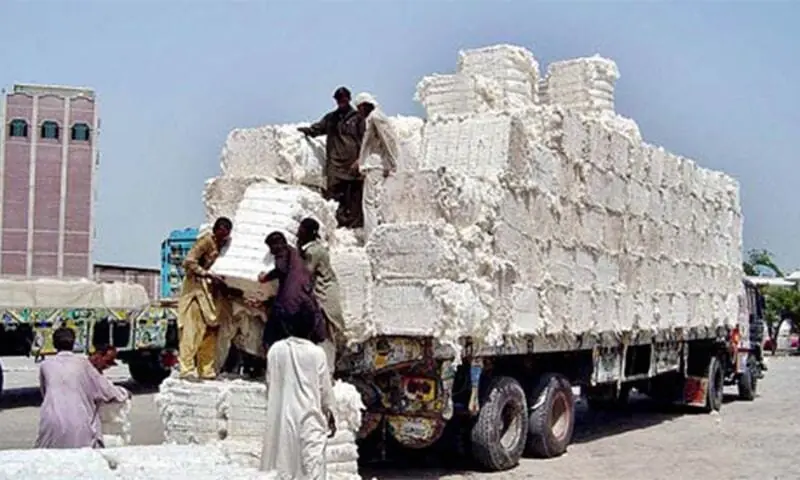
Punjab has missed its cotton cultivation target for 2026-27 by 18pc, with official figures showing sowing on 2.614 million acres against a 3.2 million acre goal. The shortfall has raised concerns over higher cotton and edible oil imports and added pressure on the textile sector.

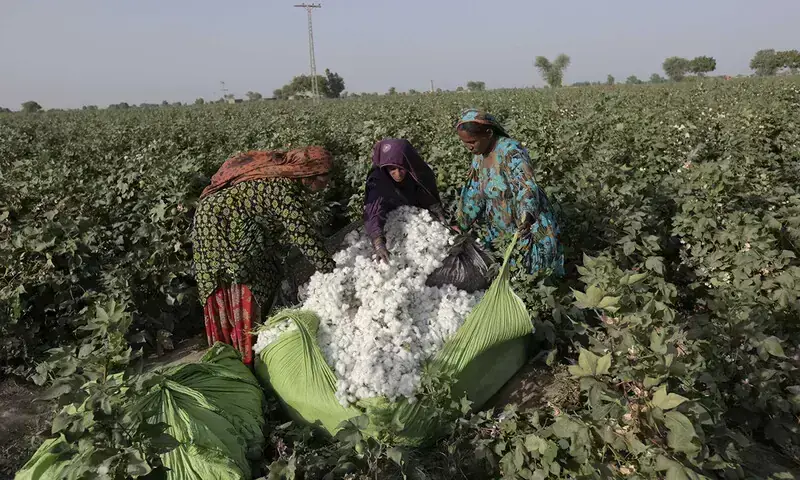
LAHORE: Punjab has missed its cotton cultivation target for the 2026-27 season by 18 per cent, according to final figures issued by the Crop Reporting Services of the Punjab Agriculture Department, a shortfall that has sharpened concerns over higher cotton and edible oil imports.
The provincial government had set a target of bringing 3.2 million acres under cotton this season. Official data, however, showed cultivation on 2.614 million acres, leaving a gap of 586,000 acres. The area under cotton is also 512,000 acres lower than last year, indicating a notable year-on-year decline.
The figures show that northern Punjab’s four divisions — Sargodha, Lahore, Faisalabad and Sahiwal — recorded cotton sowing on 205,000 acres against a target of 305,000 acres. In southern Punjab, covering the divisions of Bahawalpur, Multan and Dera Ghazi Khan, cultivation reached 2.409 million acres compared to a target of 2.895 million acres.
Reasons behind the decline
Chairman Cotton Ginners Forum Ihsanul Haq linked the fall in cultivation to unfavourable weather and the establishment of new sugar mills in and around Rahim Yar Khan and the Punjab-Sindh border belt, saying these developments encouraged growers to move away from cotton.
The lower acreage has raised expectations that Pakistan may have to import more cotton than previously anticipated during the year. Reduced cotton output is also expected to cut cottonseed production, which may in turn increase the country’s edible oil import bill by billions of dollars.
Budget pressure and price movement
The cotton sector is also facing pressure after the federal budget did not offer major relief to the ginning industry. In this environment, cotton and phutti prices have remained under strain across the country.
After the budget announcement, the Karachi Cotton Association’s spot rate fell by Rs2,500 per maund. In the open market, cotton prices also dropped by Rs2,500 to Rs3,000 per maund, settling at around Rs19,250 per maund in Punjab and Rs18,250 per maund in Sindh.
Recent rainfall in key cotton-growing areas has, however, disrupted phutti arrivals, and market observers expect some improvement in cotton and phutti prices during the current week.
Industry seeks tax relief
The Pakistan Cotton Ginners Association has stepped up efforts to obtain relief for the sector. A high-level delegation of the association recently met Federal Finance Minister Muhammad Aurangzeb, senior parliamentarian Sardar Naveed Qamar and senior Federal Board of Revenue officials.
According to Mr Haq, the delegation was given assurances that the proposed 18 per cent sales tax on cottonseed and oilcake could be withdrawn at the final approval stage of the federal budget. The Senate has already recommended scrapping the levy, and industry stakeholders are hopeful that budget changes will provide relief.
Market analysts believe that if the sales tax is removed, prices of cotton, phutti, cottonseed and oilcake could rise sharply.
Broader textile sector concerns
Mr Haq also referred to concerns raised by All Pakistan Textile Mills Association Chairman Kamran Arshad about the wider condition of the textile industry. Citing figures mentioned by Arshad, he said the number of Aptma member textile mills had fallen from 402 in 2008 to 182 at present, while some of the remaining units were also reportedly inactive.
Arshad attributed the contraction to heavy taxation, elevated electricity tariffs, borrowing costs that he described among the highest in the world, and delays in the release of billions of rupees in refunds. Industry representatives warned that without meaningful support for the country’s largest export-oriented sector, the economy could face additional pressure as textile and cotton output weaken.
Comments
No comments yet. Be the first to join the discussion!