June 29, 2026
US-Iran talks face uncertainty after fresh strikes around Strait of Hormuz
Fresh US-Iran strikes have thrown planned negotiations into doubt, with a possible Doha meeting now expected to focus on the Strait of Hormuz. Diplomats say both sides remain in Switzerland awaiting a political decision on resuming talks.

June 29, 2026
WASHINGTON: Efforts by the United States and Iran to defuse their standoff appeared increasingly uncertain after a new round of military exchanges over the weekend disrupted a planned negotiating track and shifted attention to the Strait of Hormuz.
Iran did not join technical discussions scheduled for Sunday because of recent attacks on the country and because conditions tied to the memorandum of understanding with the United States had not been fulfilled, according to a member of the Supreme Leader’s Office speaking to Iranian state television. Several US media outlets, including the Wall Street Journal, CNBC and NBC News, reported that talks due to continue in Switzerland had been put off amid the renewed fighting.
Axios, however, reported that a senior US official said both sides had agreed to stop attacking each other. US and Iranian officials were now expected to meet in Doha on Tuesday to address their dispute over the Strait of Hormuz. The meeting had originally been planned for Switzerland to discuss Iran’s nuclear programme, but the latest escalation prompted both a venue change and a narrower focus on the strategic waterway. Nick Stewart, who leads the US technical team, is expected to attend.
Dawn learnt from diplomatic circles in Washington that the negotiations were presently on hold, though representatives of both countries remained in Switzerland while awaiting a political decision on whether discussions would resume. One diplomatic source told Dawn that Pakistan and other mediators had helped persuade Washington and Tehran to enter talks, but said difficult negotiations on the core issues were always expected and that both sides still recognised that war was not a solution.
Strikes and warnings
The diplomatic strain followed tit-for-tat attacks and a warning from US President Donald Trump, who said Washington could escalate militarily if attacks connected to Hormuz continued. In a post on Truth Social, he accused Iran of breaching the ceasefire arrangement again.
"There may come a point when we are no longer able to be reasonable, and will be forced to militarily complete the job that we very successfully started. If that happens, the Islamic Republic of Iran will no longer exist!," he wrote.
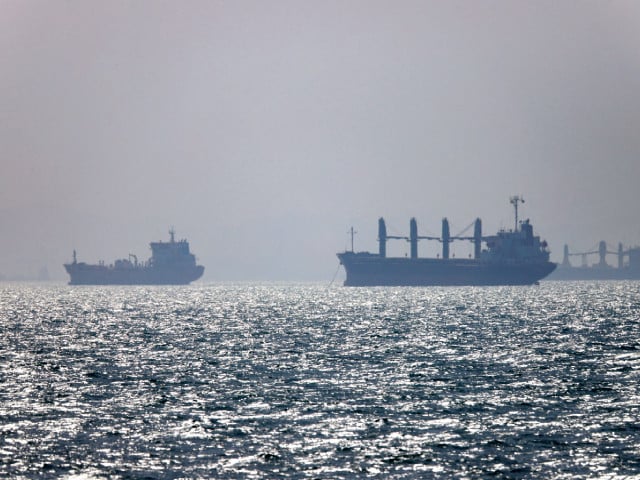
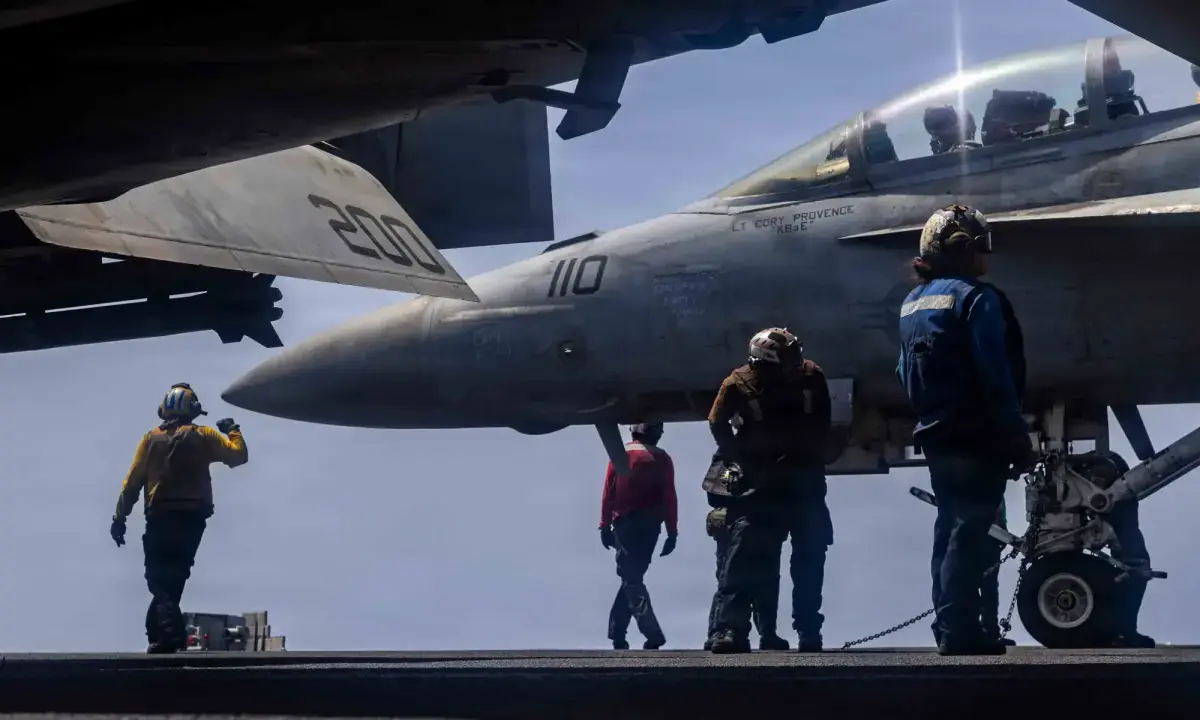
US Central Command said American fighter aircraft struck 10 Iranian military targets near the Strait of Hormuz after a drone attack damaged the Panamanian-flagged oil tanker M/T Kiku, which was carrying more than two million barrels of crude through the waterway.
Iran’s Revolutionary Guards said in response that they launched missile and drone attacks on US military sites in Kuwait and Bahrain in retaliation for recent strikes on Iran. A US official, speaking to Reuters, confirmed attacks on American facilities and said there had been no US casualties or major damage, although the situation was still developing. Later, alarms sounded again in Bahrain, where authorities said an Iranian attack had damaged a residential building in Muharraq province.
The IRGC also warned that US bases in the region would experience hell in the coming days, and said any breach of the ceasefire by Washington would bring all diplomatic activity to a complete stop. During negotiations in Switzerland, the US side had agreed to create a hotline between the American military and the IRGC to manage shipping movement in the strait. Axios reported that the hotline was still not operational as of Saturday, even as Iran said vessels needed to coordinate their passage.
Iran position on the strait
During a visit to Iraq, Iranian Foreign Minister Abbas Araghchi said any attempt to challenge Iran’s handling of the Strait of Hormuz would only deepen tensions and delay its reopening. Speaking at a news conference in Baghdad, he said the waterway would remain under Iran’s full supervision and management for the next 30 days and that full operating capacity would be restored once obstacles were removed.
"Any attempt to adopt new or separate arrangements compared to what is underway by the Islamic Republic of Iran will only lead to more complicated situations and delays in the reopening of the Strait of Hormuz, and will increase the tensions, as we witnessed in the past two nights," he said.
Araghchi said responsibility in this regard rested with Iran alone and that this was clear under the memorandum of understanding. He added that any intervention or unilateral move would worsen the situation and postpone the reopening of the strait.
AFP reported that the Iranian foreign minister also called for a regional security arrangement involving Gulf countries alone, after Iranian attacks on US bases in the Gulf carried out in response to American strikes. "We should reach a new framework that includes all countries in the region and without the presence or interference of any country from outside the region," he suggested.
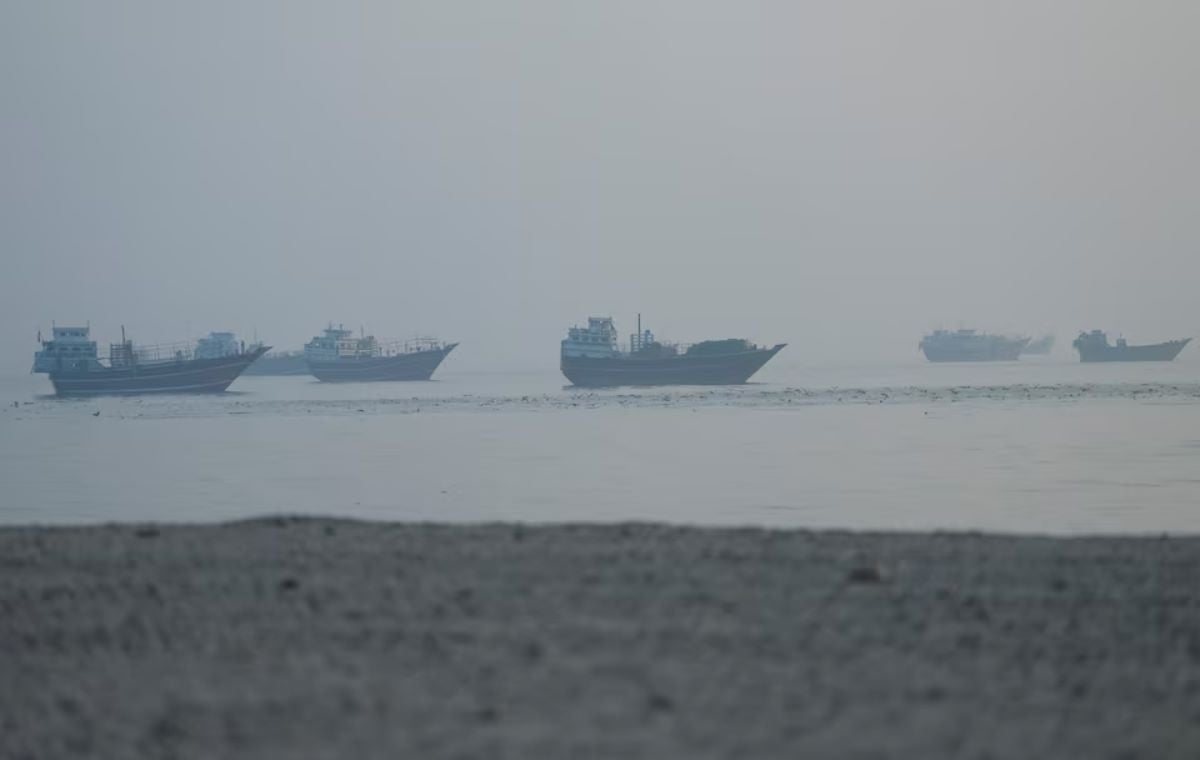
Washington has been promoting a southern shipping lane along Oman’s coast, while Tehran wants vessels to use a northern route passing through Iranian waters and under Iranian control, as it ultimately seeks to charge fees for use of the strait.
0 Comments
No comments yet. Be the first to join the discussion!