US-Iran clashes in Strait of Hormuz strain fragile Gulf ceasefire
US and Iranian forces exchanged fire in the Strait of Hormuz, with both sides offering conflicting accounts as attacks spread to the UAE and Oman. Oil prices jumped, markets fell and airlines suspended services across key Gulf routes.

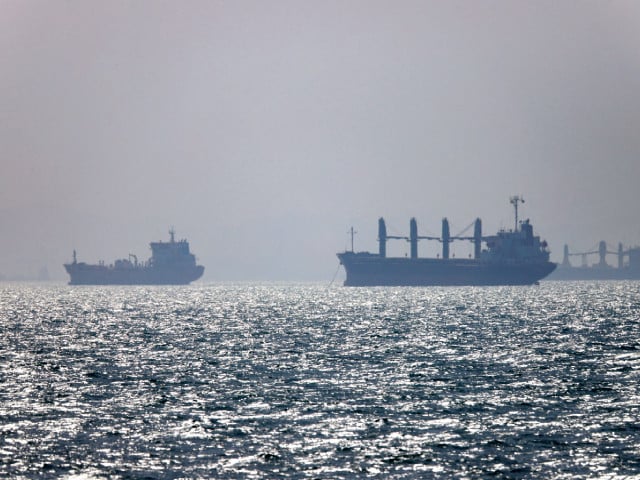
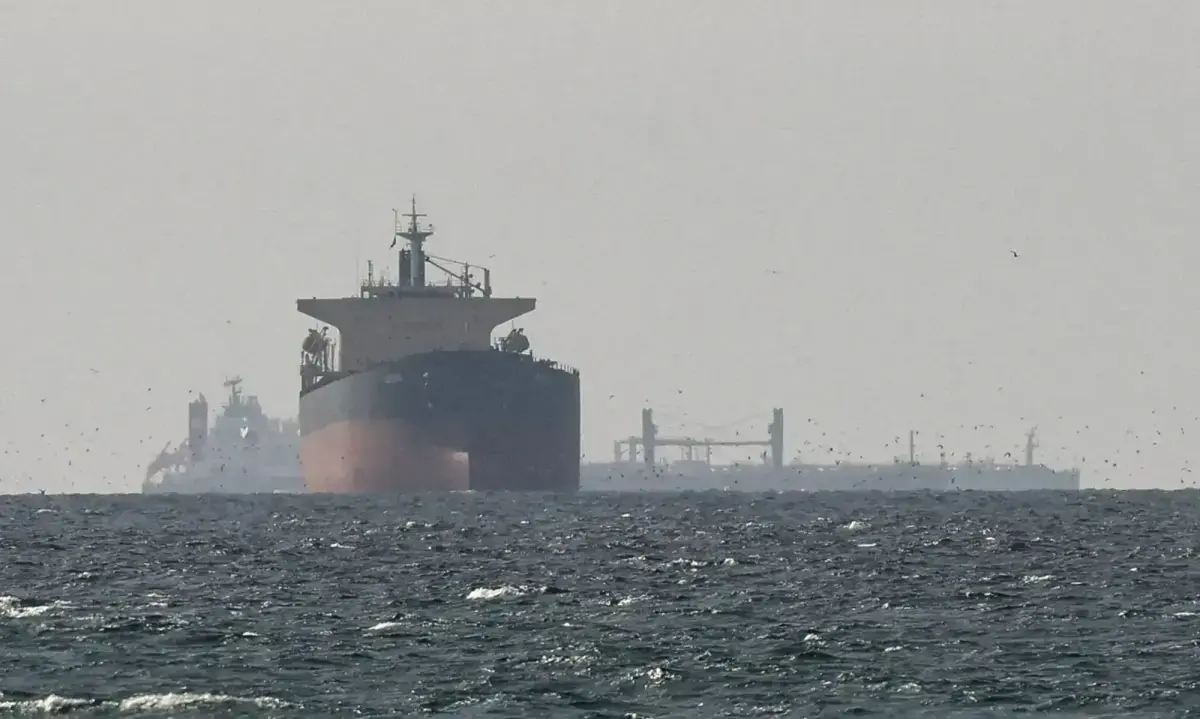
Washington: A direct confrontation in the Strait of Hormuz on Monday put a fragile ceasefire in the Gulf under severe pressure as US and Iranian forces exchanged fire, attacks hit shipping and regional oil facilities, and concerns grew over a broader escalation that has already unsettled global energy markets.
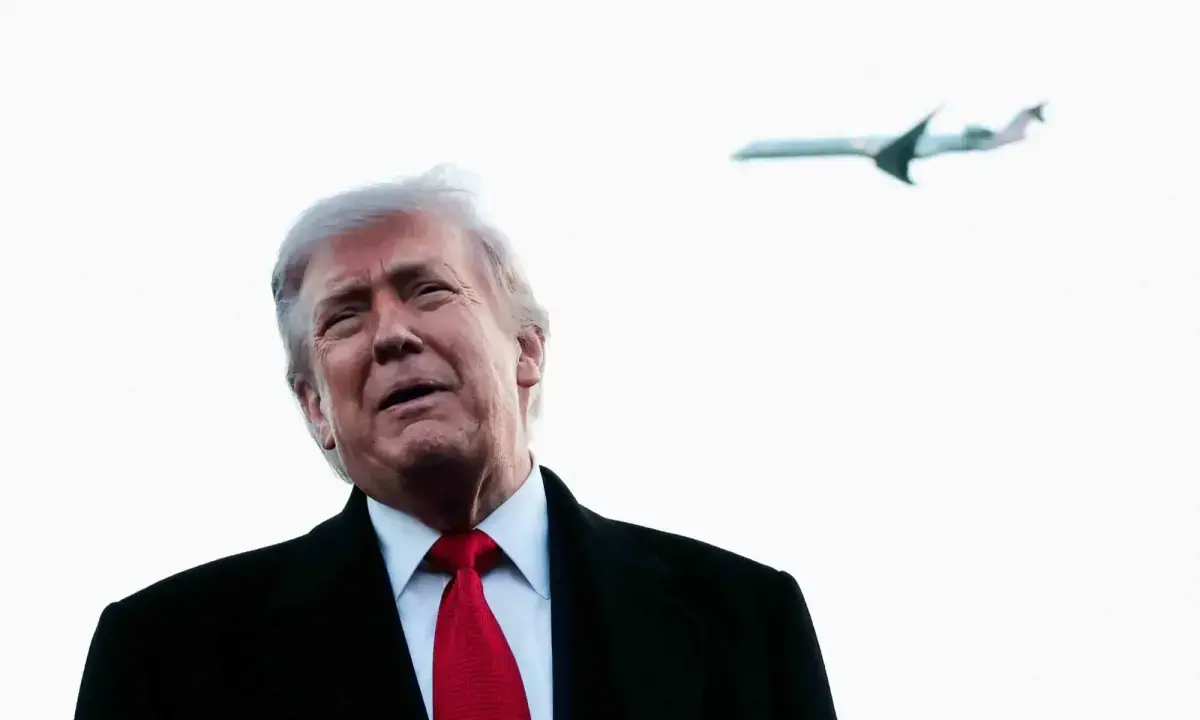
The latest developments came after US President Donald Trump announced a new initiative to reopen the Strait of Hormuz. Accounts from Washington and Tehran differed sharply, with both sides accusing the other of provocation while claiming success in the confrontation.
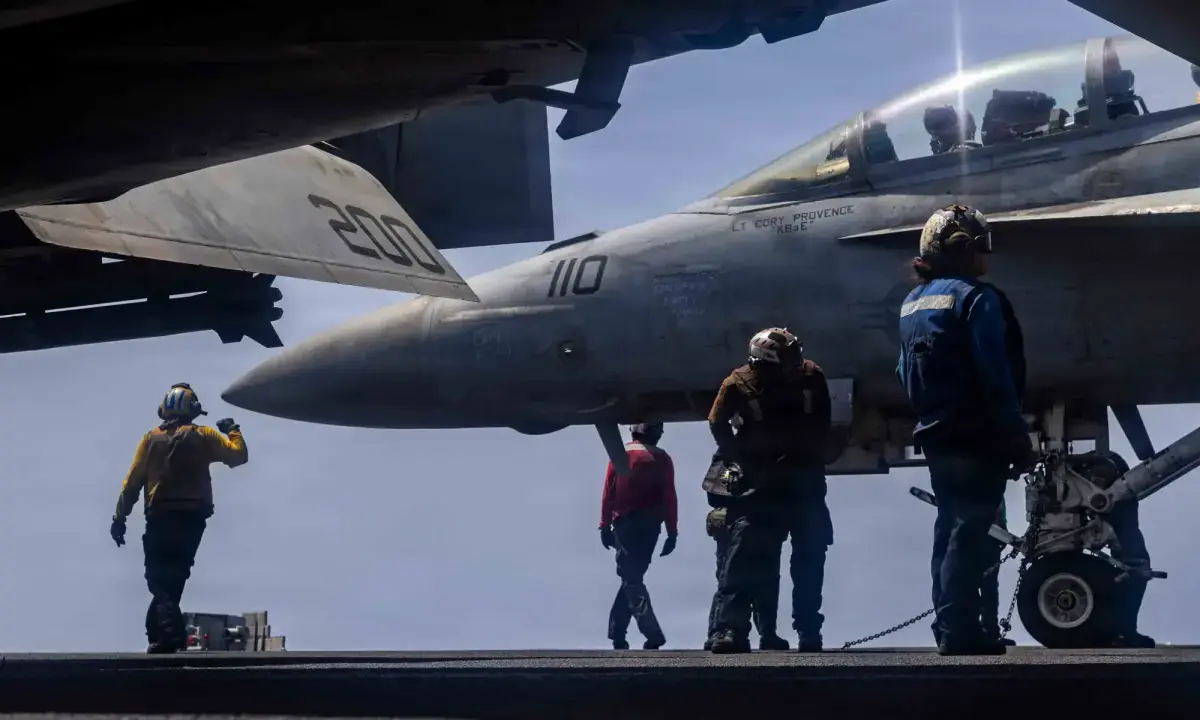
According to US Central Command (CENTCOM), American forces destroyed six Iranian boats after Iran launched cruise missiles, drones and small-boat attacks against US Navy vessels and commercial shipping in the strategic waterway. US officials said the action followed an escalation in attacks on merchant shipping by Iranian forces.
CENTCOM chief Admiral Brad Cooper said US Apache and Seahawk helicopters struck Iranian small craft that were threatening commercial shipping. He also said US forces had effectively engaged missiles and drones aimed at both military and civilian targets.
Iran rejected the US account that its boats had been destroyed. Earlier, the United States said two American-flagged merchant vessels had completed passage through the waterway under the new protection effort. However, statements linked to Iran’s Revolutionary Guard said no commercial ships had crossed the Strait during the period in question.
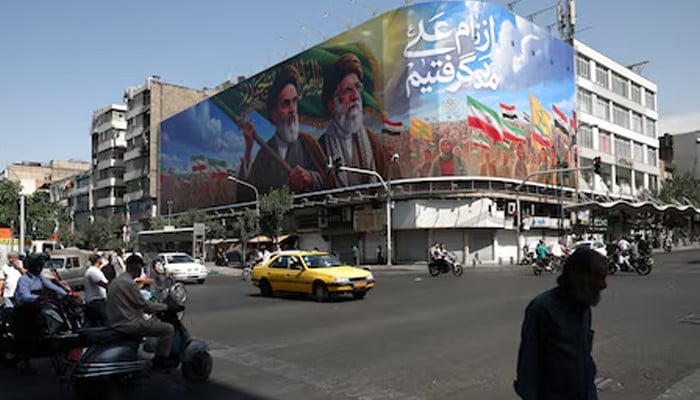
"We warn that any foreign military force - especially the aggressive US military - that intends to approach or enter the Strait of Hormuz will be targeted," Maj-Gen Ali Abdollahi told state broadcaster IRIB on Monday.
Trump defended the US operation, which he has described as Project Freedom, saying it was intended to secure maritime traffic through the Strait of Hormuz. He said US forces were escorting ships safely and claimed Iranian actions had caused limited damage. He later intensified his warning, saying Iranian forces would be blown off the face of the Earth if US ships were attacked, while also saying Tehran’s negotiators were showing flexibility in ongoing diplomatic contacts.
Trump also said US forces had shot down Iranian boats and intercepted missiles and drones, although official statements differed on the number of assets destroyed. He also called on South Korea to join the mission after one of its vessels was reportedly affected in the Strait.
Regional fallout widens
The crisis also spread beyond the Strait. In the United Arab Emirates, authorities reported a drone strike that caused a fire at an oil facility in Fujairah, while British maritime sources said ships were seen ablaze off the Emirati coast. Fujairah authorities said an Iranian drone caused the fire at a major oil installation, injuring three Indian nationals.
Admiral Cooper said the Fujairah incident fell under UAE national jurisdiction and was not part of the new US effort to restore commercial shipping through the Strait.
"Four cruise missiles launched from Iran were detected toward various areas across the country. Three were successfully engaged over the country's territorial waters, while one fell in the sea," the UAE defence ministry said on X.
The ministry said sounds heard in different parts of the country were caused by air defence systems engaging threats. The education ministry said distance learning had been reintroduced at educational institutions for the week. FlightRadar24 data showed that airspace over the UAE was largely cleared during Monday as the country faced repeated drone alerts. The UAE called the attacks a dangerous escalation and said it reserved the right to respond.
A CNN report said an Israeli Iron Dome air defence system, operated by Israeli personnel and deployed in the UAE, was involved in intercepting Iranian missiles. The Israeli military said it was closely monitoring the situation and remained on high alert.
In Oman, authorities said a residential building in Bukha was hit, leaving two foreign nationals moderately injured. The Omani defence ministry said the building housed workers of a company, four vehicles were damaged and windows in a nearby house were shattered. The ministry did not say whether the incident resulted from an attack or identify the source, adding that an investigation was under way.
Markets and travel disrupted
The economic impact was immediate. Oil prices rose by more than 5%, with Brent crude climbing sharply on fears that disruption in the Strait of Hormuz could continue. The waterway carries about one-fifth of global oil and liquefied natural gas flows.
Global stock markets also fell as concerns over an energy shock intensified. Major US indexes declined, European markets dropped sharply amid renewed geopolitical risk and tariff worries, and currency markets saw volatility, particularly in the yen.
The aviation sector was also hit, with airlines in Europe, Asia and the Middle East cancelling or rerouting flights. Carriers named in the report included Air France-KLM, Lufthansa Group, Qatar Airways, Emirates, Air Canada and several low-cost airlines, all of which suspended services to key Gulf destinations.
Turkey warned that the international community should prepare for a prolonged energy crisis linked to the conflict. Officials in Ankara said global markets could remain under pressure if disruption in the Strait and surrounding regional supply routes continues.
Comments
No comments yet. Be the first to join the discussion!