US-Iran deadlock deepens as Hormuz standoff fuels risk of renewed conflict
The US and Iran remain deadlocked three months after the war began, with the Strait of Hormuz at the centre of the crisis. Analysts and officials say stalled Pakistan-mediated talks and widening economic strain are increasing the risk of renewed conflict.

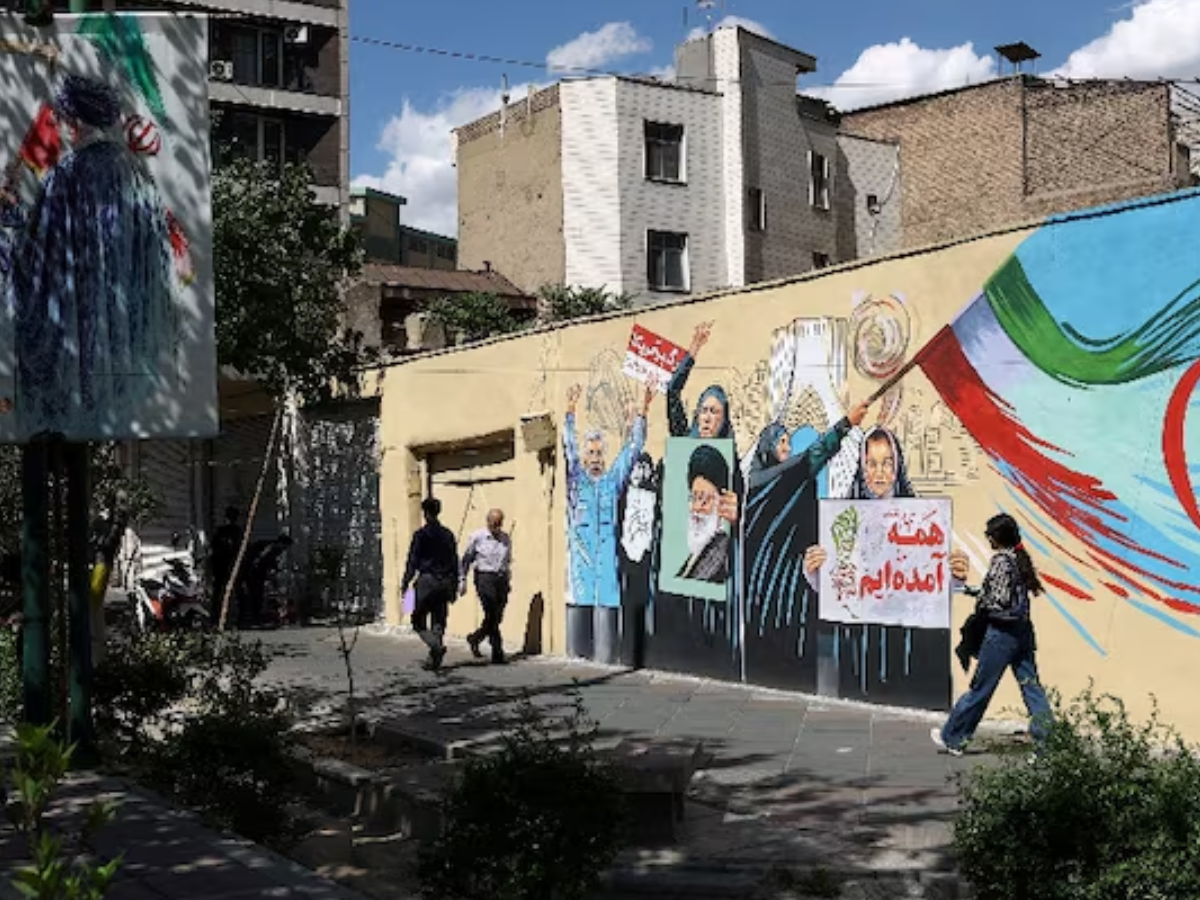
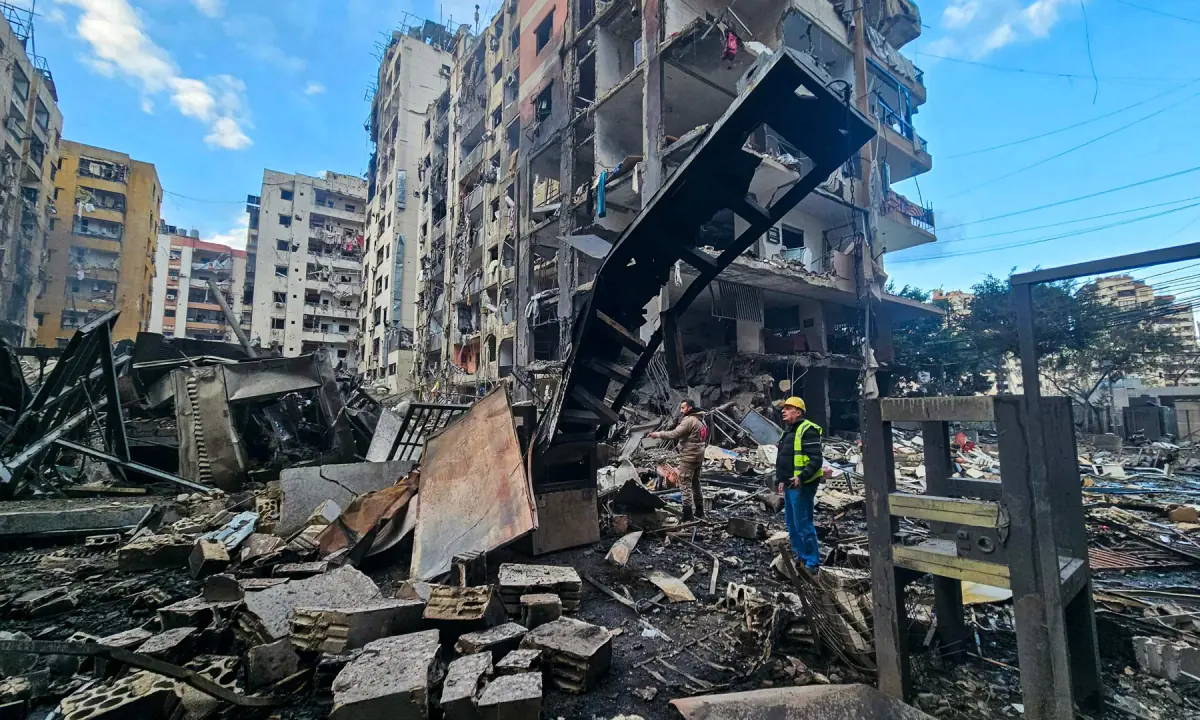
WASHINGTON: Three months after the United States and Israel launched attacks on Iran, Washington and Tehran remain locked in a prolonged confrontation marked by a US blockade, Iran’s hold over the Strait of Hormuz and no visible breakthrough in indirect diplomacy.
The impasse has heightened concern among policymakers over how long the standoff can continue before a miscalculation by either side leads to another round of fighting. Calls for fresh military action are gaining traction in the US and Israel, even as public opinion on the war remains tilted against renewed strikes.
Talks remain stalled
Indirect negotiations mediated by Pakistan have so far failed to produce progress, with both sides treating time as a source of leverage. The United States wants Iran to stop uranium enrichment for 20 years and transfer its stockpiles to the US, while Iran is demanding an end to attacks, security guarantees, compensation for war damage and recognition of its sovereignty over the Strait of Hormuz. Washington has rejected those terms.
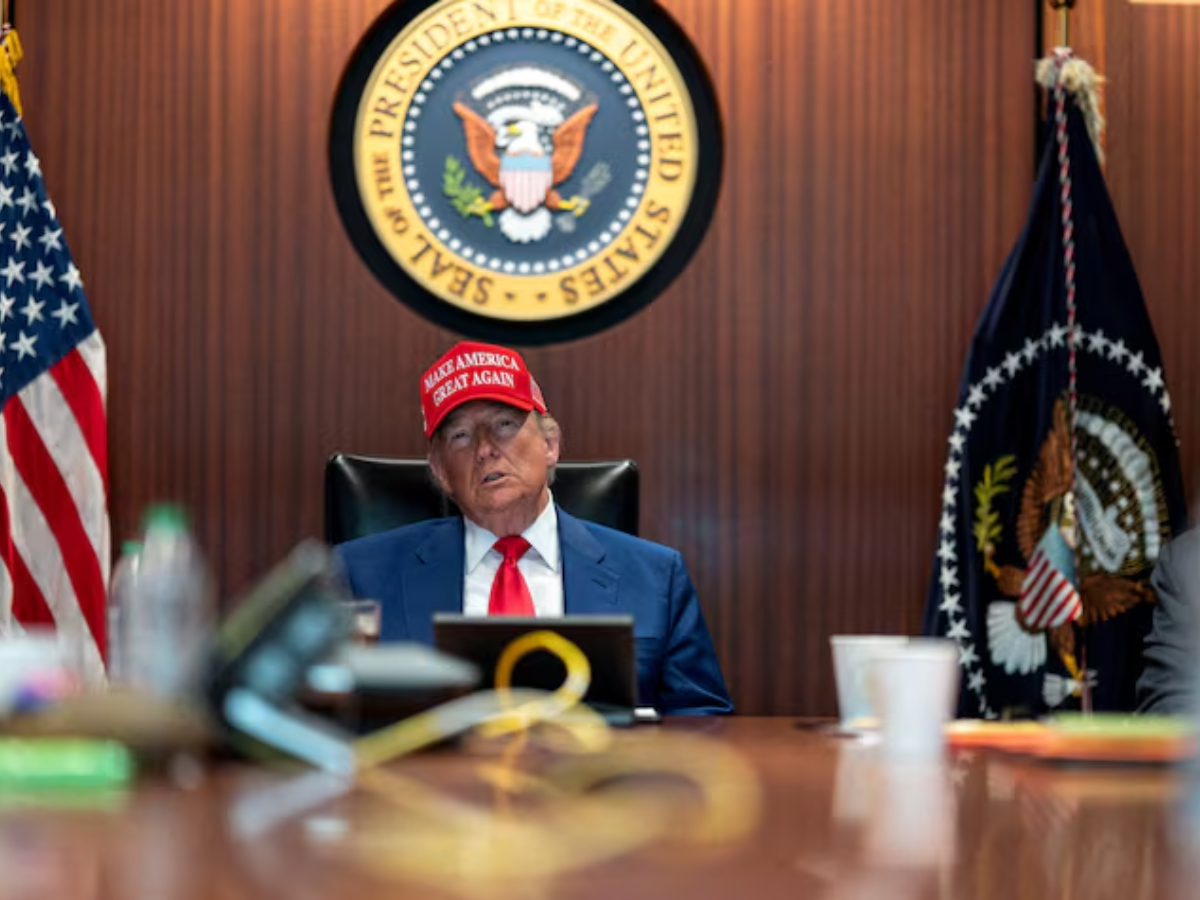
President Donald Trump has also publicly warned Tehran to move quickly toward an agreement, saying the clock is running out and threatening severe consequences if no deal is reached.
Ali Vaez of the International Crisis Group said neither side had shown readiness to make the concessions required for an agreement. He said both governments believed they held the advantage and that this perception was blocking a settlement.
Iranian officials told Reuters that concessions on the missile programme, nuclear capabilities or control of the strait are viewed not as negotiable policy matters but as central to the Islamic Republic’s survival. Danny Citrinowicz, a senior researcher on Iran at Israel’s Institute for National Security Studies and a former head of the Iran branch in Israeli Defence Intelligence, said previous attempts to force Iran into retreat had already failed.
Speaking about the current trajectory, a regional official said the confrontation had become a war of attrition and that the possibility of another US-Israeli attack was increasing.
Hormuz at the centre
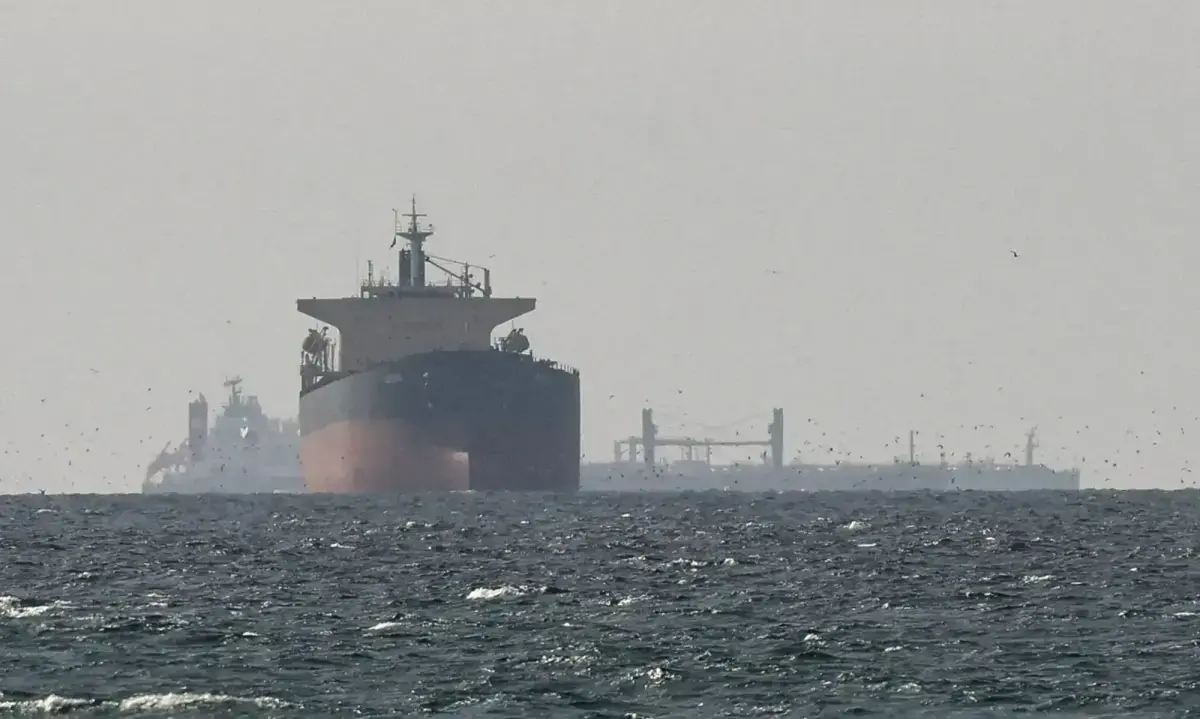
The standoff is focused heavily on the Strait of Hormuz, one of the world’s most important energy corridors. Before the war, the waterway handled about 25% of global oil trade and 20% of liquefied natural gas. With the strait now nearly shut, the economic impact is widening and supply disruptions are mounting.
Aaron David Miller, a former US official and Middle East negotiator, said control over Hormuz would be the main test of success or failure for Washington. He said the way the crisis ends could shape Trump’s foreign policy standing and added that reopening the waterway without a political settlement would require
“a prolonged American occupation with ground forces of Iranian territory”
Vaez argued there was no military answer to the Hormuz issue other than a costly option Trump might be unwilling to pursue, leaving negotiations as the only realistic route.
Iran’s position and economic strain
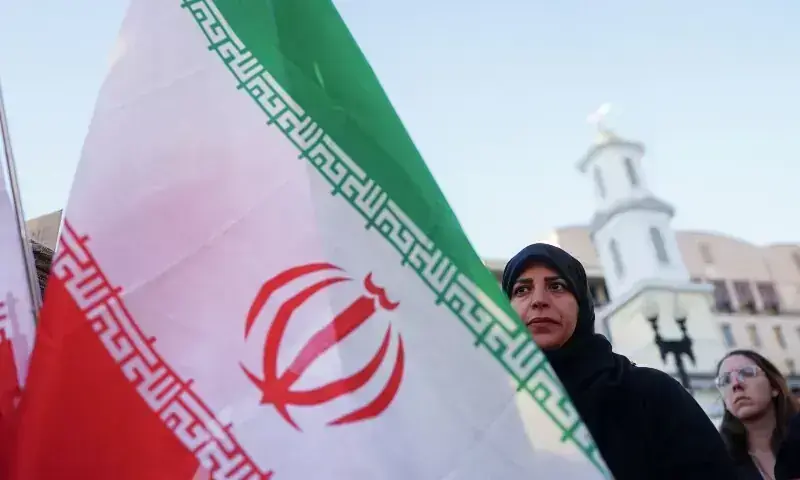
A senior Iranian official said Tehran sees its enriched uranium stockpile and control of Hormuz as strategic assets tied directly to its survival.
“Iran is therefore determined to use these assets to guarantee its interests,”
the official said, adding:
“We fight, we die, but we don't accept humiliation. Surrender is fundamentally incompatible with Iran's identity.”
A second Iranian official said Tehran believed it had already prevailed by refusing to yield despite weeks of US and Israeli strikes. He said more attacks would not alter Iran’s calculations and would only intensify the confrontation.
At the same time, sources close to the Iranian establishment described growing internal concern over a prolonged “no war, no peace” situation as inflation rises, unemployment worsens and strikes on key industries further damage the economy.
According to those sources, Iran is seeking an initial arrangement to end the war that would reopen Hormuz under Iranian oversight in return for lifting the US blockade, with more difficult issues such as sanctions relief and nuclear restrictions to be addressed later. The US position, is that ending the war should be left to later negotiations.
On the nuclear file, Iranian sources said Tehran could dilute its stockpile of 440 kg of highly enriched uranium or send part of it abroad, preferably to Russia, so it could recover it if Washington breached any agreement. Washington has rejected that proposal. The same sources said Iran is also seeking a shorter suspension of enrichment than the 20 years demanded by Washington, along with full access to $30 billion in frozen assets, while the US has agreed only to release a quarter of those funds on a timetable.
Tehran is also seeking a new governance arrangement for Hormuz and opposes a return to the pre-war setup, while the US is insisting on the unconditional reopening of the waterway without tolls or veto power.
Analysts warn pressure may backfire
Former State Department Iran official Alan Eyre, who participated in earlier US-Iran talks, said a deal may be beyond reach and argued that Trump wanted not only to win but to humiliate Iran.
Citrinowicz said the US-Israeli strikes had not achieved a decisive strategic result.
“We didn’t topple the regime -- we have a more radicalised one. We didn’t end Iran’s missile capacity. And they still have the uranium.”
He also warned that overestimating pressure and underestimating Tehran’s ability to absorb pain could create further danger.
“It raises the risk that Washington once again enters a confrontation expecting coercion to produce capitulation, and discovers, too late, that the regime was prepared to absorb far more pain than anticipated,”
he said.
Comments
No comments yet. Be the first to join the discussion!