June 24, 2026
Heated exchanges mark fifth day of Sindh Assembly budget debate
The Sindh Assembly’s budget debate saw treasury and opposition members clash over taxation, development, water shortages and local government. Ministers defended the government’s performance, while opposition lawmakers challenged its claims on services and governance.

June 24, 2026
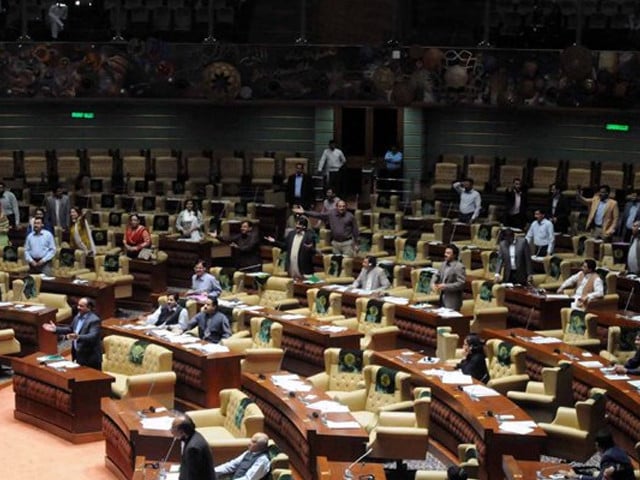
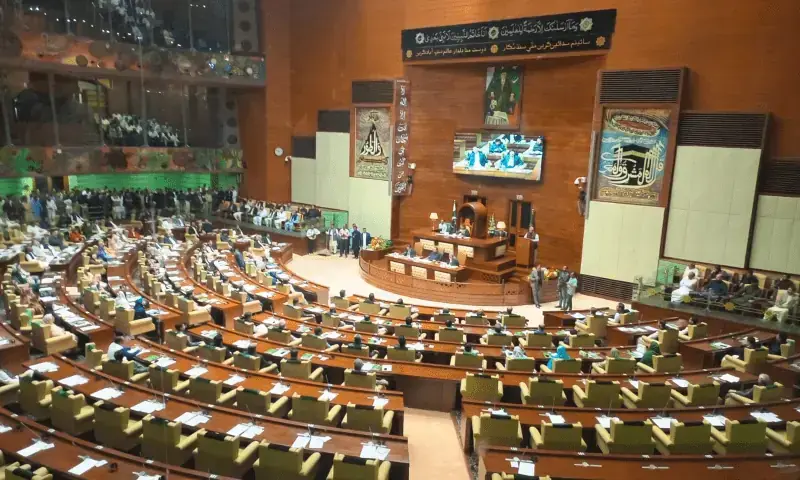
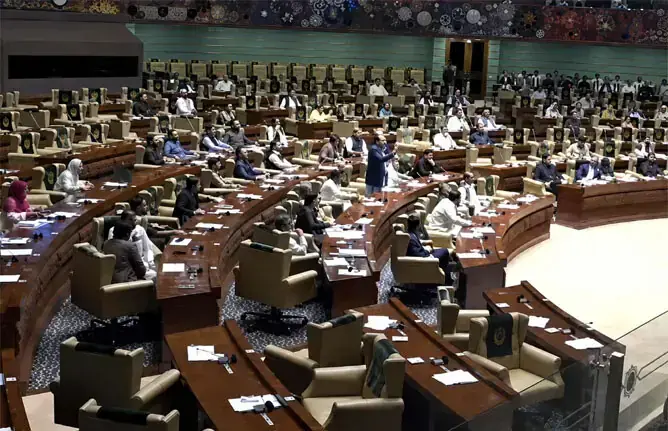
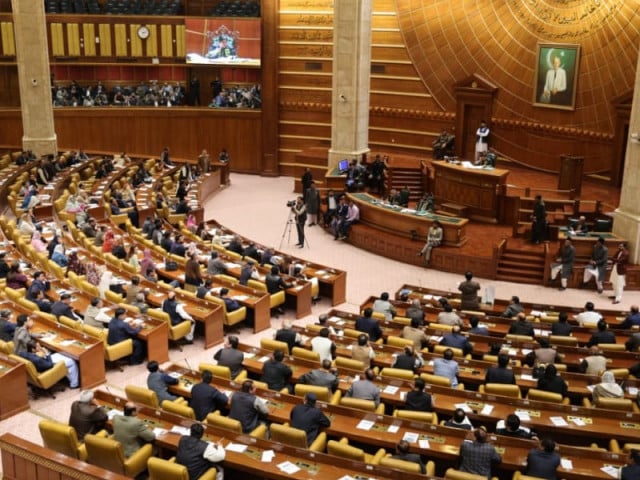
KARACHI: Sharp exchanges between treasury and opposition members dominated the fifth day of debate on Sindh’s budget on Tuesday, as provincial ministers defended the government’s spending priorities and development plans while opposition lawmakers questioned its record on civic services, local government and Karachi’s unresolved issues.
The sitting, presided over by Speaker Owais Qadir Shah, featured speeches from senior ministers and opposition legislators during discussion on the budget for the next fiscal year. Planning and Development Minister Jam Khan Shoro said Sindh was being compelled to shoulder the federation’s burden because of weakening tax collection by the Federal Board of Revenue. He said the province would provide Rs260 billion to the federal government in grants and asked why the FBR had failed to raise revenue growth while the Sindh Revenue Board had increased collections to Rs350 billion.
Shoro also said foreign-funded projects worth Rs1.9 trillion were under way in Karachi and criticised MQM-P’s federal ministers for not speaking up on federal revenue matters. He further warned that Sindh was facing a 48 per cent water shortage and said the chief minister had written to the federal government on the issue.
Ministers defend government record
Education Minister Syed Sardar Shah said the provincial government had hired nearly 97,000 teachers and set up 32 universities since 2008. He announced the launch of a Student Attendance Monitoring System with World Bank support and said the authorities were working with NADRA to integrate children’s B-Form data into the education system. He said education should not be seen only as a route to public sector employment and stressed the need for the responsible use of Artificial Intelligence.
He also defended Sindh’s territorial unity, saying Karachi was an inseparable part of the province, and called for a political discourse that was less divisive and more constructive. Health Minister Dr Azra Pechuho said changes introduced in the health sector would start showing clear results within the next two years. She cited the launch of vascular surgery services at the Trauma Centre in Karachi, expansion work at hospitals in Ancholi, Gulberg and Gulshan-e-Hadeed, and efforts to set up chest pain units across Sindh.
Agriculture Minister Sardar Muhammad Bakhsh Mahar said the province had recorded wheat production of 4.9 million metric tonnes. He also announced plans to establish an agricultural university in Ghotki and introduce a Sindh Youth Card. In addition, he said anti-corruption institutions were being reinforced, with 130 officers promoted and action promised against corrupt officials.
Opposition raises service delivery concerns
Opposition lawmakers disputed the government’s claims and said basic governance and municipal problems remained unresolved. MQM-P lawmaker Rashid Khan said a number of development commitments made in earlier budgets had not been fulfilled and blamed administrative inefficiency for continued difficulties, including water shortages and staffing gaps at Hyderabad Civil Hospital.
Jamaat-e-Islami member Muhammad Farooq said Karachi contributed the highest share of taxes but was still dealing with water scarcity, poor sanitation and slow-moving infrastructure schemes. He alleged that delays in the K-IV water project were benefiting the tanker mafia and questioned the use of budget allocations.
MQM-P’s Najam Mirza criticised the government for not announcing a Provincial Finance Commission Award and said local governments were getting a smaller portion of provincial resources. Another MQM-P member, Rehan Akram, asked about progress on the Safe City project and criticised water infrastructure planning in North Karachi. Abdul Waseem of MQM-P said the PPP had governed Sindh for 18 years and should answer for the province’s performance. He also called for a 15 per cent increase in salaries for government employees and greater authority for local government representatives.
PTI lawmaker Rehan Rajput acknowledged improvements in the health sector but warned that the growing pension bill could become unsustainable. He proposed raising the retirement age from 60 to 65 years.
During the session, Speaker Owais Qadir Shah announced that future sittings of the Sindh Assembly would be paperless. The house was later adjourned until Saturday afternoon.
0 Comments
No comments yet. Be the first to join the discussion!