June 23, 2026
Israeli attacks in Lebanon nearly 'derailed' US-Iran talks: Dar
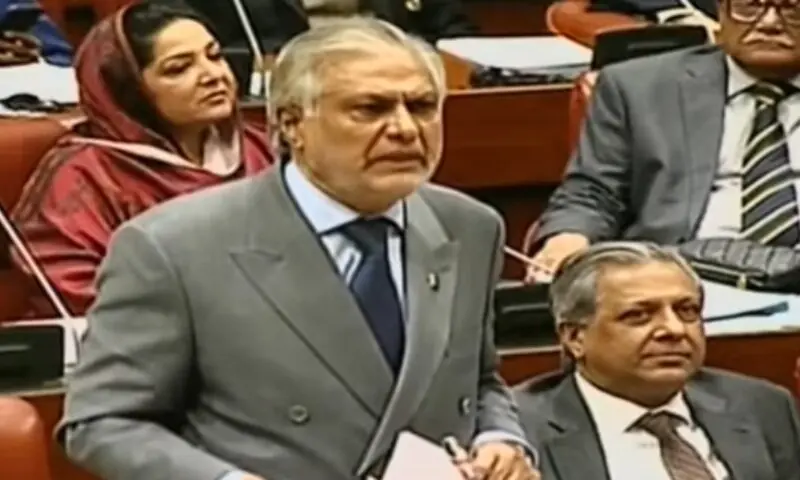
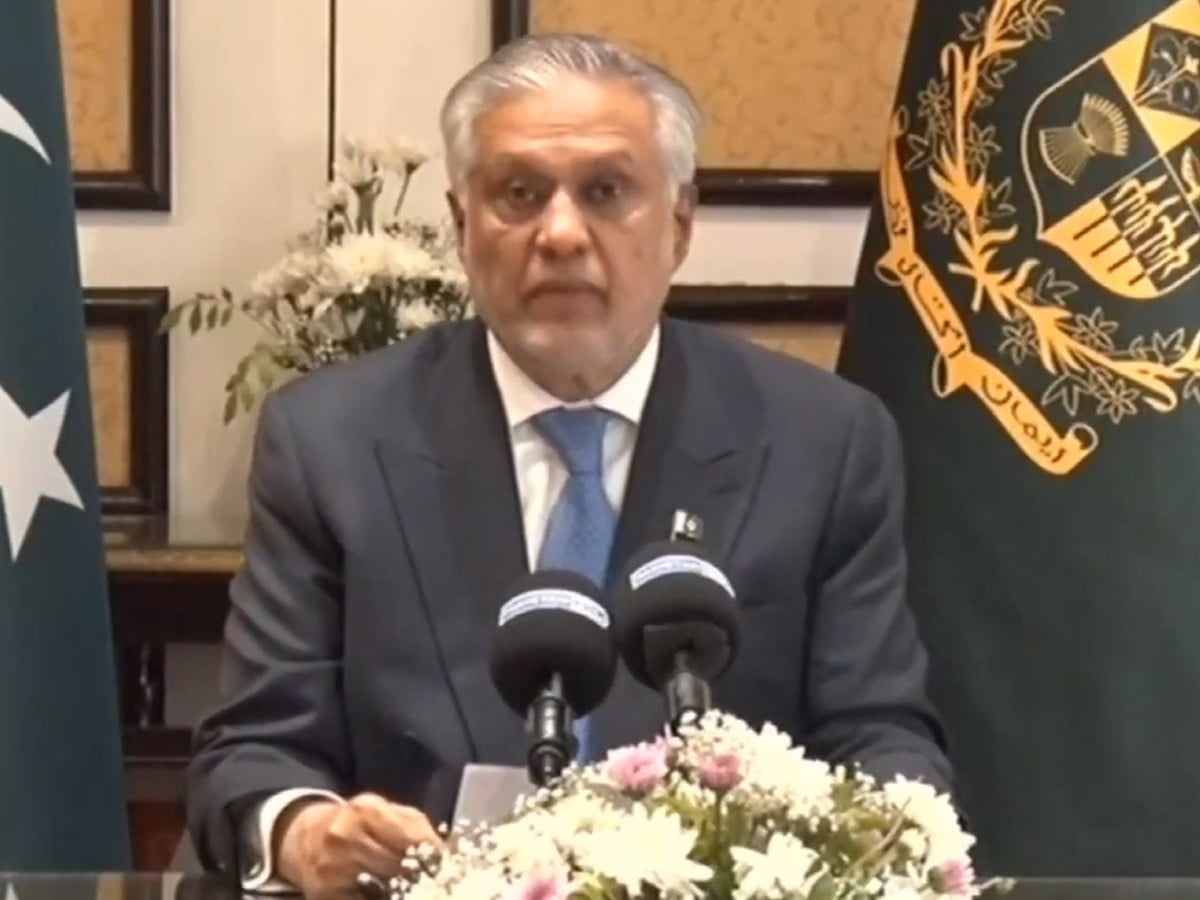
Deputy Prime Minister Ishaq Dar says Israeli attacks in Lebanon nearly disrupted US-Iran talks in Switzerland. He said Pakistan remained active in mediation and outlined a 60-day roadmap for a broader deal.

June 23, 2026
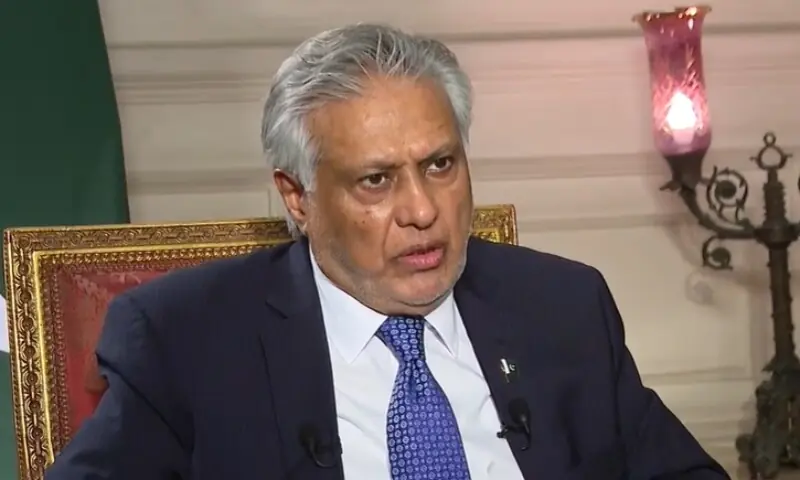
ISLAMABAD: Deputy Prime Minister and Foreign Minister Ishaq Dar has said Israeli attacks in Lebanon almost disrupted the latest round of US-Iran negotiations held in Switzerland, according to remarks he gave in an interview with Al Arabiya recorded before the talks began.
Dar said the discussions in Switzerland could have started earlier, but were delayed by developments linked to Lebanon. He said Pakistan had remained engaged diplomatically since the conflict began on February 28 and referred to the Pakistan-mediated ceasefire that was followed by talks in Islamabad in April.
Speaking about those contacts, Dar said Pakistan had been asked to serve as a witness when direct engagement took place between Washington and Tehran after decades. He also said Pakistan’s follow-up efforts after the Islamabad talks led to the signing of the Islamabad Memorandum of Understanding on June 18.
“Those parlays were the first time direct talks between the US and Iran after 47 years, and Pakistan was asked to be the witness,” DPM Dar said.
Dar said Pakistan had stayed highly active during the process, adding that it was not only mediating between the United States and Iran but also staying in touch with allied and friendly countries in the region. He said a regional forum had taken shape involving Pakistan, Egypt, Saudi Arabia and Turkiye, while work was also being carried out alongside Gulf states and other international partners.
Talks in Switzerland described as second phase
Referring to the negotiations in Burgenstock, Dar described them as the second phase of the process. He said three technical groups had been formed, with one focused on the nuclear file, another on sanctions and frozen assets, and a third on Lebanon.
“There are three technical groups. One is to deal with the nuclear issue, the second is about sanctions and frozen assets and third is Lebanon,” DPM Dar said.
He said the Lebanon issue had repeatedly surfaced during the peace process and again affected the momentum of the Switzerland talks. Dar also outlined the timeline under discussion, saying some items were to be concluded within 30 days, while the broader final agreement was to be completed within 60 days, with the possibility of an extension by mutual consent.
“For certain items, they have 30 days to conclude, but the bulk and overall conclusion of the final deal timeline is 60 days, and this can be mutually extendable,” he said.
Hormuz, energy prices and regional stability
Dar said signs of benefit from the diplomatic process were already visible, pointing to lower energy prices and the resumption of traffic through the Strait of Hormuz. He said the waterway should return to the status it had before the conflict, which in his words meant no fees or tolls.
He also referred to his March visit to China, saying Pakistan and China had agreed under a five-point plan that shipping through the strait should remain unrestricted. He said there should be no permits, tolls or extra charges, and that sea lanes should stay open in both directions. He added that the disruption of the strait had triggered an energy crisis and said there would be free movement through the waterway for at least 60 days.
“No permits, no toll, no additional charge, whatever you name it; it should be free movement and sea lanes should be freely moving [on] both sides,” Dar said.
Concern over Lebanon and call for international action
When asked whether there were guarantees to restrain Israeli action in Lebanon, Dar said the task of a facilitator or mediator was to keep pressing ahead even when talks appeared close to collapse. He said there had been moments when the process seemed unlikely to succeed, but added that efforts continued despite the presence of spoilers who did not want the agreement to go through. “The facilitator or mediator’s role is to keep trying and making efforts. There were points where things looked like that won’t be concluded, but we never gave hope [..] independently, there are spoilers who never wanted this deal to happen, and the moment this deal was signed, we saw that there was heavy bombing in Lebanon.”
Dar said wisdom should prevail and urged the international community to convince, persuade and influence Israel to stop attacks in Lebanon. He also referred to plans to revive efforts aimed at implementing Gaza’s 21-point peace plan.
0 Comments
No comments yet. Be the first to join the discussion!