June 23, 2026
World Cup squads highlight football’s growing mix of identities and origins
The 2026 World Cup has underscored the growing number of players representing countries tied to family roots rather than birthplace. From Sweden’s Yasin Ayari to France’s Michael Olise, the tournament reflects football’s increasingly global identities.

June 23, 2026
PARIS: The 2026 World Cup has brought renewed attention to the increasingly international backgrounds of players, with many squad members eligible for more than one country through birth or family heritage.
One example came when Sweden’s Yasin Ayari scored seven minutes into his World Cup debut against Tunisia and chose not to celebrate. The Brighton midfielder, who was born in Sweden, has family ties to Tunisia through his father and could also have represented Morocco, his mother’s country.
Speaking about the moment, Ayari said:
The tournament features a significant number of players representing countries other than those in which they were born. Nearly a quarter of the 1,248 players picked for the 2026 World Cup are playing for a nation different from their birthplace. The recruitment of dual-national players has increasingly become an important part of international football.
Morocco, Curacao and Cape Verde among notable examples
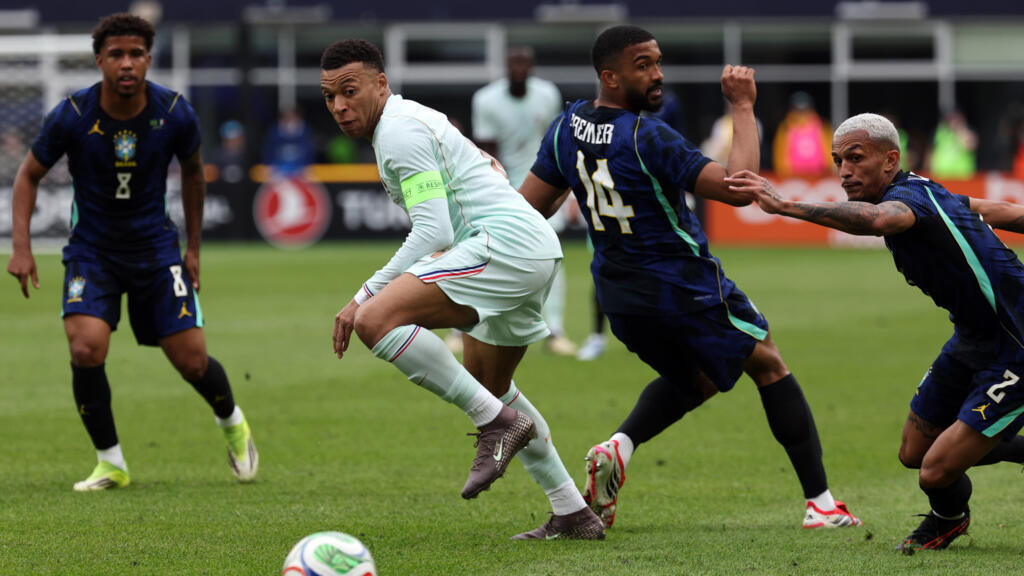
Morocco, who became the first African side to reach a World Cup semi-final four years ago, remain among the teams illustrating this trend. In their opening 1-1 draw against Brazil, they became the first team in World Cup history to at one stage field an entire starting eleven made up of foreign-born players.
Curacao’s first-ever World Cup campaign has also been shaped by migration and historical links with the Netherlands. Of their 26 players, 25 were born in the Netherlands, while the side is coached by former Netherlands manager Dick Advocaat. After Curacao held Ecuador to a 0-0 draw to claim their first point at a World Cup, forward Jurgen Locadia said:
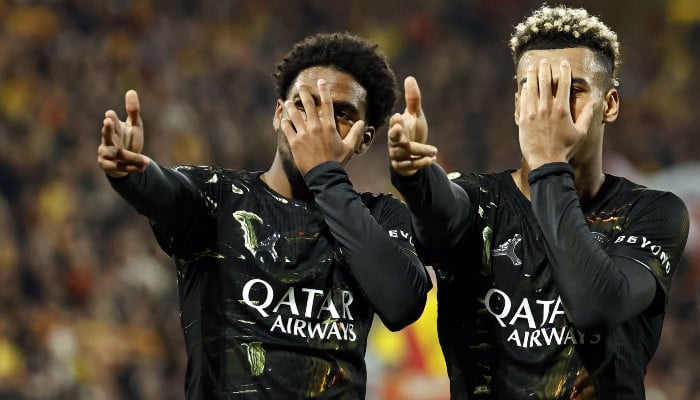
The Bacuna brothers, Leandro and Juninho, are among seven sets of brothers at the tournament. Four of those sibling pairings are representing different countries. Among them, Paris Saint-Germain forward Desire Doue is in France’s squad while his older brother Guela Doue is with Ivory Coast. John and Harry Souttar are representing Scotland and Australia respectively, while Nico Williams plays for Spain and his older brother Inaki for Ghana. Ghana’s squad also includes Derrick Luckassen, the half-brother of Dutch striker Brian Brobbey.
Cape Verde have emerged as one of the early surprises of the competition after drawing with both Spain and Uruguay in their opening two matches. Central defender Roberto ‘Pico’ Lopes, born in Dublin to an Irish mother and a Cape Verdean father, was brought into the national team setup in unusual fashion. Then-coach Rui Aguas initially contacted him through LinkedIn, but Lopes ignored the first message because it was written in Portuguese, a language he did not speak.
Migration stories amid wider political backdrop
Australia winger Nestory Irankunda is another player whose story reflects broader patterns of migration. He was born in a refugee camp in Tanzania to Burundian parents who had fled civil war, before the family moved to Perth when he was still a baby. He went on to score Australia’s first goal in a 2-0 victory over Turkiye.
Such stories stand out in a tournament that opened amid issues of exclusion. Somali referee Omar Artan was denied entry to the United States, while Haiti, Iran, Ivory Coast and Senegal are among the participating countries subject to US travel bans and visa restrictions.
At the same time, Fifa has adjusted its rules for players facing difficult national team choices. Under the current framework, players under 21 can switch international allegiance if they have three or fewer senior appearances and have not played in a major tournament.
That flexibility has also affected major football nations. England midfielder Declan Rice, who is due to win his 75th cap against Ghana on Tuesday, previously played three times for the Republic of Ireland. Germany’s Jamal Musiala had represented England at youth level before opting for Germany.
France winger Michael Olise, born in London to a British-Nigerian father and a Franco-Algerian mother, described the mixed heritage that shaped him in an interview with Bayern Munich’s members magazine.
France ultimately secured his international commitment, in another example of how identity, family background and football development pathways continue to shape the modern World Cup.
0 Comments
No comments yet. Be the first to join the discussion!