June 23, 2026
National Assembly passes Finance Bill 2026-27 after extended budget debate
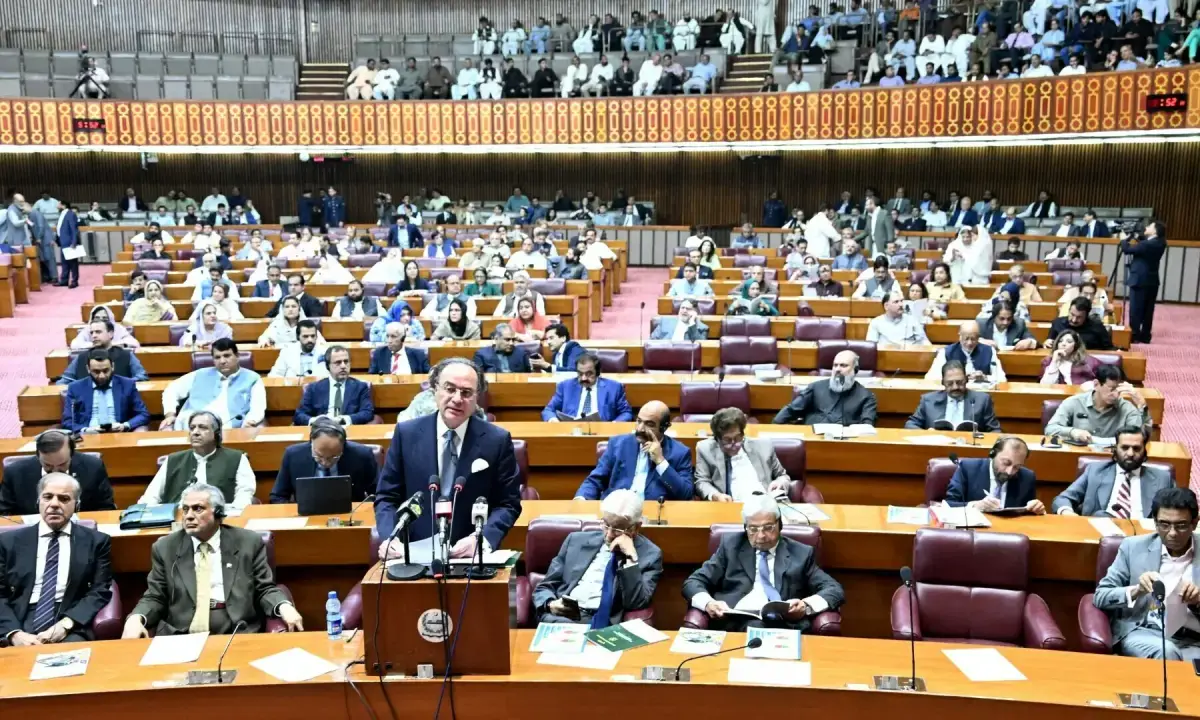
The National Assembly has approved the Finance Bill 2026-27, clearing the federal budget worth more than Rs18.7 trillion. The bill includes revised tax slabs, new digital and property tax measures, and stricter enforcement provisions.

June 23, 2026
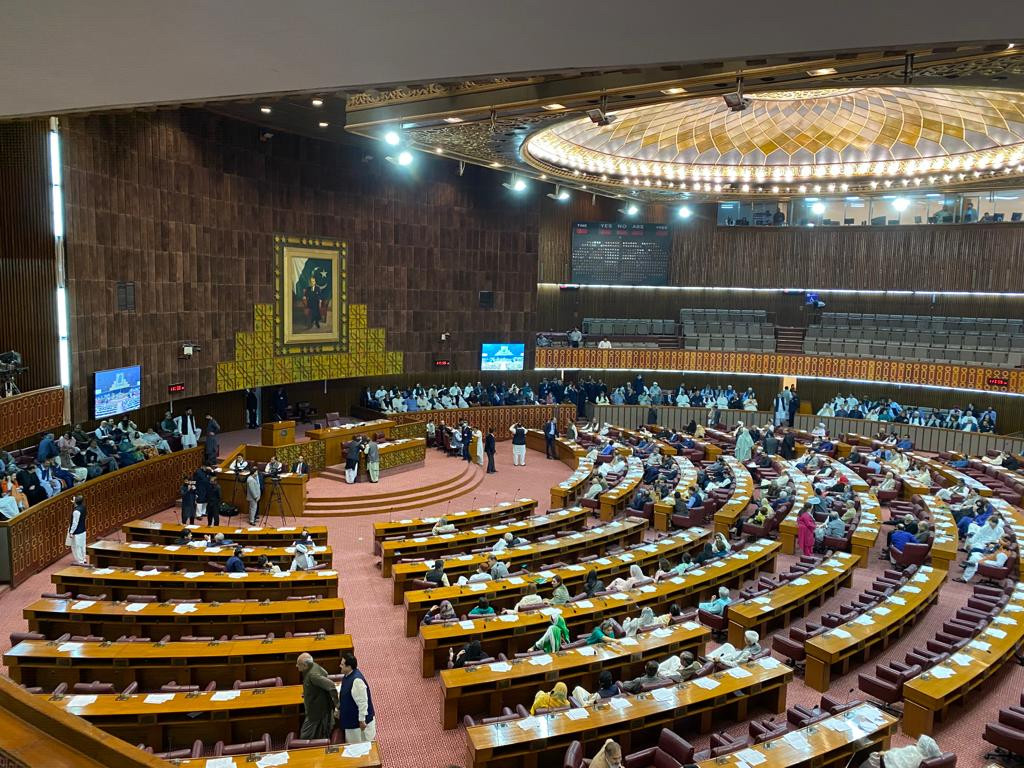
ISLAMABAD: The National Assembly on Tuesday approved the Finance Bill 2026-27 by majority vote, clearing the federal budget of more than Rs18.7 trillion after several days of debate and formalising the government’s financial plan for the next fiscal year.
According to the Finance Bill 2026-27, the package includes a series of tax and regulatory changes that the government said are intended to widen the tax net, improve compliance and restructure important sectors of the economy.
Changes in income tax and digital earnings
The bill introduces revised income tax slabs for salaried individuals. Under the new framework, people earning up to Rs600,000 a year will continue to be exempt from income tax, while higher income groups will face progressive taxation. The top rate has been set at 35 per cent for annual income above Rs7 million.
The legislation also brings in fresh provisions affecting digital income streams, including earnings generated through social media platforms. It makes electronic filing of income tax returns through the Federal Board of Revenue’s online system mandatory as part of wider digital tax monitoring measures.
Property, corporate and sector-specific measures
Under the approved bill, property taxation has been revised through advance taxes on both buyers and sellers, along with new withholding tax rules linked to digital earnings. Corporate taxation has also been amended, with changed rates for the banking, fertiliser and large corporate sectors depending on income thresholds.
The measure further alters import duties on vehicles. It provides lower overall tax burdens for some engine categories, while imposing higher duties on selected imported electric vehicles on the basis of value brackets.
In the agriculture and industrial sectors, income above specified limits will now be taxed at revised flat rates. The bill also grants exemptions to selected welfare and charitable institutions, including the Pakistan Red Crescent Society and other organisations named in the legislation.
Tougher enforcement provisions
The House also approved stricter enforcement provisions aimed at tax compliance. These include increased penalties for non-filers and for individuals who fail to comply with FBR notices. Under the new framework, first-time violations can attract fines of up to Rs1 million, while repeat offences can lead to penalties of up to Rs2 million.
The legislation also strengthens monitoring safeguards by introducing penalties, including imprisonment, for tampering with tax monitoring systems. The passage of the bill completes the National Assembly’s approval process for the new budgetary framework for 2026-27.
0 Comments
No comments yet. Be the first to join the discussion!