June 10, 2026
World Cup 2026 faces backlash over US visa denials, entry restrictions
The 2026 World Cup is facing criticism after a Somali referee and other participants and supporters from several countries reportedly encountered US visa denials and entry restrictions. Politicians, rights groups and football figures say the measures undermine the tournament's spirit.

June 10, 2026
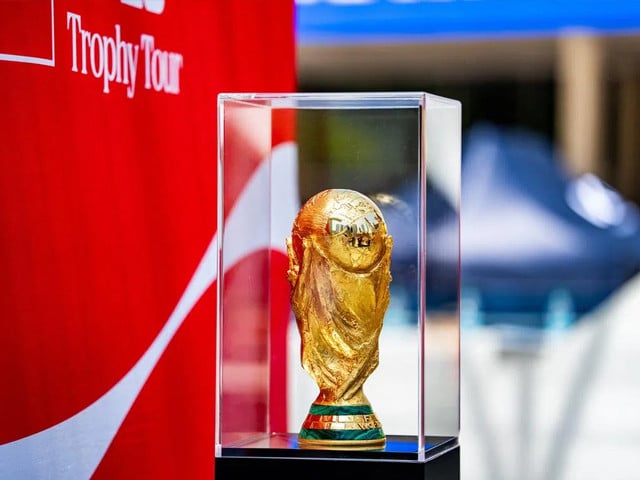
NEW YORK: FIFA's expanded 2026 World Cup has been overshadowed by a growing controversy over immigration restrictions and visa denials in the United States, with referees, players, journalists, team officials and supporters from several countries encountering obstacles that critics say undermine the spirit of football's biggest tournament.
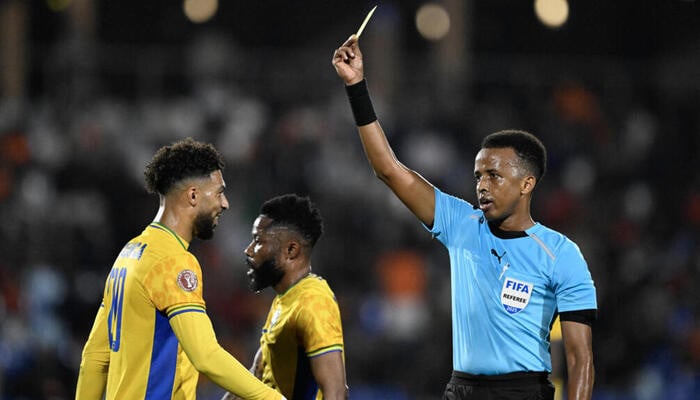
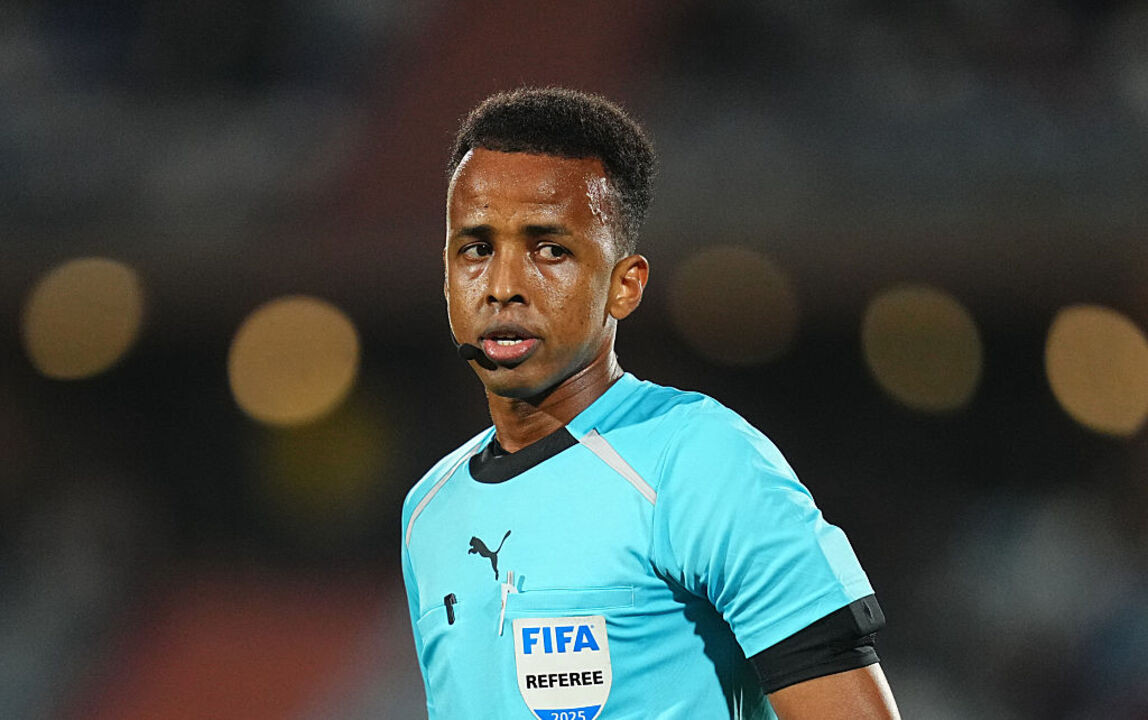
The controversy intensified after FIFA confirmed that Somali referee Omar Abdulkadir Artan, one of the 52 match officials selected for the World Cup, was denied entry to the United States and would be unable to officiate during the competition.
Artan, who was travelling from Istanbul to Miami for a FIFA seminar ahead of the tournament, had been set to become the first Somali referee to officiate at a World Cup. FIFA said that it was not involved in immigration decisions and stressed that "a host government ultimately determines who receives a visa."
"FIFA can confirm that match official Omar Abdulkadir Artan will be unable to train and officiate at the FIFA World Cup 2026 after he was denied entry into the United States," the game's governing body said in a statement.
The incident prompted widespread criticism from politicians, rights groups and public figures. New York Mayor Zohran Mamdani linked the controversy to broader immigration concerns, arguing that football's success depended heavily on immigrant communities.
"Soccer would not exist without immigrants. Immigrants play and coach the game, work in the stadiums, fill the stands, and make celebrations like the World Cup possible," he wrote on X, noting that six members of the US men's national team were immigrants.
Mamdani also criticised plans to increase immigration enforcement activities during the tournament period. "We will not allow ICE or anyone else to sow fear in our communities - especially at this moment," he said. "As the world comes to our city, we reject an attempt to divide us."
Former secretary of state Hillary Clinton also condemned the decision. "As a World Cup host, the U.S. shouldn't be flippantly barring officials from entering the country to do their jobs," Clinton, also the former first lady of the US wrote on X.
"It's terribly backward. It's also counterproductive. Global sports competitions should improve international exchange and relations, not the reverse."
Rights organisation Amnesty International USA said all participants should be welcomed rather than excluded through what it described as discriminatory visa policies. Former British Labour leader Jeremy Corbyn echoed the criticism. "The World Cup is meant to bring people together. This is racism, plain and simple. Shameful."
The controversy extends beyond match officials. Iranian media reported that at least 15 members of the national team's support staff were denied visas, while Iran's Football Federation accused US authorities of revoking the country's ticket allocation for group-stage matches.
Spanish-Moroccan sports journalist Leyla Hamed said the US had withdrawn an 8% ticket quota traditionally allocated to the Iranian federation for distribution among fans. Iran's football authorities described the decision as discriminatory and unprecedented.
Other teams have also encountered difficulties. Iraqi striker Aymen Hussein was reportedly detained for several hours upon arrival in Chicago before being allowed entry, while the Iraqi team's photographer was ultimately denied admission.
According to reports, accredited journalists from Iran and several African nations have faced visa denials or restrictive single-entry visas. According to Anadolu Agency, around 90 Moroccan supporters were also refused visas despite previous attendance at major international sporting events.
Additional incidents involve heightened security checks. Videos circulated on social media appeared to show extensive searches of players from Uzbekistan and Senegal upon arrival in the US. Critics argue that the tournament's promise of global unity is being overshadowed by border controls, diplomatic tensions and growing concerns over equal access for participants and supporters from around the world.
0 Comments
No comments yet. Be the first to join the discussion!