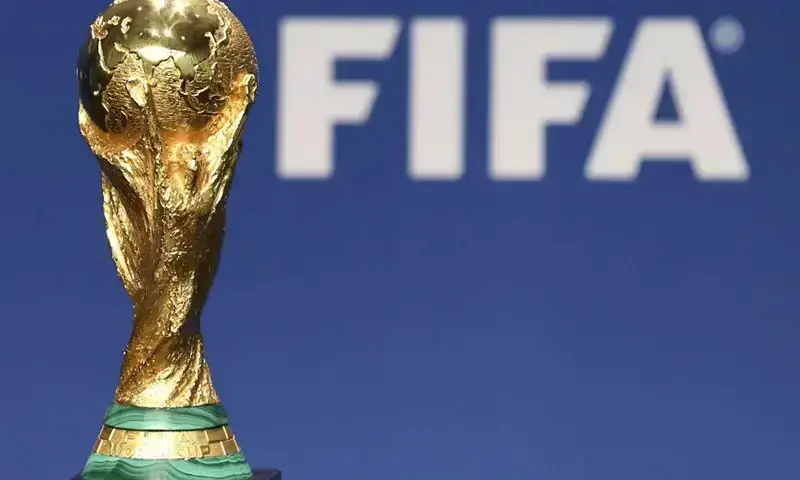
World Cup opens in North America amid ticket, political and logistics concerns
The 2026 FIFA World Cup begins on Thursday in Mexico City as the first 48-team tournament hosted by the United States, Canada and Mexico. The build-up has been marked by criticism over ticket prices, visa decisions and political tensions.

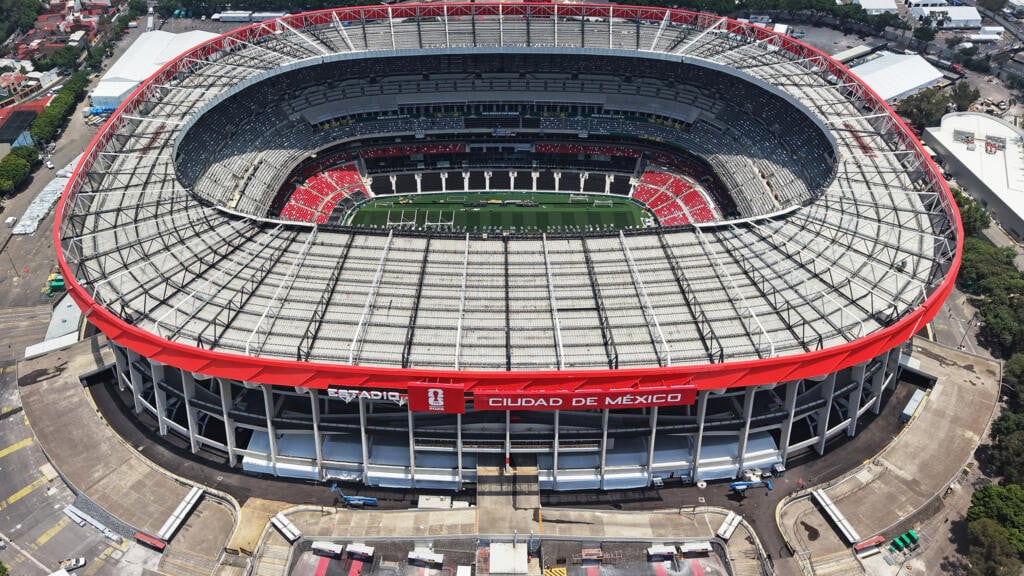
Mexico City: The 2026 FIFA World Cup is set to begin on Thursday, with FIFA presenting the tournament as a landmark edition even as the build-up has been overshadowed by criticism over ticket prices, concerns about the political climate in the United States and the impact of regional conflict.
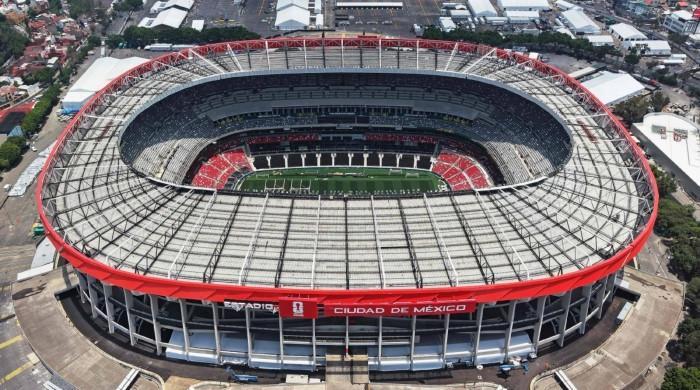
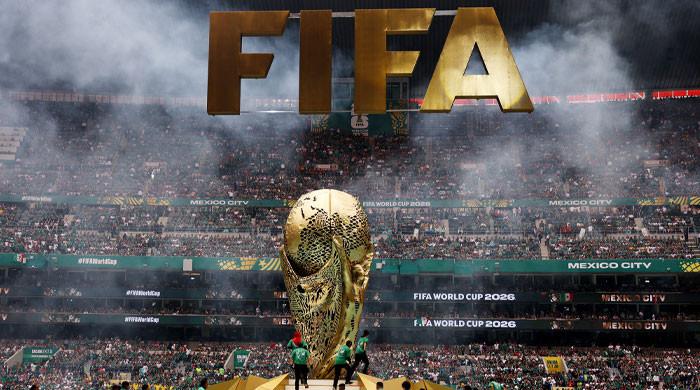
This will be the first World Cup jointly hosted by three countries — the United States, Canada and Mexico — and the first to feature 48 teams. The tournament, described as the biggest and most complex in the competition’s history, starts at the Estadio Azteca in Mexico City, where Mexico will face South Africa at 3:00 pm local time (1900 GMT). The final is scheduled for July 19 at the 82,500-capacity MetLife Stadium in New Jersey after a tournament lasting nearly six weeks.
Among the main sporting storylines highlighted ahead of kickoff are whether Lionel Messi, now 38, can guide Argentina to back-to-back World Cup titles, whether 41-year-old Cristiano Ronaldo can lead Portugal to its first World Cup crown, and whether England, with Harry Kane, can end a 60-year wait for a second major international title since its 1966 World Cup triumph. FIFA president Gianni Infantino has promoted the event in expansive terms, calling it "the greatest show that the planet has ever seen."
Ticket prices and access issues
A major point of controversy before the tournament has been the cost of attendance. The highest face-value ticket for the 2022 World Cup final was about $1,600, while the top face-value ticket sold by FIFA for the 2026 final is $32,970. Sharp price increases have been seen across the tournament’s 104 matches, with tickets for many fixtures still listed on secondary resale markets.
Even US President Donald Trump reacted critically when informed that tickets for the United States’ opening match against Paraguay in Los Angeles on Friday were priced at $1,000. Speaking to the New York Post, Trump said "I wouldn't pay it either, to be honest with you,"
The wider cost of traveling to the tournament has also drawn criticism. Human Rights Watch has said the US administration’s actions on immigration, demonstrations and press freedom could leave the World Cup marked by exclusion and fear.
Political tensions and Iran arrangements
Concerns over entry restrictions were heightened after Somali referee Omar Artan was removed from the tournament after being denied entry to the United States. Artan had been due to become the first official from Somalia to referee at a World Cup finals. FIFA said it could not alter the US decision and removed him from its list of 52 referees.
The conflict involving US-Israeli strikes against Iran in February has also remained in focus before the tournament. Iran are scheduled to play all three of their group-stage matches in the United States, beginning with a game against New Zealand on June 15. Trump had initially suggested Iran should pull out for their own "life and safety"
but later softened that stance.
Iran changed their base camp from Tucson, Arizona, to Tijuana in Mexico, where the team arrived early on Sunday. While Iranian players can travel to and from the United States, 15 members of the country’s administrative and management staff were denied visas by US authorities, a move Iranian officials condemned as "deliberate and discriminatory treatment."
Expanded format and rule changes
The expanded structure means 72 group-stage matches will be played to eliminate only 12 teams. A total of 32 sides will reach the knockout rounds, including the top two teams from each of the 12 groups and the eight best third-placed finishers.
Several operational and sporting changes are also being introduced. Every match will include cooling breaks in each half because of the high temperatures and humidity expected at a number of the 16 venues. Teams will also have to complete substitutions within 10 seconds in an effort to reduce time-wasting.
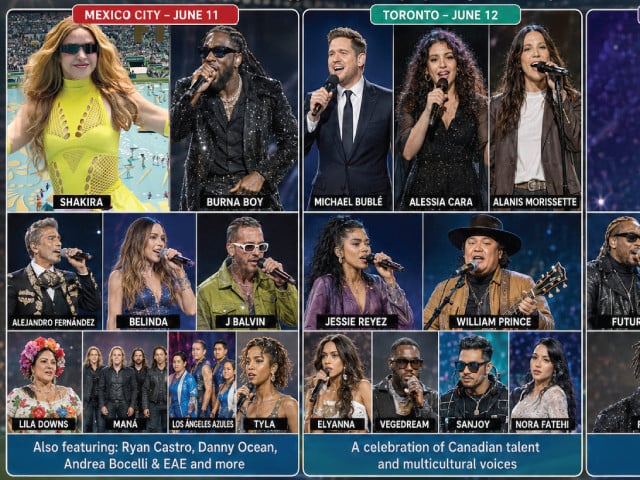
The tournament will also feature a stricter approach to racist abuse, with players facing the possibility of a red card if they cover their mouth with a hand, arm or shirt during a confrontation with an opponent. The final could also become one of the longest on record because halftime is due to be extended from the usual 15 minutes to around 25 minutes for a Super Bowl-style show featuring Madonna, Shakira and BTS.
Comments
No comments yet. Be the first to join the discussion!