Pakistan pushes US-Iran peace efforts as Trump sees chance for nuclear deal
Pakistan and Qatar step up mediation as Trump says there is a “good chance” of a US-Iran nuclear deal. PM Shehbaz and partners urge dialogue to prevent escalation.

-- Pakistan, Qatar intensify mediation efforts to revive US-Iran talks and avert fresh conflict
-- PM Shehbaz, Chinese envoy discuss Middle East crisis as Pakistan backs diplomatic path to regional stability
-- Renewed diplomatic momentum raises hopes for peace as Pakistan engages Gulf partners
-- Regional diplomacy gathers pace with Pakistan advocating dialogue over confrontation in US-Iran standoff
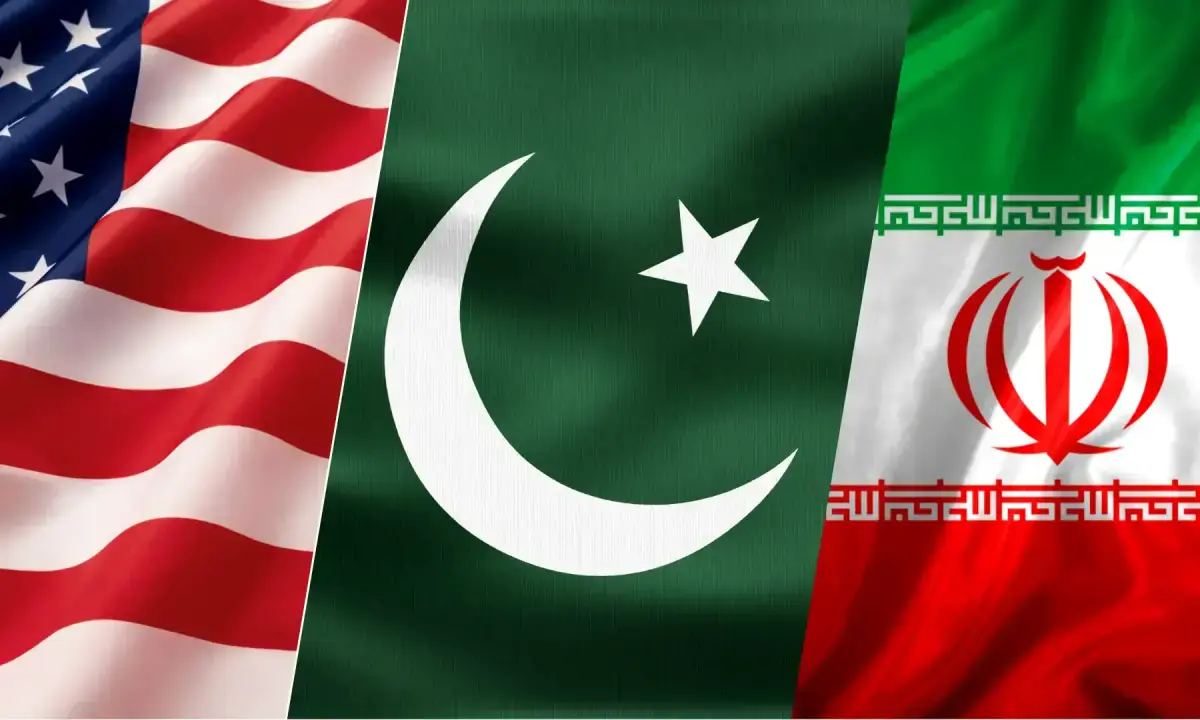
WASHINGTON/ISLAMABAD: A renewed diplomatic push to revive negotiations between the United States and Iran gathered momentum on Monday as US President Donald Trump expressed optimism about reaching a deal with Tehran, while Pakistan intensified consultations with key regional partners in support of efforts aimed at reducing tensions and restoring dialogue.
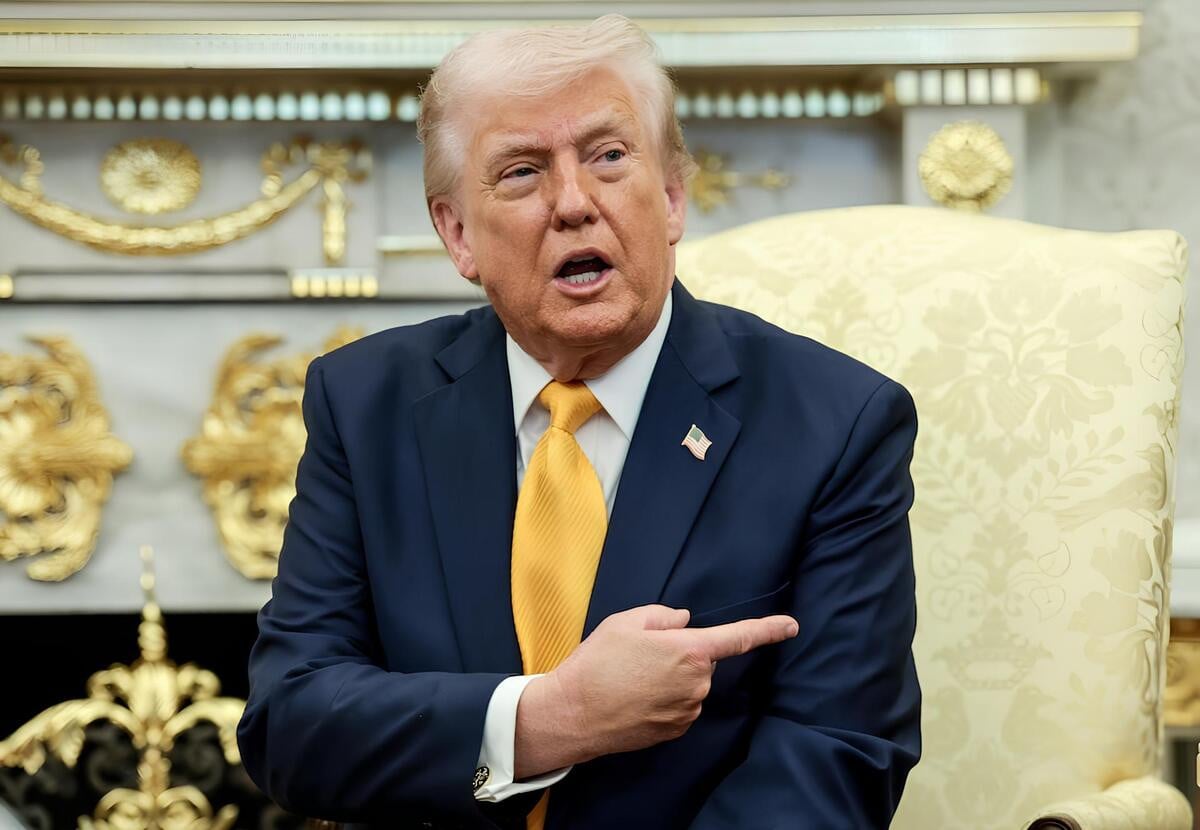
Speaking to reporters aboard Air Force One, President Trump said there was "a good chance" that Washington and Tehran could reach an agreement, although he cautioned that the United States would resume military operations if diplomacy failed.
"They want to meet, and we are meeting. We'll see what happens. There is a chance we can make a deal," Trump said, adding that the recent US military campaign had compelled Iran to return to the negotiating table.
"We're talking right now. We're having good talks. I think there's a good chance that something could happen, and if it does, good; if it doesn't, we go back to doing what we were doing two days ago," he said, while stressing that Washington had little patience for prolonged negotiations.
Trump's remarks came after the United States suspended its two-week air campaign against Iran, opening what diplomats see as a narrow but significant window for renewed diplomacy.
Despite reports of fresh drone attacks targeting Saudi Arabia and continued hostilities involving Iran-backed groups, diplomatic channels have remained active, with several regional countries working to prevent another military escalation.
Pakistan has emerged as one of the key countries supporting de-escalation efforts, engaging closely with Gulf states and other regional stakeholders to encourage both Washington and Tehran to resume meaningful negotiations.
Prime Minister Shehbaz Sharif reaffirmed Islamabad's commitment to regional peace during a meeting with Chinese Ambassador Jiang Zaidong at the Prime Minister House, where the evolving situation in the Middle East featured prominently in discussions.
The prime minister reiterated Pakistan's commitment to strengthening its All-Weather Strategic Cooperative Partnership with China and emphasized the importance of coordinated diplomatic efforts to preserve regional stability.
The meeting, attended by Deputy Prime Minister and Foreign Minister Senator Mohammad Ishaq Dar, Planning Minister Ahsan Iqbal, Adviser to the Prime Minister Dr Syed Tauqir Shah and Foreign Secretary Ambassador Amna Baloch, also reviewed developments in Afghanistan and South Asia alongside the Middle East crisis.
Chinese Ambassador Jiang reaffirmed Beijing's continued support for Pakistan's sovereignty and described Pakistan as China's "iron brother," while expressing China's readiness to further strengthen cooperation for regional peace and economic development.
Pakistan's diplomatic outreach also extended to Qatar, another country playing an active role in efforts to prevent further escalation between Washington and Tehran.
Interior Minister Mohsin Naqvi met Qatar's Minister of Interior and Commander of the Internal Security Force (Lekhwiya), Sheikh Khalifa bin Hamad, in Doha to review bilateral security cooperation and discuss regional developments.
According to officials familiar with the diplomatic initiative, Pakistan and Qatar have significantly intensified contacts with both the United States and Iran over the past several days, facilitating the exchange of messages between the two sides after each conveyed responses to a jointly proposed framework designed to halt months of hostilities.
The proposal, developed after consultations with regional partners, urges Washington and Tehran to return to their pre-July 9 military positions as an initial confidence-building measure before resuming comprehensive negotiations on outstanding disputes.
Diplomatic sources said the framework is intended to create political space for direct engagement while preventing further military confrontation that could threaten regional security and global energy markets.
Pakistan's efforts are also being reinforced through broader engagement with Gulf partners.
In this context, Kuwait's Foreign Minister Sheikh Jarrah Jaber Al-Ahmad Al-Sabah will undertake an official visit to Pakistan from July 28 to 29 at the invitation of Deputy Prime Minister Ishaq Dar.
The Foreign Office said the visit would include delegation-level talks covering bilateral cooperation as well as an exchange of views on regional and international developments, including the evolving security situation in the Gulf.
The visit comes as Gulf states continue to face heightened security concerns following recent exchanges between the United States and Iran, with several countries advocating renewed diplomacy to prevent the conflict from expanding.
With President Trump publicly acknowledging ongoing contacts with Tehran and regional powers, including Pakistan, Qatar and China, maintaining active diplomatic engagement, hopes have risen that the current pause in hostilities could evolve into a broader peace process aimed at reviving US-Iran negotiations and restoring long-term stability across the Middle East.
The writer is Head of News at Pakistan Today. He has a special focus on current affairs, regional and global connectivity, and counterterrorism. He tweets as @mian_abrar and also can be reached at [email protected]
View all articles →Comments
No comments yet. Be the first to join the discussion!