Pakistan intensifies efforts to keep US-Iran talks alive before Trump deadline
Pakistan has intensified diplomatic efforts to keep communication open between the US and Iran as a Trump-set deadline nears. China and Russia have also joined the latest round of contacts, while Tehran has outlined conditions for any deal.

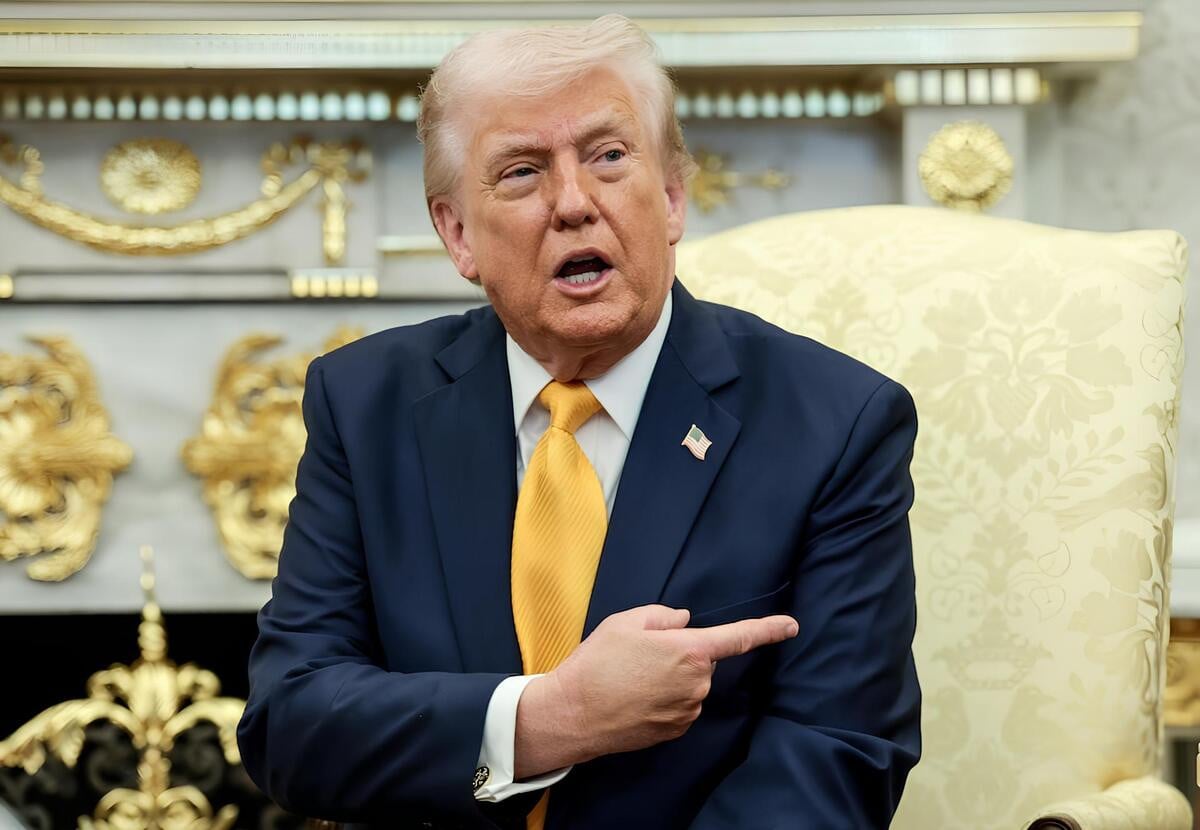
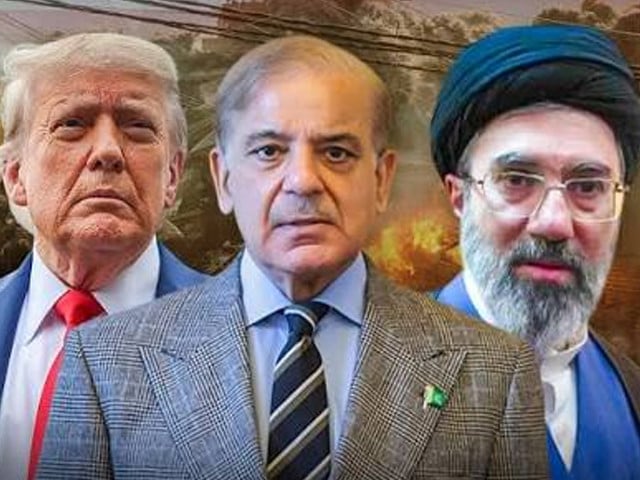
ISLAMABAD: Pakistan has stepped up diplomatic contacts in an effort to help secure a last-minute understanding between the United States and Iran as a deadline set by US President Donald Trump draws near.
The past 48 hours saw the most intensive diplomatic activity since the start of the hostilities, with Islamabad remaining engaged alongside other key players to try to avert further escalation. Although no breakthrough has been announced, the latest contacts have enabled proposals and counterproposals to move between Washington and Tehran through Pakistani intermediaries.
Officials familiar with the backchannel exchanges, however, said the latest round of communication also highlighted the wide gap that still separates the two sides, indicating that an immediate agreement may remain out of reach.
China and Russia join diplomatic contacts
The latest push has also brought China and Russia, both close partners of Iran, into the process. Their participation is being viewed as an effort to address Tehran’s longstanding lack of trust in Washington and to add weight to any possible framework.
Senior officials from the three countries remained in close contact over the previous two days. Pakistan’s military leadership had engaged with senior US officials, including Vice President JD Vance and the US Middle East envoy, as well as Iran’s foreign minister, in an attempt to keep the dialogue going.
At the same time, Russian Foreign Minister Sergey Lavrov spoke by telephone with his Iranian counterpart, while the Chinese and Russian foreign ministers also coordinated their positions as the situation continued to evolve.
Foreign Office avoids commenting on reported proposals
Islamabad has not issued a detailed official account of the contacts. The Foreign Office has so far confined itself to a general statement saying diplomatic efforts are continuing, without discussing specifics.
Foreign Office spokesperson Tahir Andrabi said, There have been several reports of a 45-day ceasefire offer, or a 15-point exchange. We do not comment on these individual, specific incidents.
His remarks came after an international media report said a framework intended to end the hostilities had been shared with both Washington and Tehran. The proposals were passed to both sides overnight through Pakistani channels.
A separate report said discussions were taking place on a possible 45-day ceasefire as part of a phased formula that could eventually lead to a permanent end to the fighting. Officials, however, cautioned that such proposals remain at an early stage and have not received formal approval.
Iran outlines conditions
Iranian officials said they had sent their response to recent proposals through intermediary channels and had laid out a set of conditions. Iranian Foreign Ministry spokesperson Esmaeil Baghaei said, Negotiations are incompatible with ultimatums and threats to commit war crimes, and added that earlier proposals, including a reported 15-point framework, had been rejected for being excessive.
Tehran’s response includes demands such as an end to hostilities across the region, guarantees for safe navigation through the Strait of Hormuz, reconstruction assistance and the lifting of sanctions.
Iran has also stressed that any arrangement must bring a permanent end to the conflict rather than a temporary truce, reflecting its scepticism toward short-term formulas.
Pakistan’s role and regional concerns
The renewed diplomatic activity comes as the conflict raises concerns about possible disruption to shipping through the Strait of Hormuz, a key route for global energy supplies. The hostilities have already added volatility to international oil markets, with traders closely watching developments that could affect crude flows through the waterway.
Pakistan has positioned itself as a facilitator in the crisis, drawing on its longstanding ties with Washington and its working relationship with Tehran. Officials said Islamabad’s role has been to keep communication channels open and ensure that both sides remain engaged, even if indirectly.
In a significant development, Iranian Foreign Minister Abbas Araghchi recently said Tehran had never rejected the option of talks in Islamabad, signalling openness to Pakistan’s offer to host negotiations.
Despite the intensified diplomacy, uncertainty remains over whether the latest exchanges can produce enough momentum to prevent a collapse of the process before the deadline.
Comments
No comments yet. Be the first to join the discussion!