Pakistan steps up diplomacy to preserve fragile Iran-US ceasefire
Pakistan has increased diplomatic contacts with regional and international partners as fresh Iran-US hostilities threaten a fragile ceasefire. Ishaq Dar spoke with counterparts from Saudi Arabia, Bahrain, Iran, the UK and the EU to support the Islamabad MoU.

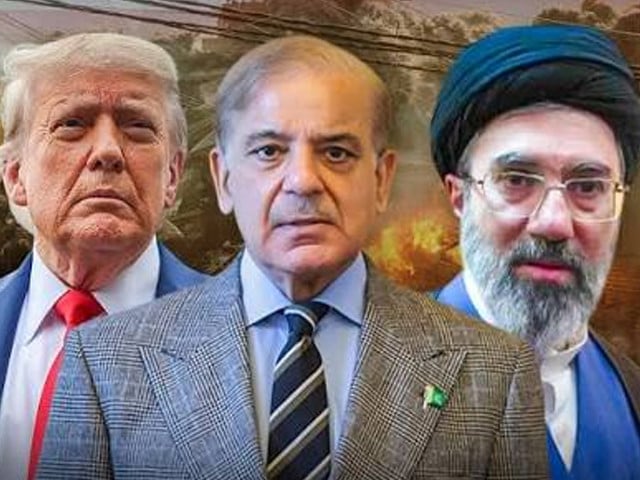
ISLAMABAD: Pakistan intensified diplomatic outreach on Sunday as renewed exchanges between Iran and the United States raised the risk of undermining a fragile ceasefire and complicating implementation of the Islamabad Memorandum of Understanding signed on June 18.
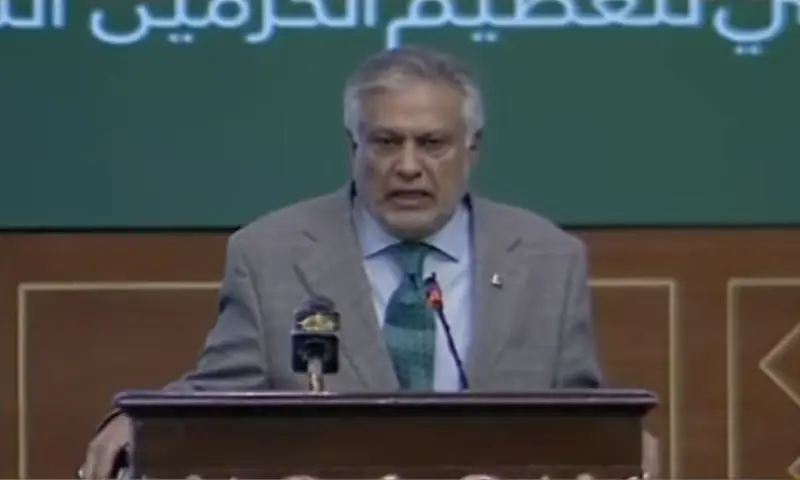
Deputy Prime Minister and Foreign Minister Ishaq Dar held a series of telephone conversations over the previous 48 hours with the foreign ministers of Saudi Arabia, Bahrain and Iran. He also separately spoke with British Foreign Secretary Yvette Cooper and European Union High Representative for Foreign Affairs and Security Policy Kaja Kallas.
The diplomatic activity came after fresh US-Iran military exchanges cast doubt over the understanding reached under the Islamabad MoU, which committed both sides to ending hostilities on all fronts. The latest escalation followed US allegations that Iran was behind attacks on commercial shipping in the Strait of Hormuz. Washington then carried out strikes on Iranian military targets, after which Tehran responded with missile and drone attacks on US facilities in Bahrain and Kuwait.
Diplomatic sources said Pakistan was maintaining close contact with all relevant parties in an effort to stop the situation from widening into a broader regional conflict. They said Islamabad was particularly concerned that the latest military flare-up could disrupt efforts to turn the ceasefire into a wider political settlement.
Contacts with regional and international partners
During his conversation with Saudi Foreign Minister Prince Faisal bin Farhan Al Saud, Dar conveyed Pakistan's condolences over a helicopter crash in Saudi Arabia that killed 14 people. He expressed sympathies on behalf of Prime Minister Shehbaz Sharif, Chief of Army Staff Field Marshal Syed Asim Munir and the people of Pakistan. Prince Faisal thanked Pakistan for a brotherly gesture.
The two also discussed the evolving regional situation and voiced concern over the latest escalation. Dar reiterated Pakistan's commitment to continue working for peace under the Islamabad MoU, while Prince Faisal conveyed his intention to visit Pakistan at the earliest mutually convenient date.
In his call with Kallas, Dar briefed the EU foreign policy chief on Pakistan's continuing diplomatic efforts to develop a broader framework for peace and stability in the Middle East. Kallas appreciated Pakistan's role in helping facilitate the signing of the Islamabad MoU, expressed serious concern over recent ceasefire violations and stressed the need to keep communication channels open. Both sides agreed to remain in close contact.
Bahraini Foreign Minister Dr Abdullatif bin Rashid Al Zayani congratulated Pakistan on the signing of the Islamabad MoU and praised Islamabad's role in facilitating the understanding between Washington and Tehran. He expressed hope that the agreement would help bring lasting peace and stability to the region and said he would visit Pakistan soon to personally thank the Pakistani leadership for its efforts.
Dar also spoke with Iranian Foreign Minister Abbas Araghchi and reaffirmed Pakistan's commitment to playing a constructive role in pursuing lasting peace and stability in the region and beyond. Araghchi appreciated Pakistan's continued support for the peace process and thanked Islamabad for facilitating the safe repatriation of Iranian crew members and fishermen.
Separately, British Foreign Secretary Yvette Cooper reiterated London's appreciation for Pakistan's sustained efforts for peace and regional stability that led to the signing of the Islamabad MoU.
Concerns over wider fallout
Diplomatic sources said significant differences remain between Washington and Tehran on several contentious issues, including the future security architecture of the Strait of Hormuz, sanctions relief and differing interpretations of key provisions of the MoU.
The renewed tensions have also raised concern in Islamabad over possible fallout for global energy markets and maritime trade routes, with the Strait of Hormuz remaining one of the world's most important oil transit chokepoints. Pakistani officials said Islamabad would continue engaging regional and international stakeholders in an effort to preserve the ceasefire and prevent the latest hostilities from expanding into a wider regional confrontation.
Comments
No comments yet. Be the first to join the discussion!