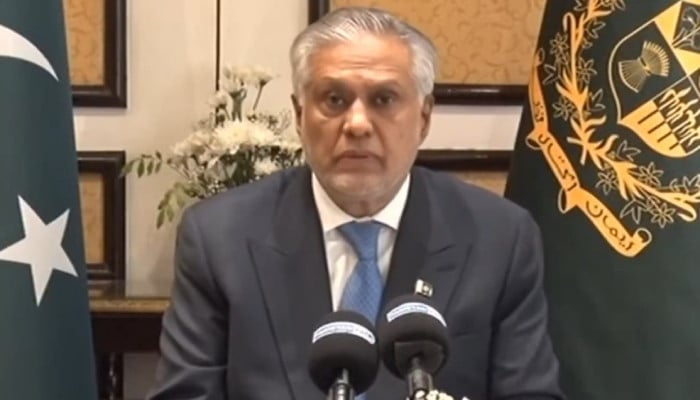
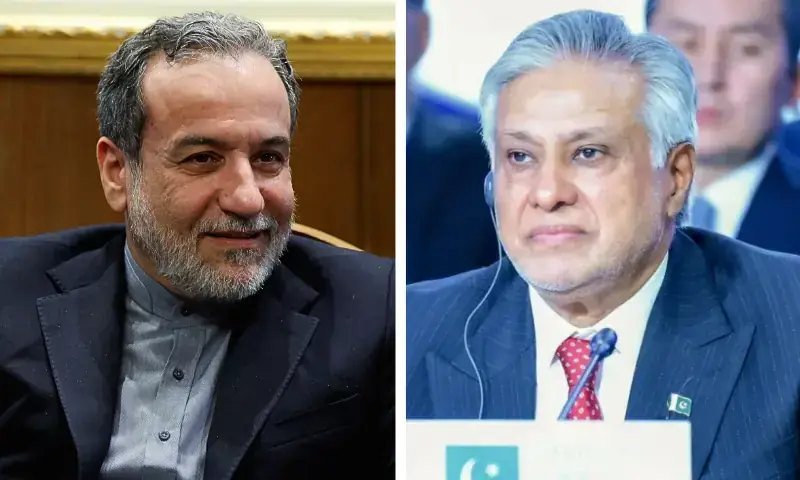
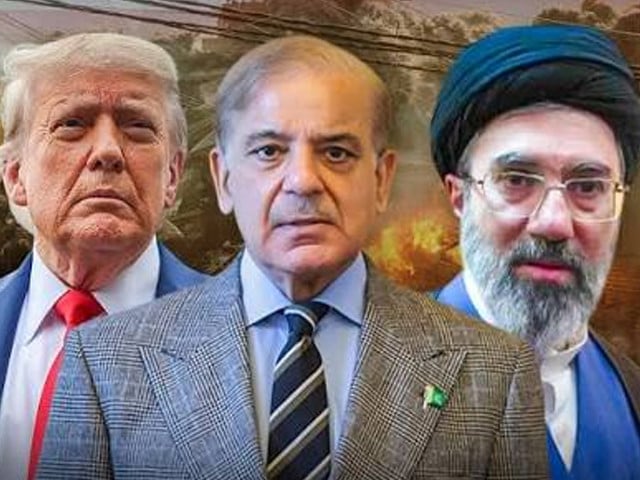
Dar says Pakistan now seeks a permanent US-Iran ceasefire
Ishaq Dar says Pakistan is now working to make the US-Iran ceasefire permanent after helping bring the two sides into direct talks. He says the truce has stopped heavy daily casualties and should lead to a lasting end to the war.

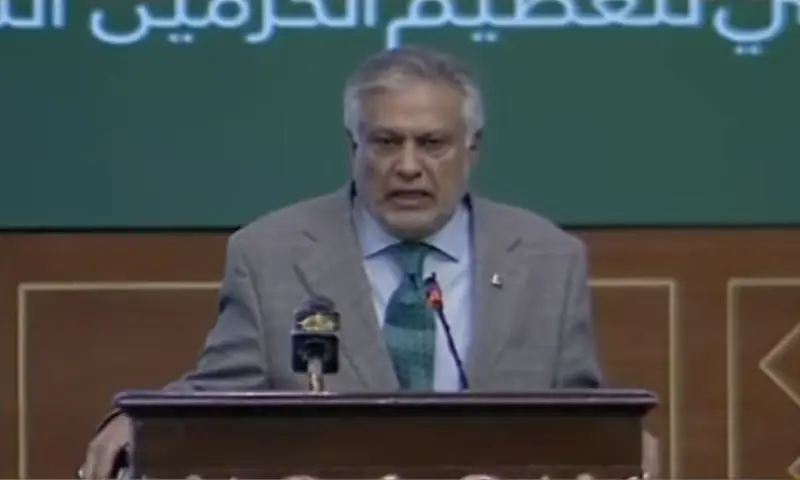
ISLAMABAD: Deputy Prime Minister and Foreign Minister Ishaq Dar said on Wednesday that Pakistan’s current diplomatic effort is focused on turning the ceasefire between the United States and Iran into a lasting arrangement.
Speaking at the second session of the Ulema Council Conference in Islamabad, Dar said Pakistan had worked to help secure direct negotiations and a ceasefire between the two sides. Referring to the truce, he said, "first it happened, then it was extended, then extended a second time, then a third time".
He said the continuation of the ceasefire had helped halt a heavy daily loss of life.
At least the deaths of several hundred people a day — with the toll going into the thousands — has stopped.
Dar asked the council to pray for Pakistan’s diplomatic efforts, saying the next objective was to convert the current pause in fighting into what he described as a permanent end to the war.
The foreign minister also urged Muslim countries to close ranks if differences had emerged among them, saying their collective efforts would be stronger if they acted together.
Pakistan’s mediation role
Dar said Pakistan had played an active role from February 28 onward in responding to the conflict. He said Islamabad had helped bring Washington and Tehran into direct talks for the first time in 47 years.
After 47 years, we brought the US and Iran to sit down at the same table.he said, contrasting the development with earlier indirect contacts that had been facilitated by Oman.
He also referred to Pakistan’s engagement with Iran over strikes on US bases in other Middle Eastern countries, saying Islamabad had sought to help prevent wider hostilities within the region and the Muslim world.
Conflict timeline and ceasefire extensions
US and Israeli forces launched the war against Iran on February 28. Iran subsequently shut the Strait of Hormuz, a key route for oil and gas exports, while US forces later imposed a blockade on Iranian ports.
The Islamabad Talks marked the highest-level engagement between the two sides since 1979. While those talks ended without an agreement, they also did not collapse.
As the Pakistan-brokered two-week ceasefire agreed on April 8 approached its original deadline, US President Donald Trump said on social media that he had decided to extend it indefinitely
upon the request of [Chief of Defence Forces] Field Marshal Asim Munir, and Prime Minister Shehbaz Sharif
Attempts to arrange further face-to-face negotiations have since not succeeded, with Trump saying the two sides could speak by phone if needed.
Despite the ceasefire extension, the Strait of Hormuz remains closed and Iranian ports are still under blockade.
Comments
No comments yet. Be the first to join the discussion!